by Chris Walker | Sep 25, 2026 | Article, elections, midterms, Politics and Movements: US, Reprint, Texas, Voting Rights
This article was originally published by Truthout on Sept. 25, 2026. It is shared here under a Creative Commons (CC BY-NC-ND 4.0) license.
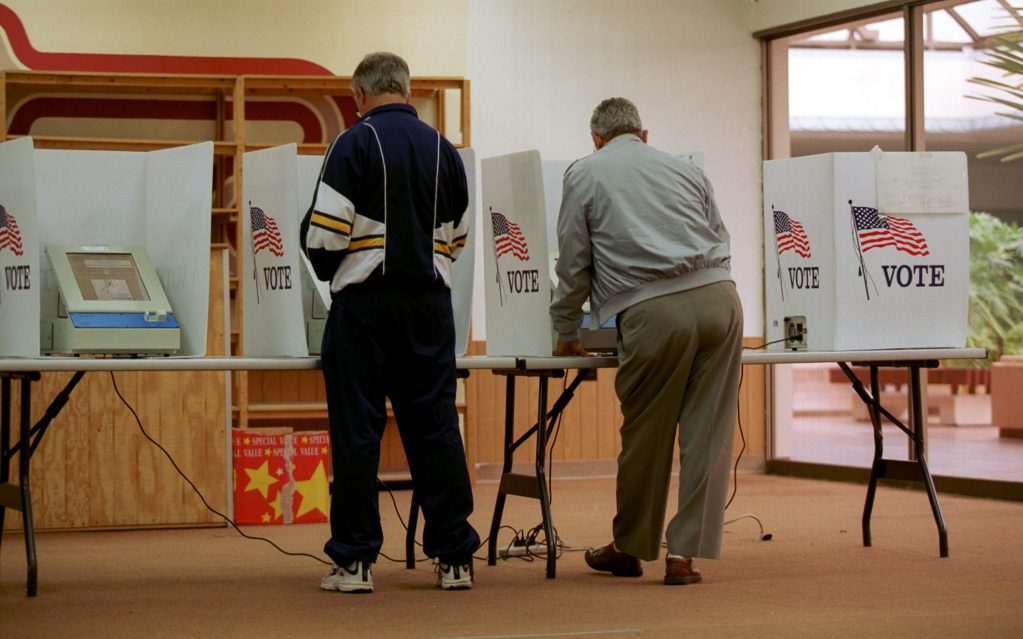
A massive backlog of voter registration applications in Texas could affect the outcome of local and state elections, including a contentious election involving a U.S. Senate seat.
Public officials in the Republican-controlled state have not yet acknowledged what the error actually is. It’s also possible that the error could have affected elections from before the primary elections in March 2026, officials have acknowledged.
“Texas county voter registrars across the state have received a flood of new voter registrations and updates to voter registration records submitted through the Texas Department of Public Safety,” said Chris McGinn, executive director of the Texas Association of County Election Officials. “Some of these submissions date as far back as October 2025.”
It’s unclear how many voters could be affected by the error. McGinn acknowledged that “counties have received anywhere from several hundred to tens of thousands of records to process.” In Bexar County alone, around 45,000 registrations that have been submitted have not yet been processed.
All 254 counties in the state appear to be affected. The Texas Secretary of State’s office alerted all counties to the issue in an email last week, writing:
Counties have alerted us to the fact that some older [Department of Public Safety] registrations are now appearing on their dashboard. We are actively investigating this issue to determine the source of these historical records.
The situation is dire, as the registration deadline for Texan voters for the upcoming general election is October 5. County officials have until October 19 to process registrations, which is
by Maximillian Alvarez | Sep 23, 2026 | AI, baltimore, Economy, Politics and Movements: US, video
Editor’s Note: Council Bill 26-0174 (data centers) will get another public hearing in front of the Baltimore City Council’s Land Use & Transportation Committee on the 4th floor of City Hall on the morning of September 24.
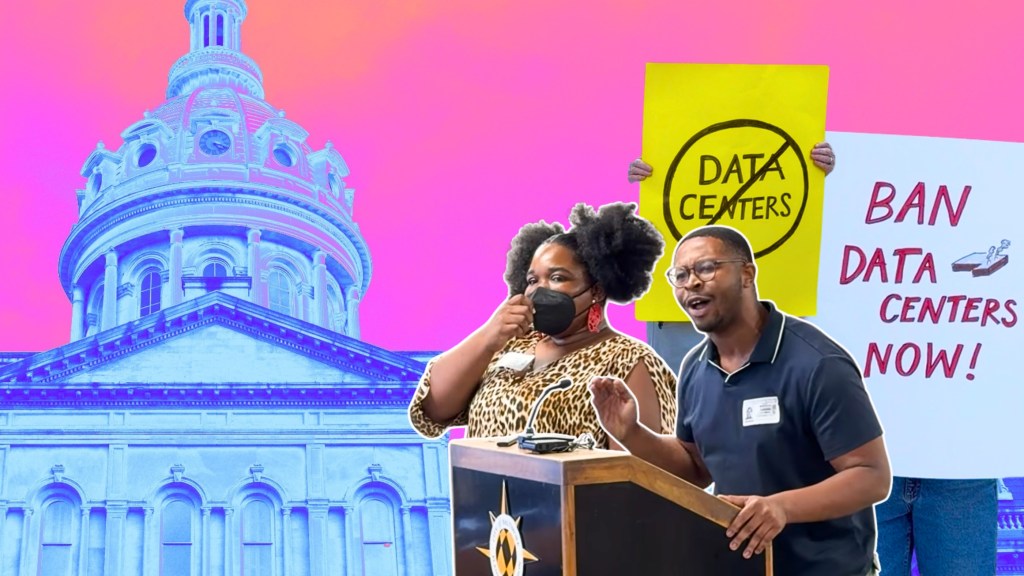
Baltimore, Maryland, currently has a moratorium on new data center development, but a proposed City Council bill has residents nervous that the door is creaking open for data centers to come into the city—and that City Council views this as “inevitable.”
Council Bill 26-0174, sponsored by City Councilmember Phylicia Porter, would require new data center projects in Baltimore to go through a conditional use approval process that includes a health equity assessment. Residents opposed to the bill say that while the bill may be well intentioned, they want a full data center ban, not stricter guidelines for data centers operating in Baltimore.
In this on-the-ground report, TRNN takes you inside the August 27 Baltimore City Planning Commission public hearing on Council Bill 26-0174:
TRNN also published a full, unedited recording of the August 27 Baltimore City Planning Commission public hearing on Council Bill 26-0174, which is free and available to the public on our YouTube channel:
Credits:
Videography: Maximillian Alvarez
Post-Production: Dave Hebden, Cameron Granadino
Transcript
The following is a rushed transcript and may contain errors. It will be updated.
Speaker 1:
We all are well aware that we’re not dealing with good faith actors when it comes to the people who want to build data centers.
Speaker 2:
I currently work at a data center. That doesn’t mean that I approve of data centers. Every
Speaker 3:
Every time it storms, it seems that a bunch of lights go down in the city. I’m confused why we’re
by Maximillian Alvarez | Sep 23, 2026 | Economy and Inequality, EPA, Podcast, Politics and Movements: US, sacrifice zones, Working People
https://www.spreaker.com/show/2952221/episodes/feed
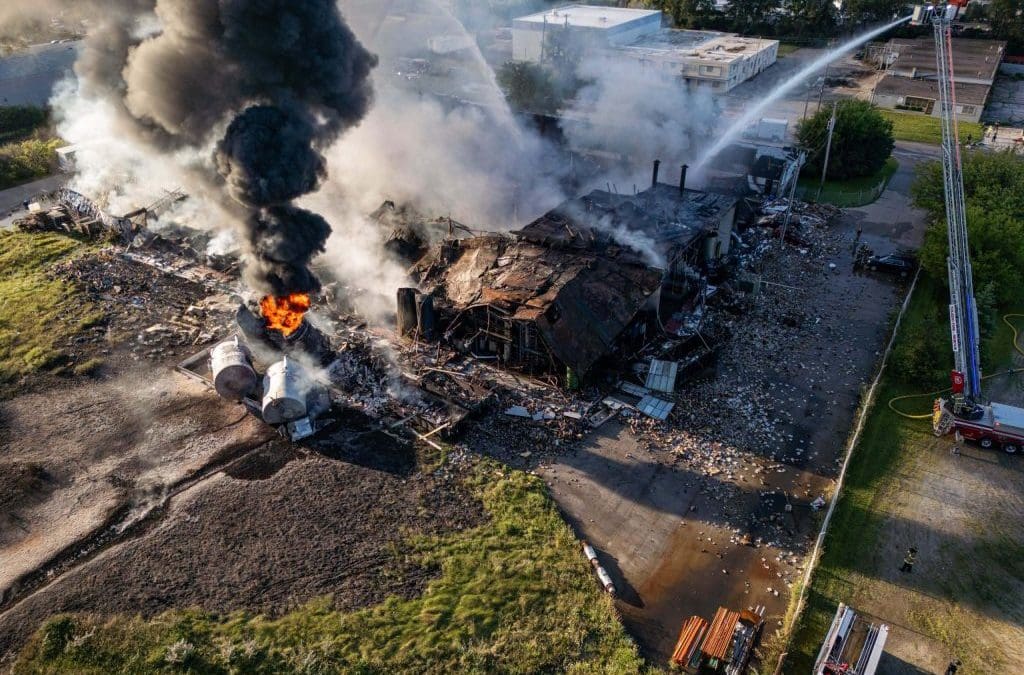
On the morning of August 18, residents living near the Brent Industries facility in Toledo, Ohio, awoke to a series of massive explosions and a towering chemical fire in their backyards. Two Brent Industry workers who were on shift at the time of the explosion were killed. Members of the surrounding community say they are experiencing symptoms of chemical exposure, and that they are not getting the answers they need from Brent Industries or the Environmental Protection Agency.
In this episode of Working People, we speak with a panel of Toledo residents about the industrial disaster at Brent Industries and the harrowing aftermath. Panelists include:Toledo Councilwoman Dr Brittany Jones; Mike Balonek, Toledo-based filmmaker and sacrifice zone advocate; Sarah Locker and Kris Ramsdell, who both live right next to the Brent Industries facility where the deadly explosion occurred.
Editor’s note: According to WTVG Toledo, “The coroner’s office identified those who died in the [Brent Industries] fire as Heladio G. Perez, 46, and Mary Allen, 64. An autopsy revealed they both died as a result of blunt force trauma.”
Additional links/info:
Toledo – Lucas County Health Department: Smoke Event Exposure – Public Health Information and Guidance
Dave Collins & John Seewer, Associated Press, “Explosions and fire tear through Ohio industrial building, killing 2 workers”
Kevon DuPree, WTVG Toledo, “Records show history of fires, violations at Brent Industries facility”
Lily Lowndes, Alexis Means, & Brianna Weaver, WTVG Toledo, “Two dead after explosions rock Toledo industrial facility”
Mike Balonek website, Facebook page, Instagram, and production company website
Featured Music:
Jules Taylor, Working People Theme Song
Credits:
Audio Post-Production: Jules Taylor
Transcript
The following is a rushed transcript and may contain errors. It will be updated.
News Clip 1:
A massive
by Brasil de Fato | Sep 23, 2026 | Article, brazil, elections, Latin America, Politics and Movements: International, Politics and Movements: US, Reprint, Trump
by Mansa Musa | Sep 22, 2026 | elections, midterms, Politics and Movements: US, Rattling the Bars, video
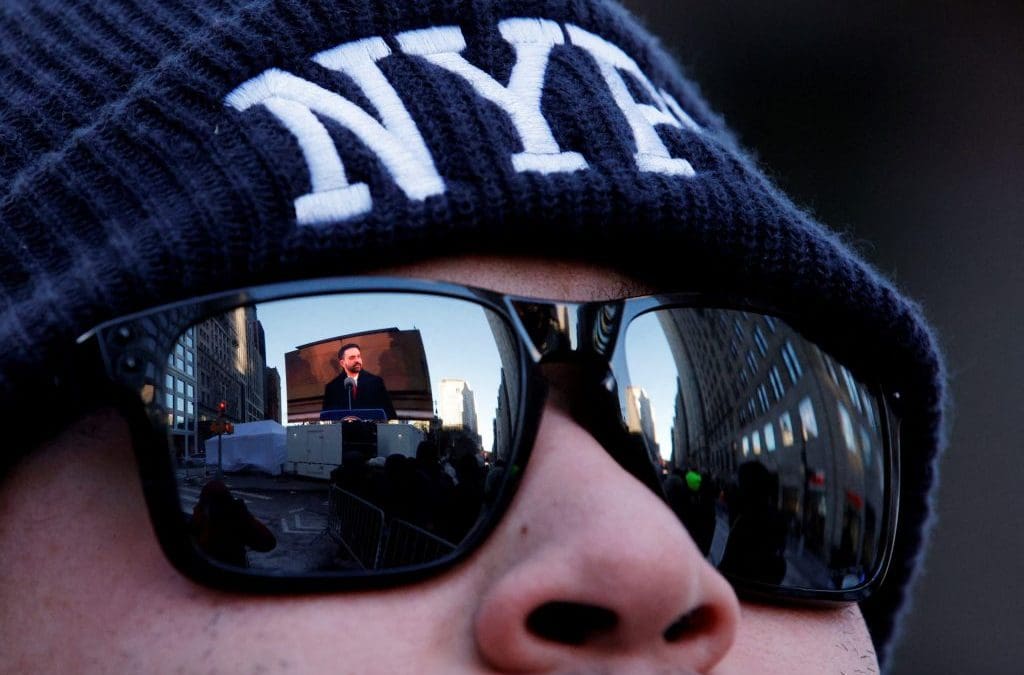
What will a DSA-led state look like — will it back defund and community control of police, or bow to the powers that block affordability? Lawrence Grandpre, political commentator for Leaders of a Beautiful Struggle, explores this question in his recent Baltimore Times article, “The Dangers of ‘Law and Order’ Leftism: Toward a Black Power Public Safety,” asking whether DSA will embrace the outmoded Law and Order politics that fueled America’s prison boom. As officials like AOC and Mamdani backtrack on defunding police — one of the biggest carceral drains on housing, healthcare, and education funding — Grandpre sits down with former political prisoner and Rattling the Bars host Mansa Musa to unpack these contradictions ahead of the midterms, where Democrats hope to retake the House and Senate. Tune in for an unflinching look at the Left’s relationship to the state and to law and order.
Related Links:
The Dangers of “Law and Order” Leftism- Toward a Black Power Public Safety
Leaders of a Beautiful Struggle Facebook, X, Instagram, Bluesky, LinkedIn, Youtube
Credits:
Production/Post-production: Cameron Granadino
Transcript
The following is a rushed transcript and may contain errors. It will be updated.
Mansa Musa:
Welcome to Rattling the Bars. I’m your host Mansa Musa. Today I’m joined by Lance Grandpre, political commentator with Leaders of a Beautiful Struggle, to discuss his recent article for Baltimore Times, “The Dangers of ‘Law and Order’ Leftism—Toward a Black Power Public Safety.” Thank you for joining me, Lance.
Lawrence Grandpre:
Thank you for having me.
Mansa Musa:
Alright, so let’s start like this here. At one point we had in 2020 where you had a push for the abolishment of prisons and to dismantle the police system as
by Sharon Zhang | Sep 22, 2026 | Article, Economy, Media Criticism, Politics and Movements: US, Reprint, The Cultural Front
This article was originally published by Truthout on Sept. 21, 2026. It is shared here under a Creative Commons (CC BY-NC-ND 4.0) license.
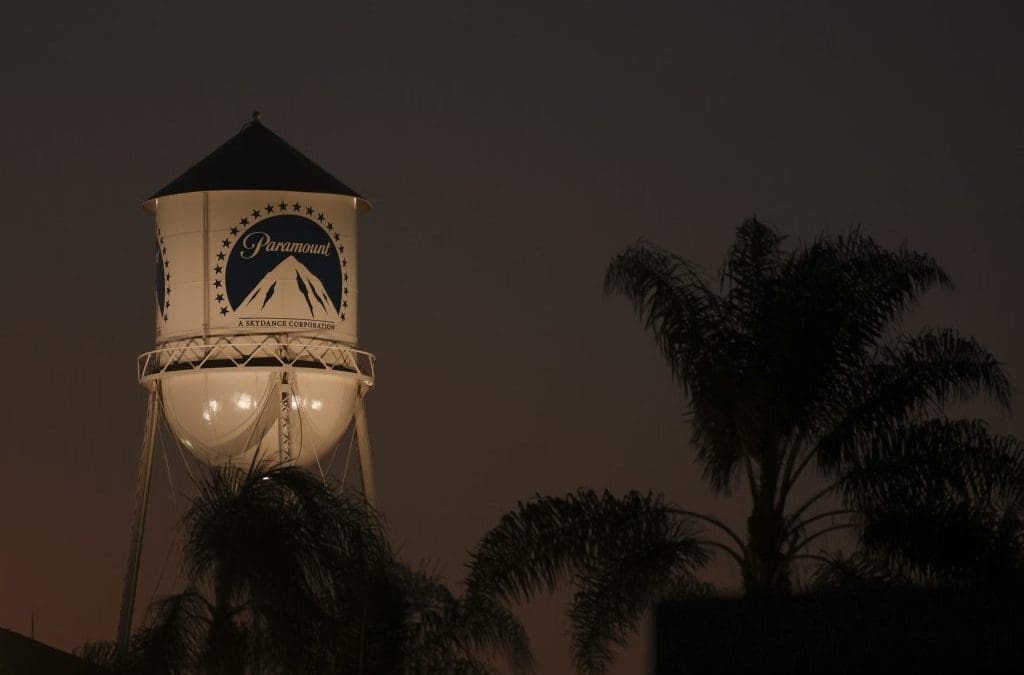
A coalition of Democratic states and Paramount reached a settlement in a lawsuit against its proposed $111 billion merger with Warner Bros. Discovery on Monday, paving the way for one of the largest media mergers in history — and a massive consolidation of power over a huge swath of the entertainment and news industries under the conservative billionaire Ellison family.
The antitrust lawsuit was the last major obstacle for the deal, which has already been blessed by the Trump administration. Attorneys general from 12 states had sued to block the merger, which leading California Attorney General Rob Bonta had called “unlawful,” amid a flurry of antitrust concerns from prominent Hollywood figures and press freedom groups. The Writers Guild of America’s (WGA) lawsuit against the merger was also settled on Monday, with the union saying that its members could not afford to continue the legal battle on their own.
The merger will grant widespread power to a company that would effectively control CNN; CBS News; and, in all, roughly 30 percent of wide-release theatrical film distribution and basic cable channel licensing. It amounts to roughly 20 percent of Americans’ television watching time — all conglomerated under the leadership of Paramount Skydance CEO David Ellison. David Ellison is a major ally to Trump and son of Oracle CEO Larry Ellison, who has personally donated millions to Israel’s military; Paramount had once dubiously suggested that opposition to the merger was a result of antisemitism.
David Ellison, who thanked California Gov. Gavin Newsom (D) in his statement celebrating the deal, has said that the merger is expected to go through in two weeks. Pro-Israel David Zaslav, the president of Warner Brothers