by Brian Bienkowski | Sep 25, 2026 | Agriculture, atrazine, Cancer, carcinogen, Carcinogens, Drinking Water, EPA, herbicide, hormone disruption, News, pesticide, Pesticides, Pollution, Public Health, Rivers, streams, Trump Administration, Water, Water Pollution, waterways, Wildlife
A cancer-linked pesticide banned in more than 60 countries around the world contaminates an estimated 25% of river and stream miles in the lower 48 US states, including many waterways used for drinking water, according to a new analysis. The analysis from the Center for Biological Diversity builds on evidence that atrazine — which is commonly used to grow corn, soybeans…
Source

by Maximillian Alvarez | Sep 23, 2026 | Economy and Inequality, EPA, Podcast, Politics and Movements: US, sacrifice zones, Working People
https://www.spreaker.com/show/2952221/episodes/feed
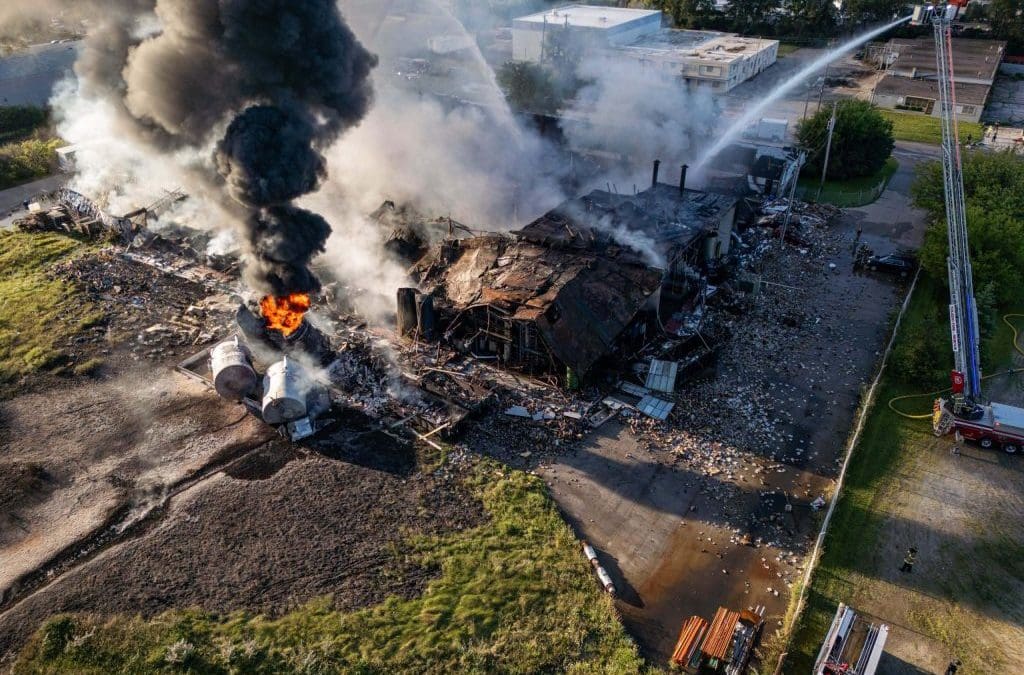
On the morning of August 18, residents living near the Brent Industries facility in Toledo, Ohio, awoke to a series of massive explosions and a towering chemical fire in their backyards. Two Brent Industry workers who were on shift at the time of the explosion were killed. Members of the surrounding community say they are experiencing symptoms of chemical exposure, and that they are not getting the answers they need from Brent Industries or the Environmental Protection Agency.
In this episode of Working People, we speak with a panel of Toledo residents about the industrial disaster at Brent Industries and the harrowing aftermath. Panelists include:Toledo Councilwoman Dr Brittany Jones; Mike Balonek, Toledo-based filmmaker and sacrifice zone advocate; Sarah Locker and Kris Ramsdell, who both live right next to the Brent Industries facility where the deadly explosion occurred.
Editor’s note: According to WTVG Toledo, “The coroner’s office identified those who died in the [Brent Industries] fire as Heladio G. Perez, 46, and Mary Allen, 64. An autopsy revealed they both died as a result of blunt force trauma.”
Additional links/info:
Toledo – Lucas County Health Department: Smoke Event Exposure – Public Health Information and Guidance
Dave Collins & John Seewer, Associated Press, “Explosions and fire tear through Ohio industrial building, killing 2 workers”
Kevon DuPree, WTVG Toledo, “Records show history of fires, violations at Brent Industries facility”
Lily Lowndes, Alexis Means, & Brianna Weaver, WTVG Toledo, “Two dead after explosions rock Toledo industrial facility”
Mike Balonek website, Facebook page, Instagram, and production company website
Featured Music:
Jules Taylor, Working People Theme Song
Credits:
Audio Post-Production: Jules Taylor
Transcript
The following is a rushed transcript and may contain errors. It will be updated.
News Clip 1:
A massive
by Jake Bittle | Sep 16, 2026 | Biden Administration, Clean Power Plan, Climate Crisis, Coal, EPA, Greenhouse Gas Emissions, News, Power Plants
Coal is by far the dirtiest of the world’s major energy sources. It accounts for almost half of the cumulative global carbon emissions since the industrial era began — as much as oil and natural gas combined. And it generates much more carbon dioxide per unit of energy than either oil or gas. Most climate experts agree that phasing out coal power is the single biggest change the world could make…
Source
by Adam Mahoney | Sep 15, 2026 | black communities, data centers, EPA, Lee Zeldin, News, Pollution
Americans don’t agree on much, but that’s not the case when it comes to data centers. Seven in 10 Americans oppose building data centers for artificial intelligence in or near their communities. Despite this, the federal government is moving to make it easier for them to be built. And in some places, residents won’t even get the chance to raise concerns publicly or even know if a data center…
Source
by Sachi Kitajima Mulkey | Aug 14, 2026 | Air Pollution, Cancer, Data, EPA, News, Public Health, Trump Administration
Darya Minovi was mapping pollution from medical sterilization plants across the country when many of the communities she was speaking to began asking the same question. The facilities emit ethylene oxide, a potent carcinogen, and those who lived nearby wanted to know how much the emissions were increasing their cancer risk. She turned to data compiled by the Environmental Protection Agency to find…
Source