Democratic states cave on Paramount merger lawsuit in win for billionaire owners
This article was originally published by Truthout on Sept. 21, 2026. It is shared here under a Creative Commons (CC BY-NC-ND 4.0) license.
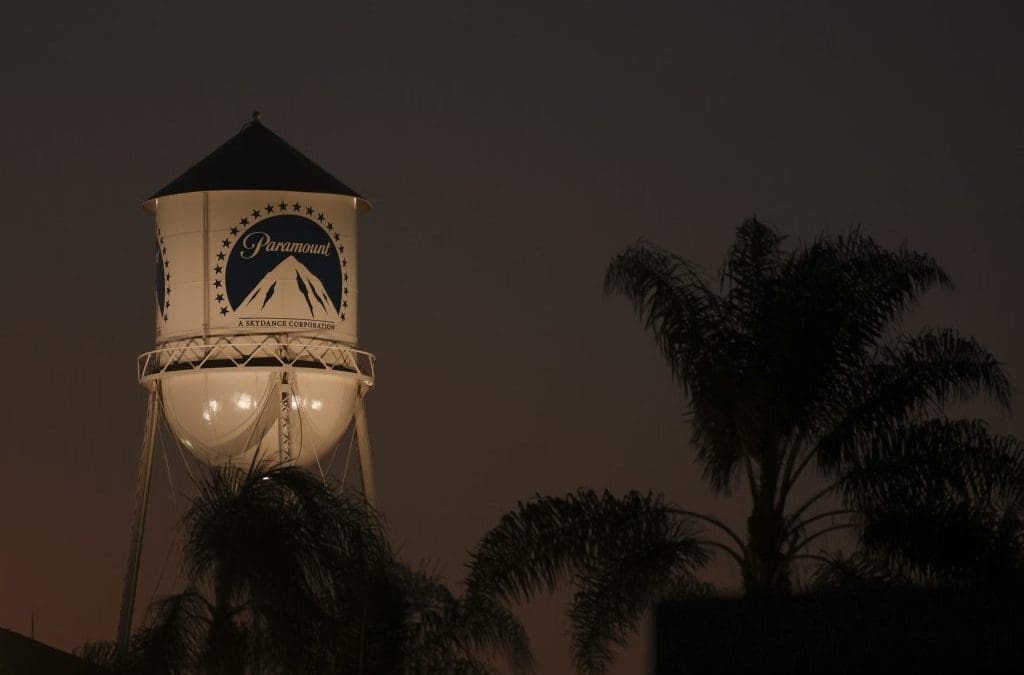
A coalition of Democratic states and Paramount reached a settlement in a lawsuit against its proposed $111 billion merger with Warner Bros. Discovery on Monday, paving the way for one of the largest media mergers in history — and a massive consolidation of power over a huge swath of the entertainment and news industries under the conservative billionaire Ellison family.
The antitrust lawsuit was the last major obstacle for the deal, which has already been blessed by the Trump administration. Attorneys general from 12 states had sued to block the merger, which leading California Attorney General Rob Bonta had called “unlawful,” amid a flurry of antitrust concerns from prominent Hollywood figures and press freedom groups. The Writers Guild of America’s (WGA) lawsuit against the merger was also settled on Monday, with the union saying that its members could not afford to continue the legal battle on their own.
The merger will grant widespread power to a company that would effectively control CNN; CBS News; and, in all, roughly 30 percent of wide-release theatrical film distribution and basic cable channel licensing. It amounts to roughly 20 percent of Americans’ television watching time — all conglomerated under the leadership of Paramount Skydance CEO David Ellison. David Ellison is a major ally to Trump and son of Oracle CEO Larry Ellison, who has personally donated millions to Israel’s military; Paramount had once dubiously suggested that opposition to the merger was a result of antisemitism.
David Ellison, who thanked California Gov. Gavin Newsom (D) in his statement celebrating the deal, has said that the merger is expected to go through in two weeks. Pro-Israel David Zaslav, the president of Warner Brothers

We’re already living through journalism’s dystopian future
The knee heard ’round the world’
This story originally appeared in Truthdig on Sep. 15, 2026, and is shared with permission.
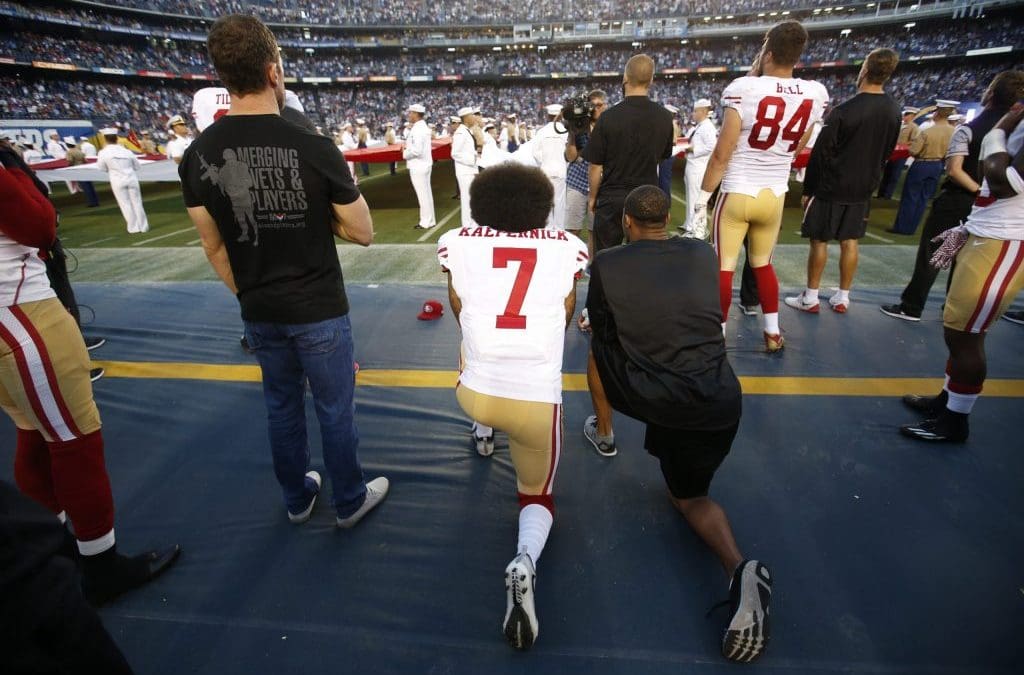
During the national anthem of the first three 2016 NFL preseason games, San Francisco 49ers quarterback Colin Kaepernick sat down on his team’s bench between two Gatorade coolers. Few noticed, and nobody made mention of the gesture until a Black reporter for NFL Network named Steve Wyche asked him about it following the third exhibition tilt, a home game against the Green Bay Packers. Wyche’s interview with Kaepernick put the quiet protest on newsfeeds across the country. Then, shortly after police shot and killed Alton Sterling and Philando Castile within a 48-hour period — Kaepernick and a teammate, safety Eric Reid, went a step further before the final preseason game on Sept. 1. Instead of sitting on the bench during the anthem, they took a knee. The rest is civil rights and sports history.
The story of Kaepernick’s life before and after that fateful stand is the subject of his new memoir, “The Perilous Fight,” co-written with Pulitzer Prize-winning journalist and author Nick Chiles. Kaepernick’s journey from a shy adoptee of color to white parents uninterested in exploring his Black experience, to a boldfaced protest icon is a singular American story, whose hinge moment came at the cusp of the Trump era. The book, which comes out tomorrow, will be available at most places where books are sold — but not Target. Kaepernick is boycotting the retailer over the company’s anti-diversity, equity and inclusion initiatives. I spoke with the author in late August. Our conversation has been edited for length and clarity.
Truthdig: Beginning where the book begins, have you thought about what it means to be a public face for adopted children?
Colin Kaepernick: It’s interesting,
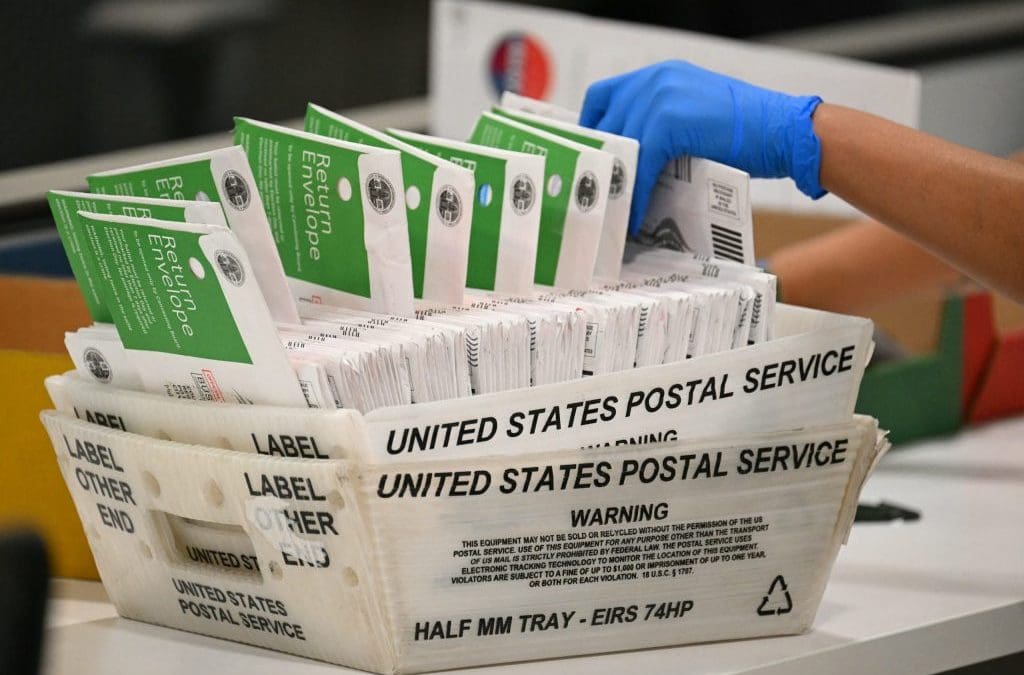
‘Major win’ for democracy as Supreme Court rejects Trump attack on mail-in voting
This story originally appeared in Common Dreams on Sep. 14, 2026. It is shared here under a Creative Commons (CC BY-NC-ND 3.0) license.
The US Supreme Court on Monday night rejected a bid by the Trump administration to keep onerous US Postal Service rules for mail-in ballots in place, which voting-rights defenders said risked depriving millions of people of the franchise in this year’s midterm elections.
After a back-and-forth legal battle over the USPS rules that dragged on for months, the nation’s highest court issued the 7-2 ruling without elaborating on its legal reasoning, though right-wing Justices Samuel Alito and Clarence Thomas issued dissents in favor of President Donald Trump’s side.
The ruling in USPS v. California was in response to a legal challenge brought by the League of Women’s Voters, the attorneys general of numerous states, and others who argued that newly-announced rules by the Postal Service regarding mail-in ballots, changes prompted by an executive order issued by Trump, would prevent people from having their ballots counted and cause chaos for those trying to administer this year’s elections.
A victory for democracy, a defeat for election deniers. https://t.co/MKjfKmgyTv— David Crowley (@DavidCCrowley) September 15, 2026
In response to the ruling, the plaintiffs’ legal team said the decision was “a critical step to ensuring free and fair elections this November by maintaining access to mail voting for millions of eligible voters across the United States and lifting the dire threat that the Postal Service would disenfranchise them.”
“Mail voting is safe, secure, and reliable—and the Trump administration has presented no evidence to the contrary, as the courts have repeatedly recognized,” the statement continued. “We will remain vigilant in countering threats to free and fair elections and ensuring that every eligible voter is able to cast a ballot and