by Taya Graham and Stephen Janis | Jul 22, 2026 | Article, Economy and Inequality, health care, Inequality, Inequality Watch, Politics and Movements: US, Prisons and Policing, Trump
A few weeks ago, we argued the Trump administration was seeking to invent new ways to punish Americans. The idea was that the authoritarian impulses of the MAGA-run government will need to dial up the cruelty in order to sow chaos and pave the way for a broader assault on democracy.
Well, this week a rule was issued by Medicare and Medicaid services that shows just how proficient the Trump administration is at inflicting pain. And the consequences for poor, seriously ill Americans could be devastating.
Before we explain the rule, it’s worth contemplating the often destructive role healthcare — both the lack of it and exorbitant costs associated with it — play in the lives of working-class Americans.
Poll after poll shows that working people rank anxiety over healthcare costs at the top of the list of high-priority concerns. Unpaid medical bills are the most likely cause of personal bankruptcy in the US. Unlike any other wealthy nation on earth, when Americans lose their jobs, they often lose access to a doctor as well.
The US healthcare system is already inherently extractive — making it even more prohibitively expensive means more people will suffer with diseases that can be cured and die from afflictions that would otherwise be treatable. All of this makes the working class vulnerable and likewise incapable of asserting their right to be healthy.
And that’s where the new rule comes in.
The government agency that administers Medicaid has created a new criterion, ‘medically frail,’ which must be met to qualify for the program without working — even if you only have weeks to live. It didn’t exist prior to the passage
by Mansa Musa | Jul 21, 2026 | Prison Industrial Complex, prison reform, Prisons and Policing, Rattling the Bars, video
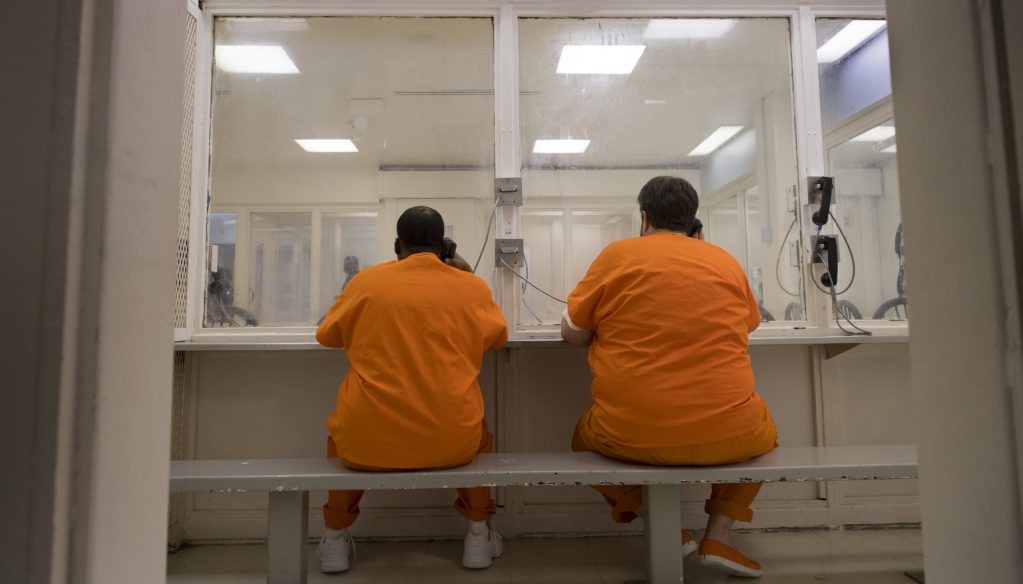
A groundbreaking new report reveals a direct link between prison phone call rates and prison safety: higher rates fuel more violence within prisons; lower rates and free phone calls dramatically reduce it. In this episode of Rattling the Bars, host and former political prisoner Mansa Musa speaks with Peter Mayer, director of research and data innovation for Worth Rises.
Additional links/info:
Worth Rises website, Facebook page, Bluesky page, X page, and Instagram
Peter Mayer & Bianca Tylek, Worth Rises (May 2026), “Critical Connections: The Power of Free Communication in Prisons and Jails”
Credits:
Producer / Videographer / Editor: Cameron Granadino
Transcript
The following is a rushed transcript and may contain errors. It will be updated.
Mansa Musa:
Welcome to this edition of Rattling the Bars. I’m your host, Mansa Musa. Prior to being released from prison, I served 48 years and days and months. When I first went in prison, we ain’t had no telephone system. So everything was letters. Then they put a telephone system in. And when they put the telephone system in, this created a whole new attitude in the prison population. People was able to get on the phones to talk to their families. They had organized a phone system where you can get designated time so you ain’t have to worry about staying in line. It was like something unusual. And when they first started talking about it, most of us were skeptic. Oh, they ain’t going to put no telephone. But now this is a major feature in every prison in the United States of America and county jails and detention centers as well.
Joining me today to talk about the groundbreaking new report
by Taya Graham and Stephen Janis | Jul 17, 2026 | police accountability, Police Accountability Report, Prisons and Policing, video
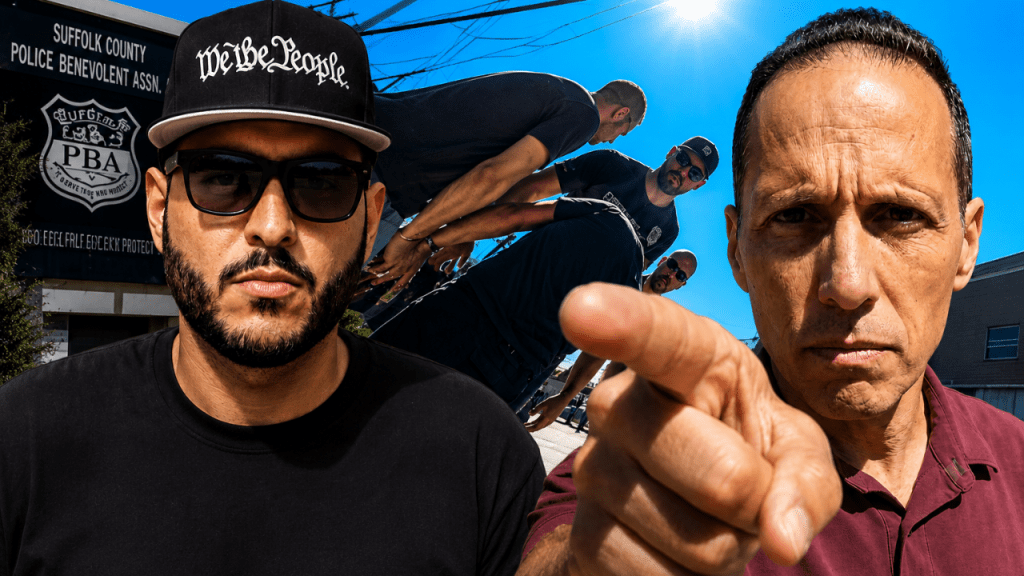
Sean Paul Reyes (@LongIslandAudit on YouTube) went to the headquarters of the Suffolk County Police Benevolent Association to ask a simple question: how is the county spending hundreds of millions of taxpayer dollars on police salaries, overtime, pensions, and misconduct settlements? Instead of an answer, he got handcuffed — while backing away from the building and repeatedly saying “I’m leaving.”On this episode of the Police Accountability Report, Taya Graham breaks down the arrest video with Sean Paul Reyes himself, and reporter Stephen Janis lays out exactly what Suffolk County taxpayers are funding.
Credits:
Written by: Stephen Janis
Produced by: Stephen Janis, Taya Graham, David Hebden
Transcript
The following is a rushed transcript and may contain errors. It will be updated.
Taya Graham:
Hello, my name is Taya Graham and welcome to the Police Accountability Report. As I always make clear, this show has a single purpose holding the politically powerful institutional policing accountable. And to do so, we don’t just focus on the bad behavior of individual cops. Instead, we examine the system that makes bad policing possible. And today we will achieve that goal by talking to one of the most popular cop watchers and independent journalists on YouTube about his recent arrest, which we are showing you right now. It occurred at the police headquarters of a powerful law enforcement union. It’s an encounter that left him injured, but also drew the attention of the mainstream media. It’s a controversy that has thrust his tactics and unique approach into police accountability into the national spotlight and raised questions on how he approaches pushing back against law enforcement and power in general.
But before I get
by Maximillian Alvarez | Jul 16, 2026 | Gaza, Israel, Palestine, Politics and Movements: International, Politics and Movements: US, Prisons and Policing, video
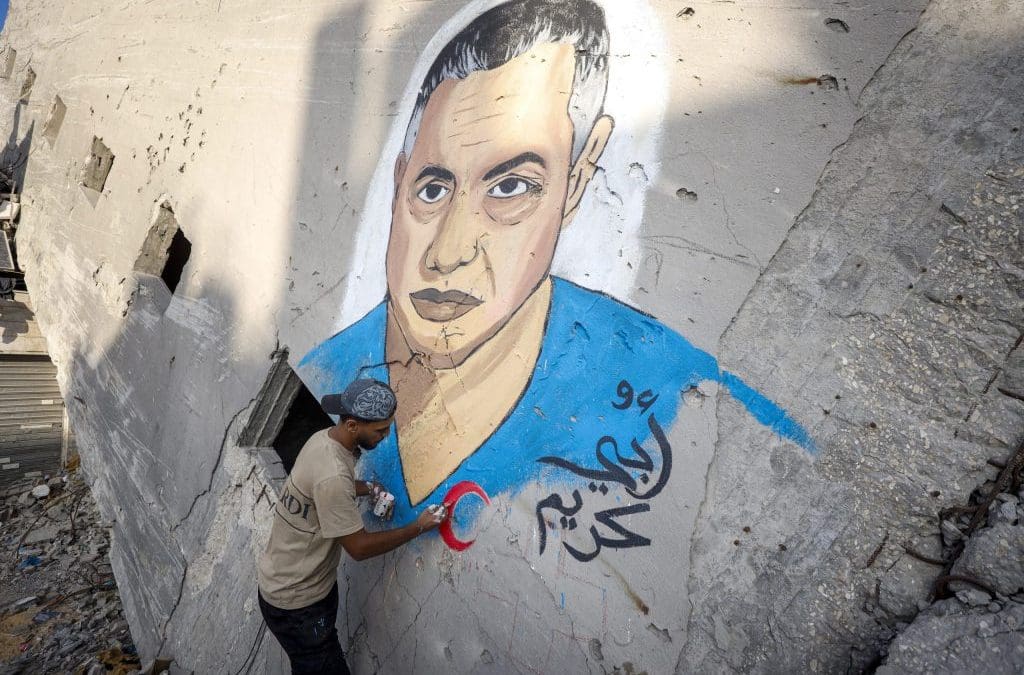
Time is running out to save the life of Dr. Hussam Abu Safiya, director of Gaza’s Kamal Adwan Hospital, who was abducted by Israel’s military and has been held for over 18 months in Israeli detention without charge. Dr. Abu Safiya’s lawyers report that he has suffered extreme torture and medical neglect and that his life is in mortal danger, but Israel has repeatedly ignored international calls to free him. We speak about the current condition of Dr. Abu Safiya and international efforts to free him with Dr. Nidal Jboor and Dr. Karameh Kuemmerle, cofounders of Doctors Against Genocide.
Additional links/info:
Doctors Against Genocide website and Instagram
Amnesty International: “Emergency Leahy Appeal: Dr. Hussam Abu Safiya’s Life at Imminent Risk in Israeli Detention”
Credits:
Producer: Rosette Sewali
Studio Production / Post-Production: David Hebden
Transcript
The following is a rushed transcript and may contain errors. It will be updated.
Maximillian Alvarez:
Time is running out to save the life of Dr. Hussam Abu Safiya, the director of Gaza’s Kamal Adwan Hospital who was abducted by Israel’s military and has been held for over 18 months in Israeli detention without charge and was last seen showing visible signs of extreme torture and medical neglect. His family has issued this plea to people of conscience around the world. Take a listen.
Speaker 2:
My father was unable to breathe. My father was unable to speak. His face was disfigured from the marks of torture and pain, especially after the last court session held in Jerusalem at the Supreme Court. We still call out plead and appeal and beg to all the free people of the world and to everyone with an atom of humanity in
by Meagan Day | Jul 14, 2026 | Article, Economy and Inequality, Inequality, Politics and Movements: US, Prison Industrial Complex, prison reform, Prisons and Policing, Reprint
by Stephen Prager | Jul 9, 2026 | Article, ICE, Politics and Movements: US, Prisons and Policing, Reprint