by Taya Graham and Stephen Janis | Jul 31, 2026 | First Amendment, livestream, Police Accountability Report, Politics and Movements: US, Prisons and Policing, video
Police auditors, better known as “copwatchers,” have become both famous and notorious for using cell phone cameras and YouTube channels to monitor police activity, confront cops who are breaking the law, and fight for accountability and reform. But is copwatching a form of citizen journalism, or is it just provocation masquerading as accountability?
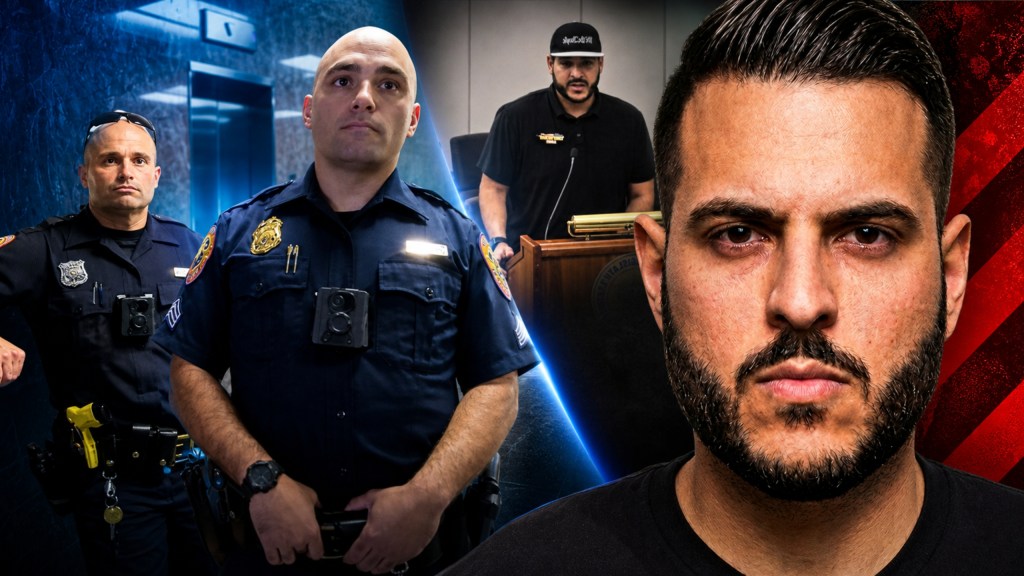
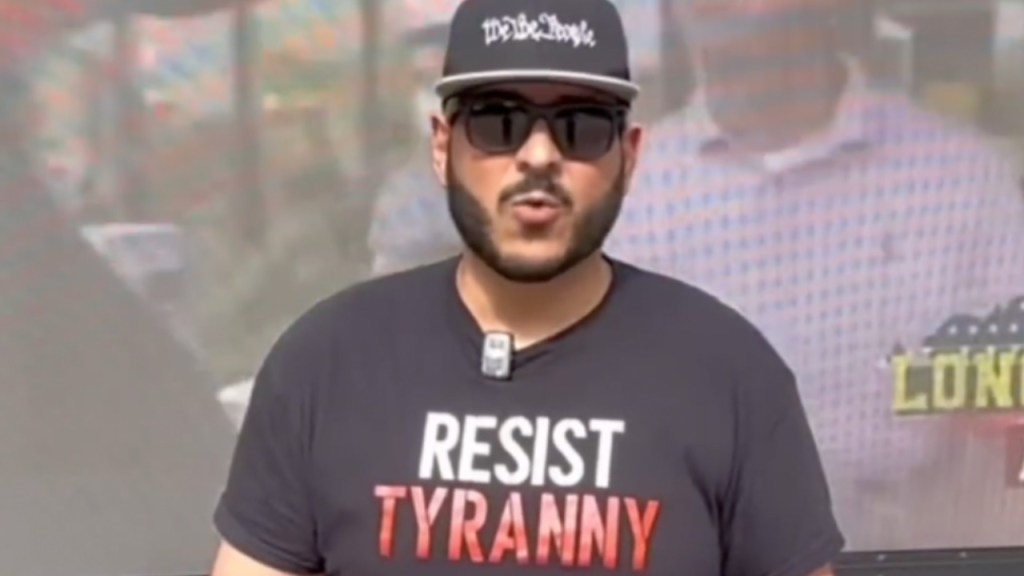
In this special Police Accountability Report livestream, (in)famous copwatcher Sean Paul Reyes, better known as Long Island Audit, joins hosts Taya Graham and Stephen Janis for a lively, candid debate about one of the most popular and controversial forms of police accountability today.
Credits:
Pre-Production; Stephen Janis, Taya Graham
Production: Stephen Janis, Taya Graham, David Hebden, Ryan Johnson, Maximillian Alvarez
Transcript
The following is a rushed transcript and may contain errors. It will be updated.
Taya Graham:
My name is Taya Graham and welcome to the Police Accountability Report livestream, the great American Copwatcher debate edition. Tonight, we are going to be exploring the controversy surrounding a popular Copwatcher, Long Island audit, specifically his encounter with Suffolk County Police Union officials that was the subject of our last episode. Now, a confrontation that started with Sean showing up at union headquarters to ask questions and then escalated when union officials stormed out of the building and put Sean Paul into handcuffs. Let’s just watch a few seconds of the encounter to set the scene.
Sean Paul Reyes (Long Island Audit):
Have you seen me leaving? I immediately began to leave. Lucivillo, would you like to come on? I am leaving. Would you like to come on the channel? I’m leaving. I am leaving. You seem to leave me? I am leaving. I’m leaving. I’m leaving. Lucivillo, you
by Taya Graham and Stephen Janis | Jul 17, 2026 | police accountability, Police Accountability Report, Prisons and Policing, video
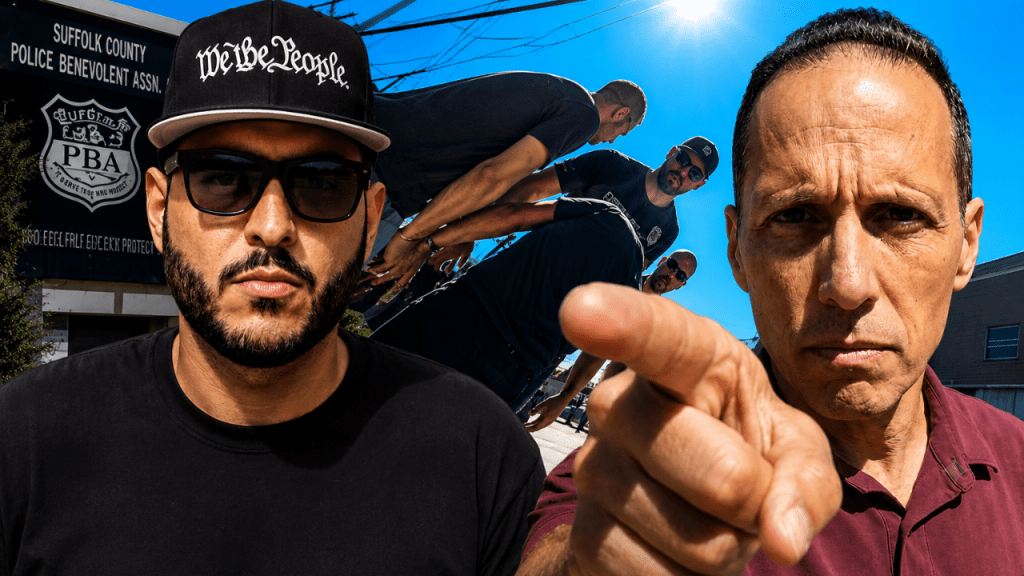
Sean Paul Reyes (@LongIslandAudit on YouTube) went to the headquarters of the Suffolk County Police Benevolent Association to ask a simple question: how is the county spending hundreds of millions of taxpayer dollars on police salaries, overtime, pensions, and misconduct settlements? Instead of an answer, he got handcuffed — while backing away from the building and repeatedly saying “I’m leaving.”On this episode of the Police Accountability Report, Taya Graham breaks down the arrest video with Sean Paul Reyes himself, and reporter Stephen Janis lays out exactly what Suffolk County taxpayers are funding.
Credits:
Written by: Stephen Janis
Produced by: Stephen Janis, Taya Graham, David Hebden
Transcript
The following is a rushed transcript and may contain errors. It will be updated.
Taya Graham:
Hello, my name is Taya Graham and welcome to the Police Accountability Report. As I always make clear, this show has a single purpose holding the politically powerful institutional policing accountable. And to do so, we don’t just focus on the bad behavior of individual cops. Instead, we examine the system that makes bad policing possible. And today we will achieve that goal by talking to one of the most popular cop watchers and independent journalists on YouTube about his recent arrest, which we are showing you right now. It occurred at the police headquarters of a powerful law enforcement union. It’s an encounter that left him injured, but also drew the attention of the mainstream media. It’s a controversy that has thrust his tactics and unique approach into police accountability into the national spotlight and raised questions on how he approaches pushing back against law enforcement and power in general.
But before I get
by Taya Graham and Stephen Janis | May 4, 2026 | Police Accountability Report, Politics and Movements: US, Prisons and Policing, video
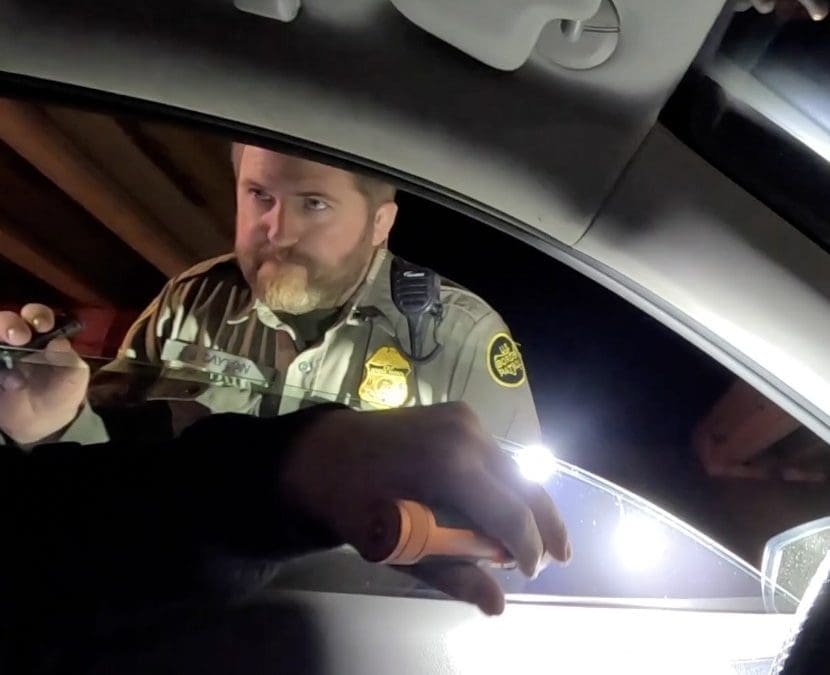
In this episode of the Police Accountability Report we speak with Ismael Rincon, aka Corners News, of Texas, who often encounters Customs and Border Patrol while driving to pick up clients for ride share. Federal agents have now taken to stopping cars and engaging in traffic enforcement, and in his case prolonging a stop to introduce K-9 even though it was established that the driver was an American citizen. Federal agents stopping American citizens shouldn’t be a problem if they have nothing to hide, right? Unfortunately, history has taught us that allowing governmental agents more and more access to your private property, your person, and your time leads to the erosion of civil rights and often more disastrous consequences for the individual. Join us for the conversation, live chat, and discussion in the comment section on where Americans should draw the line between privacy and constitutional rights and the current imperative of law enforcement.
Credits:
Written by: Stephen Janis Produced by: Stephen Janis, Taya Graham
Transcript
The following is a rushed transcript and may contain errors. A proofread version will be made available as soon as possible.
Taya Graham:
Hello, my name is Taya Graham and welcome to the Police Accountability Report. As I always make clear, this show has a single purpose holding the politically powerful institution of policing accountable. And to do so, we don’t just focus on the bad behavior of individual cops. Instead, we examine the system that makes bad policing possible. And today, we will achieve that goal by showing you this video of Border Patrol agents illegally detaining popular Cop Watcher Coroners News. A questionable example of law enforcement overreach
by Taya Graham and Stephen Janis | Feb 20, 2026 | ICE, police accountability, Police Accountability Report, Politics and Movements: US, Prisons and Policing, video
Are we protecting communities or redefining rights as optional? Join reporters Taya Graham and Stephen Janis for this special Police Accountability Report and conversation with three voices who have spent years documenting government power up close: James Freeman, Ismael Rincon, HBO Matt.
Credits:
Written by: Stephen Janis
Produced by: Stephen Janis, Taya Graham, David Hebden
Transcript
A transcript will be provided when ready.
by Taya Graham and Stephen Janis | Feb 13, 2026 | ICE, police accountability, Police Accountability Report, Politics and Movements: US, Prisons and Policing, video
Taya Graham and Stephen Janis speak with Sean-Paul Reyes, better known as Long Island Audit on YouTube, about his choice to risk detention and stand up for his constitutional rights at a Texas checkpoint. We think you can guess which he chose. Reyes explains the difficulties and dangers in cop watching federal law enforcement officers like those with Immigration and Customs Enforcement (ICE) and Customs and Border Protection (CBP).
Credits:
Written by: Stephen Janis
Produced by: Stephen Janis, Taya Graham
Transcript
The following is a rushed transcript and may contain errors. A proofread version will be made available as soon as possible.
Taya Graham:
Hello, my name is Taya Graham and welcome to the Police Accountability Report. As I always make clear, this show has a single purpose holding the politically powerful institution of policing accountable. And to do so, we don’t just focus on the bad behavior of individual cops. Instead, we examine the system that makes bad policing possible. And today, we will achieve this goal by talking to popular cop watcher Long Island audits about his recent battles with federal authorities. He is one of the fiercest defenders of First Amendment rights and a fearless advocate for police accountability. And today he will be breaking down for us his recent encounters with federal officers and border patrol agents. Shocking video that shows just how tenuous our rights are and why it is vitally important that auditors like Sean are on the streets defending them. But before we get started, I don’t have a sponsor.
We don’t run any ads on our channel. All that we ask is that you like the video, share it and
by Taya Graham and Stephen Janis | Jan 26, 2026 | Article, ICE, Minneapolis, Opinion, Police Accountability Report, Politics and Movements: US, Prisons and Policing
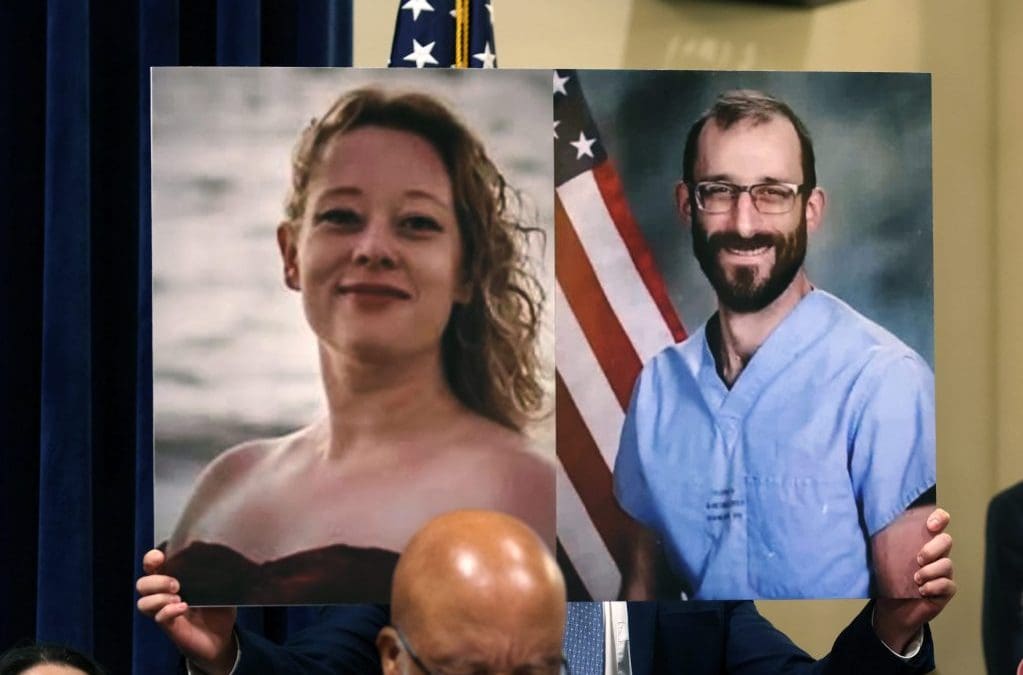
After the extrajudicial killing of ICU nurse Alex Pretti in Minneapolis, federal officials were quick to put the blame on him. Pretti was accused of planning a “massacre” of cops, while videos depict him filming and rendering aid to a woman before he was shot in the back.
This has been the Trump administration’s playbook since federal agents occupied Minneapolis: A controversial use of force, then false accusations blaming the victim without evidence or investigation.
Renee Good suffered the same fate after she was killed by an ICE agent earlier this month. Kristi Noem called her a domestic terrorist just hours after she was gunned down. Again, an accusation without evidence.
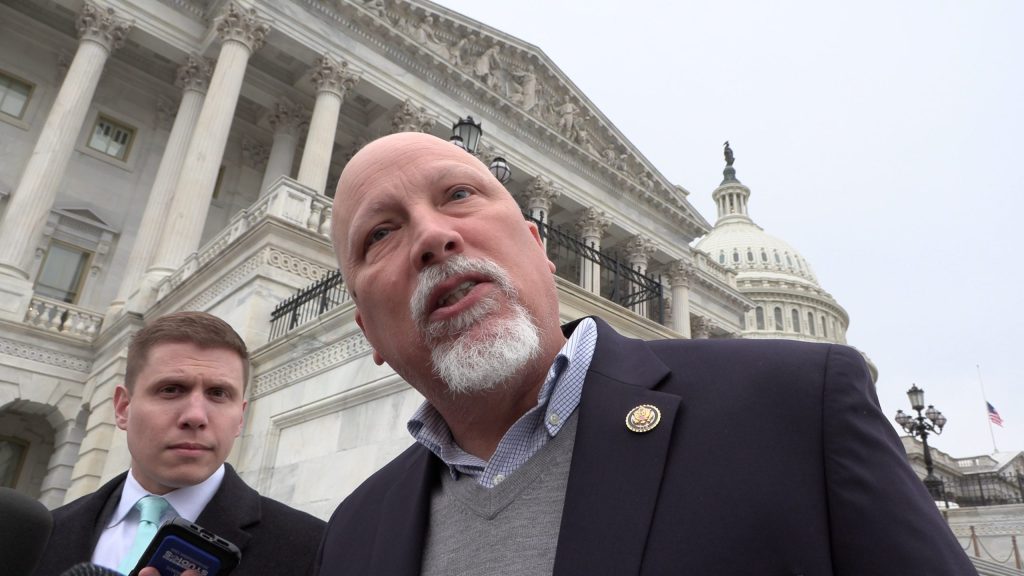
Shortly after the killing of Good, we interviewed the MAGA conservative Rep. Chip Roy on the steps of the US Capitol about ICE’s actions.
His answers were revealing and worth revisiting in light of the continued use of the victim-blaming playbook, if only to understand what all this rhetorical posturing implies about the continuing presence of ICE in American cities.
Roy is one of the most conservative members of Congress. He’s also a MAGA stalwart. When we asked him if Renee Good’s killing was justified, he initially stuck to blaming the victim.
“I think she put herself in a bad position by interfering with law enforcement and by hitting the gas in a car with a law enforcement officer right in front of her. That’s what I think,” Roy responded.
Then, as the interview progressed, his defense of ICE shifted.
“Do we talk about the ICE officer who was dragged down the street in a car? Do we talk about the ICE officer who had a steel