by Taya Graham and Stephen Janis | Sep 14, 2026 | Media Criticism, police accountability, Police Accountability Report, Prisons and Policing, video
Something strange is happening to the cop-watching community on YouTube. The obvious explanation might be YouTube’s enforcement against repetitive, mass-produced or AI-generated content. But the creators we’re investigating aren’t AI channels. They’re filming police, publishing encounters with public officials and, in some cases, using body-camera footage. So what is happening?
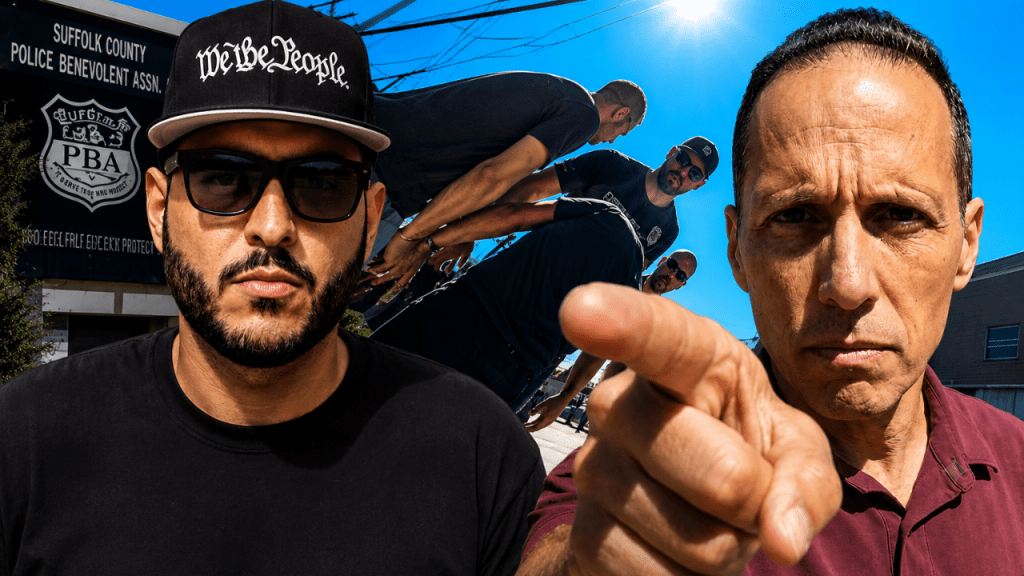
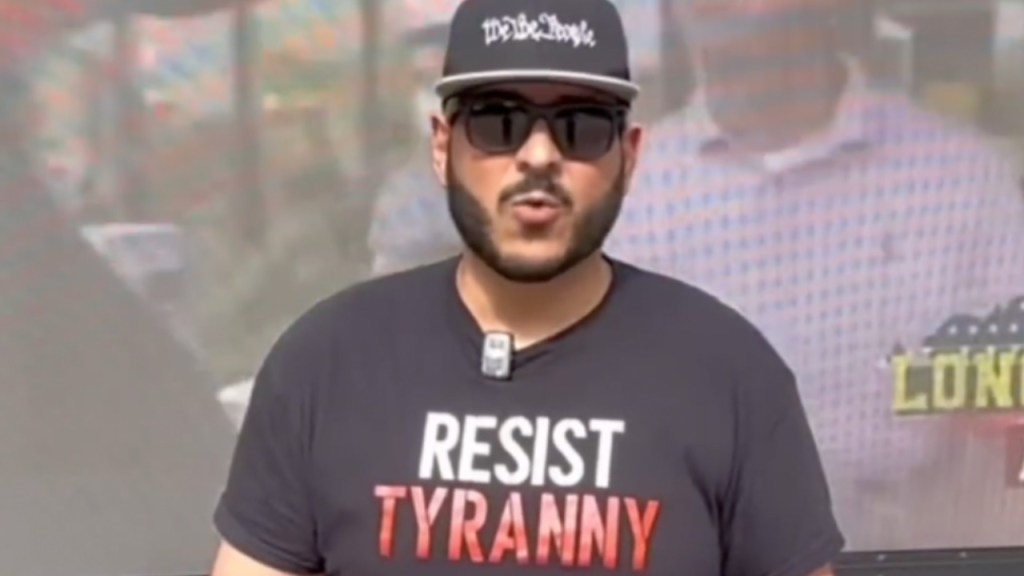
In this live stream, cop watchers and First Amendment activists Rights Crispy and Long Island Audit debate who’s behind this demonetization wave.
Credits:
Pre-production: Taya Graham/Stephen Janis
Written by: Stephen Janis
Production: Cameron Granadino/David Hebden/Maximillian Alvarez
Transcript
The following is a rushed transcript and may contain errors. It will be updated.
Taya Graham:
Hello, my name is Taya Graham and welcome to this breaking news edition of our Police Accountability Report livestream. Now, we decide to do the show because there have been serious widespread disruptions across the 1A and Copwatcher YouTube community, namely a broad and still unexplained demonetization of an array of channels related to both copwatching and First Amendment auditing. Whether this is targeted, random, part of YouTube’s overhaul to its partnership system, what it means for some very popular activists is what we will unpack today. And to help us, we’ll be joined by two influential copwatchers, Long Island Audits, also known as Sean Paul Reyes and Wright’s Crispy or Finn Vargas. Both have been instrumental members of the Copwatcher movement and both have been affected by YouTube’s mysterious move to end their ability to monetize their content, at least on YouTube for now. But before I get to them, I want to check in with my reporting partner, Steven Janis, who has been researching and reporting on what’s happening.
So Stephen, thank you for joining
by Taya Graham and Stephen Janis | Sep 14, 2026 | police accountability, Police Accountability Report, Policing, Prisons and Policing, video
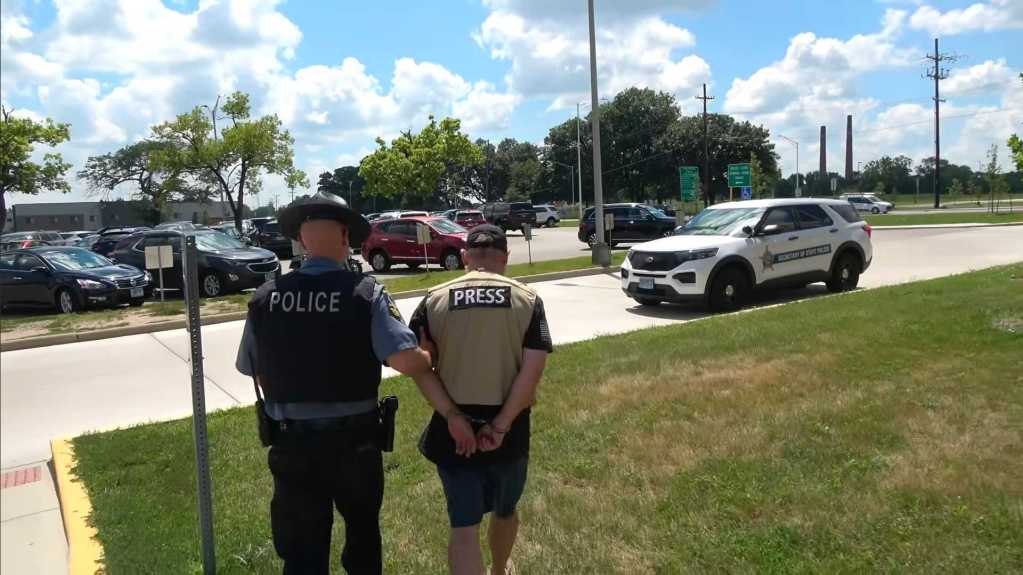
After five years behind bars and in Colorado’s correctional system, controversial cop watcher Eric Brandt is free.
In his first interview following his release, Brandt joins the Police Accountability Report to talk candidly about prison, the sentence that changed his life, his regrets, the supporters who stood by him and whether he still believes in the movement that made him one of America’s most notorious police accountability activists.
Brandt also reflects on his role in helping establish the right to film police in the 10th Circuit and answers a question his critics have been asking for years: did Eric Brandt go too far?
Love him or hate him, this is a side of Eric Brandt few people have seen…Please watch this exclusive interview with Police Accountability Report hosts Taya Graham and Stephen Janis.
Credits:
Pre-production: Taya Graham/Stephen Janis
Written by: Stephen Janis
Production: Cameron Granadino
Post-production: Stephen Janis
Transcript
The following is a rushed transcript and may contain errors. It will be updated.
Taya Graham:
Hello, this is Taya Graham and welcome to this breaking news edition of the Police Accountability Report. Now, as I always make clear, this show has a single purpose, holding the politically powerful institution of policing accountable. And to do so, we don’t just focus on the bad behavior of individual cops. Instead, we examine the system that makes bad policing possible. But today, we will achieve that goal with a little bit of a twist and a surprise, an exclusive interview with a controversial cop watcher who was just released from a halfway house in Colorado after spending five years behind bars. His name is Eric Brandt. He’s a Denver activist and advocate for the homeless,
by Mike Ludwig | Aug 11, 2026 | AI, Article, police accountability, Policing, Politics and Movements: US, Prisons and Policing, Reprint
by Taya Graham and Stephen Janis | Jul 17, 2026 | police accountability, Police Accountability Report, Prisons and Policing, video
Sean Paul Reyes (@LongIslandAudit on YouTube) went to the headquarters of the Suffolk County Police Benevolent Association to ask a simple question: how is the county spending hundreds of millions of taxpayer dollars on police salaries, overtime, pensions, and misconduct settlements? Instead of an answer, he got handcuffed — while backing away from the building and repeatedly saying “I’m leaving.”On this episode of the Police Accountability Report, Taya Graham breaks down the arrest video with Sean Paul Reyes himself, and reporter Stephen Janis lays out exactly what Suffolk County taxpayers are funding.
Credits:
Written by: Stephen Janis
Produced by: Stephen Janis, Taya Graham, David Hebden
Transcript
The following is a rushed transcript and may contain errors. It will be updated.
Taya Graham:
Hello, my name is Taya Graham and welcome to the Police Accountability Report. As I always make clear, this show has a single purpose holding the politically powerful institutional policing accountable. And to do so, we don’t just focus on the bad behavior of individual cops. Instead, we examine the system that makes bad policing possible. And today we will achieve that goal by talking to one of the most popular cop watchers and independent journalists on YouTube about his recent arrest, which we are showing you right now. It occurred at the police headquarters of a powerful law enforcement union. It’s an encounter that left him injured, but also drew the attention of the mainstream media. It’s a controversy that has thrust his tactics and unique approach into police accountability into the national spotlight and raised questions on how he approaches pushing back against law enforcement and power in general.
But before I get
by Taya Graham and Stephen Janis | Feb 20, 2026 | ICE, police accountability, Police Accountability Report, Politics and Movements: US, Prisons and Policing, video
Are we protecting communities or redefining rights as optional? Join reporters Taya Graham and Stephen Janis for this special Police Accountability Report and conversation with three voices who have spent years documenting government power up close: James Freeman, Ismael Rincon, HBO Matt.
Credits:
Written by: Stephen Janis
Produced by: Stephen Janis, Taya Graham, David Hebden
Transcript
A transcript will be provided when ready.
by Taya Graham and Stephen Janis | Feb 13, 2026 | ICE, police accountability, Police Accountability Report, Politics and Movements: US, Prisons and Policing, video
Taya Graham and Stephen Janis speak with Sean-Paul Reyes, better known as Long Island Audit on YouTube, about his choice to risk detention and stand up for his constitutional rights at a Texas checkpoint. We think you can guess which he chose. Reyes explains the difficulties and dangers in cop watching federal law enforcement officers like those with Immigration and Customs Enforcement (ICE) and Customs and Border Protection (CBP).
Credits:
Written by: Stephen Janis
Produced by: Stephen Janis, Taya Graham
Transcript
The following is a rushed transcript and may contain errors. A proofread version will be made available as soon as possible.
Taya Graham:
Hello, my name is Taya Graham and welcome to the Police Accountability Report. As I always make clear, this show has a single purpose holding the politically powerful institution of policing accountable. And to do so, we don’t just focus on the bad behavior of individual cops. Instead, we examine the system that makes bad policing possible. And today, we will achieve this goal by talking to popular cop watcher Long Island audits about his recent battles with federal authorities. He is one of the fiercest defenders of First Amendment rights and a fearless advocate for police accountability. And today he will be breaking down for us his recent encounters with federal officers and border patrol agents. Shocking video that shows just how tenuous our rights are and why it is vitally important that auditors like Sean are on the streets defending them. But before we get started, I don’t have a sponsor.
We don’t run any ads on our channel. All that we ask is that you like the video, share it and