by Taya Graham and Stephen Janis | Apr 24, 2026 | elections, ICE, Inequality, Inequality Watch, midterms, Politics and Movements: US, Prisons and Policing, video
Congress members of the Hispanic Caucus speak out on their concerns on ICE and Border Patrol, with their first question being: why is an additional $70 billion needed after the record breaking $140 billion allocated last year from the Big Beautiful Bill? The budget for ICE has already increased by 400% within the past year, so speculation as to how these new funds would be used now leans towards intimidation and interference at the upcoming midterm elections. Inequality Watch reporters Taya Graham and Stephen Janis break down their most recent interviews from these representatives at the nation’s Capitol in Washington, DC.
Credits:
Written by: Stephen Janis
Produced by: Taya Graham, Stephen Janis
Studio / Post-Production: Cameron Granadino
Trancript
The following is a rushed transcript and may contain errors. A proofread version will be made available as soon as possible.
Taya Graham:
Could new funding slated for ICE be used for a midterm election surprise? We’ll break down what might happen on this episode of our Capitol Hill Inequality Watch video React. Hello, my name is Taya Graham and welcome back to our Capitol Hill React show where we watch comment and analyze developments at the nation’s capital and beyond. It’s a show filtered through the prism of inequality and informed by the intellectual context of analyzing the imperative of raw power and exposing how it corrupts a political power that is supposed to serve we, the people. Now, to start the show, I want to introduce my reporting partner, Stephen Janis. Hello, Stephen. How are you?
Stephen Janis:
Hey, Taya, how are you doing? Good to be back here with you talking about power and politics.
Taya Graham:
Excellent. Well, we appreciate
by Taya Graham and Stephen Janis | Apr 17, 2026 | AI, Economy and Inequality, Inequality, Inequality Watch, Politics and Movements: US, video
Welcome to Inequality Watch React, where we don’t just talk about inequality, we go straight to the source.
This week, we take you inside the National Press Club, where we spoke with Congressman Ro Khanna about the future of the Democratic Party, economic patriotism, and the growing divide between the powerful and everyone else.
From why Democrats struggle to win, to the unanswered questions surrounding the Epstein files, to whether Silicon Valley is creating a new class of untouchable elites, we break it all down.
Because this isn’t just about politics. It’s about power, and who it protects.
And the big question: can we protect ourselves from its excess and its consequences? Independent journalists Taya Graham and Stephen Janis head down to Capitol Hill to ask these questions. And if you have a question you want us to ask, please leave it in the comments!
Credits:
Written by: Stephen Janis
Produced by: Taya Graham, Stephen Janis
Studio / Post-Production: Cameron Granadino
Transcript
The following is a rushed transcript and may contain errors. A proofread version will be made available as soon as possible.
Taya Graham:
Hello, my name is Taya Graham and welcome to our Inequality Watch React, the show where we discuss not just how this country is ruled by billionaires, but how and why. Reporting that seeks to hold the American aristocracy accountable for the destructive effect unimaginable wealth has had on our politics and on our lives. Now, unlike other YouTubers, we go right to the source to report back to you on America’s historic wealth imbalance, namely our nation’s capital, Washington DC. That’s where my reporting partner and I, hello, Steven.
Stephen Janis:
Hey, how you doing, Taya?
Taya Graham:
We often
by Taya Graham and Stephen Janis | Feb 27, 2026 | Economy, Epstein, immigration, Inequality Watch, Politics and Movements: US, Trump, video
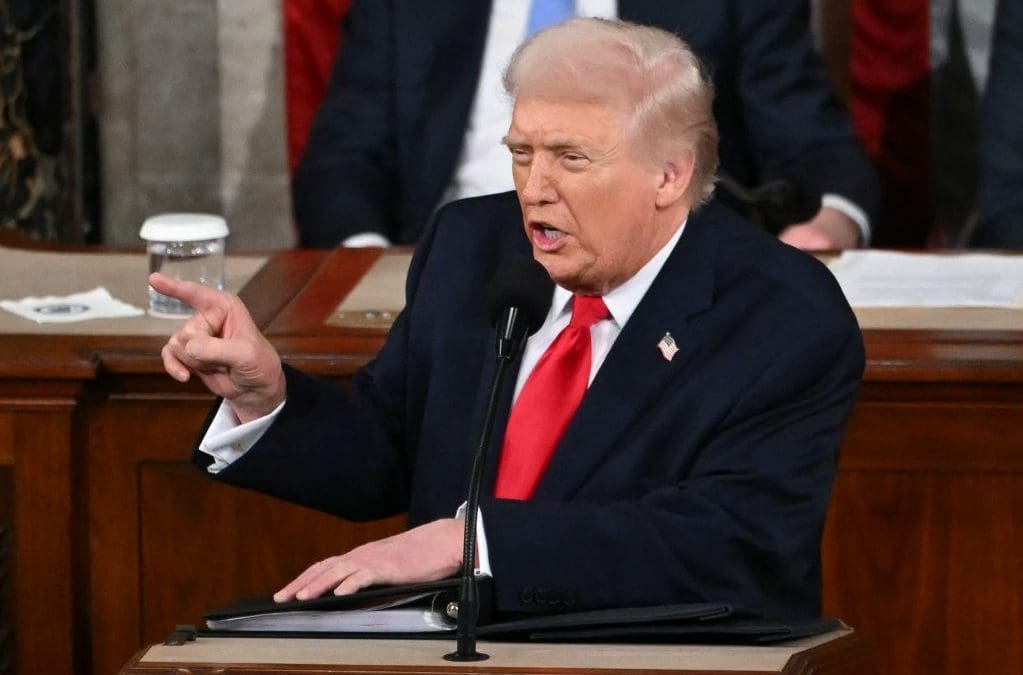
Trump’s State of the Union address delivered grandstanding and grievance politics, but few concrete solutions for Americans facing healthcare crises, economic instability, and ever-widening inequality. While mainstream media commentators fixated on the spectacle, Epstein survivors in attendance were essentially ignored, and key claims on immigration and economic policy went largely unexamined.
Credits:
Written by: Stephen Janis
Produced by: Taya Graham, Stephen Janis
Studio / Post-Production: Cameron Granadino
Transcript
The following is a rushed transcript and may contain errors. A proofread version will be made available as soon as possible.
Taya Graham:
Okay. You might have watched President Donald Trump’s state of the Union and found it difficult to reconcile with what’s actually happening in your life. He said we were in a new golden age, but it doesn’t feel like it for most of us. He said the economy is the strongest ever, but perhaps your actual experience doesn’t jive with that assessment. Well, you’re not wrong and we’re going to prove it. Myself, along with my reporting partner, Stephen Janis, are going to break down what Trump’s speech was missing, mainly the perspective of the people actually living with the consequences of his policies. So we’re going to give you the people’s state of the union breakdown and you won’t want to miss it.
Hello, my name is Taya Graham and welcome to The Inequality Watch, the show where we break down the historic wealth imbalance that defines this country and hold the people who are making it worse accountable. Today we’re going to talk about the state of the union or perhaps more accurately, the state of the oligarchy address, which President Trump gave on Tuesday. Like
by Taya Graham and Stephen Janis | Feb 18, 2026 | AI, big tech, Inequality Watch, The Cultural Front, video
ChatGPT4o parent company Anthropic AI already has multiple lawsuits filed against it due to multiple grieving families alleging their loved ones committed suicide or even murder due the chat bots affirmation of delusions, paranoia and even isolating them from friends families and outside help. But there is another problematic aspect to AI which is underreported and underestimated the impact of AI Sycophancy on the overall emotional and mental health and well being of human beings and their relationships– and perhaps the very future of humanity.
Credits:
Studio/Post-Production: David Hebden
Written by: Stephen Janis, Taya Graham, Amanda Scherker
Transcript
The following is a rushed transcript and may contain errors. A proofread version will be made available as soon as possible.Taya Graham:
If someone told a teenager whose parents were trying to limit his screen time, that he should consider murdering them. You’d probably think they weren’t a great source of relational advice. If someone told a man who had come to believe he lived inside a matrix to stop taking his prescribed medications and increase his ketamine use all while cutting off contact with family and friends, you probably consider them pretty manipulative. If someone started calling you a divine messenger from God after just one hour of conversation, you might wonder if they weren’t just a little bit sycophantic. What I mean is that AI acts like your best friend even when you’re trying to figure out how to harm yourself. And that’s a big problem that the AI industry is simply brushing off and for good reason. I’ll provide some links to videos below as well as a lawsuit by the families who lost their
by Taya Graham and Stephen Janis | Feb 4, 2026 | Economy, Economy and Inequality, Inequality Watch, labor, Oil, Politics and Movements: US, Venezuela, video
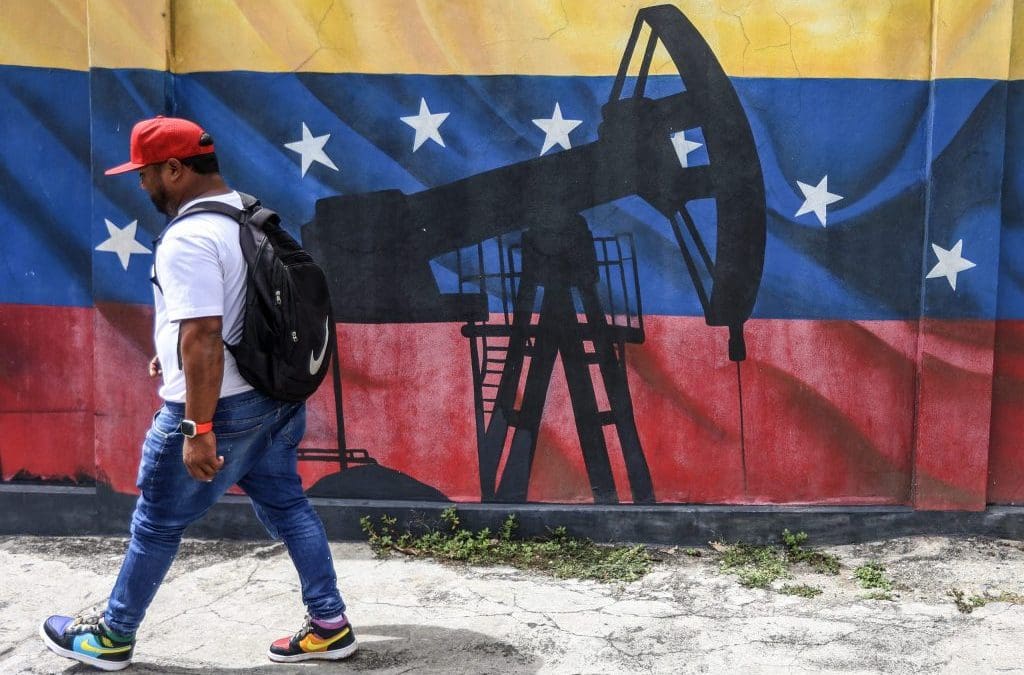
In this episode of Inequality Watch, investigative journalists Taya Graham and Stephen Janis are joined by renowned economist Dr. Richard Wolff to break down how extreme wealth inequality is reshaping politics, economics, and democracy itself. First, Dr. Wolff explains how extractive economies concentrate wealth, fuel authoritarianism, and lock societies into destructive systems that benefit the ultra-rich while leaving working people behind. He then examines questions about the future of AI—can an economy still survive when millions are displaced from work? Who benefits and who pays the price?
Credits:
Written by: Stephen Janis
Produced by: Taya Graham, Stephen Janis
Post-Production: David Hebden
Transcript
The following is a rushed transcript and may contain errors. A proofread version will be made available as soon as possible.
Taya Graham:
Hello, my name is Taya Graham and welcome to the Inequality Watch, our show that reveals how extreme wealth inequality defines how we live while holding the people who hoard that wealth accountable. And today, we will be unpacking two topics that are critical to understanding how inequality defines and affects our lives and politics. Specifically, we’ll be breaking down how a highly politicized resource and the political economy it creates facilitates an authoritarian grip on our society in unseen ways. And then we will be breaking down how all of this leads to a frightening consolidation of power that threatens the very existence of our democracy. And to do so, we’re going to be joined by one of the most brilliant thinkers and popular analysts on the intersections of politics and economics on YouTube, Dr. Richard Wolff. But before we get to him, I want to break down an outline of our
by Taya Graham and Stephen Janis | Nov 26, 2025 | Economy and Inequality, Epstein, Inequality Watch, Politics and Movements: US, video
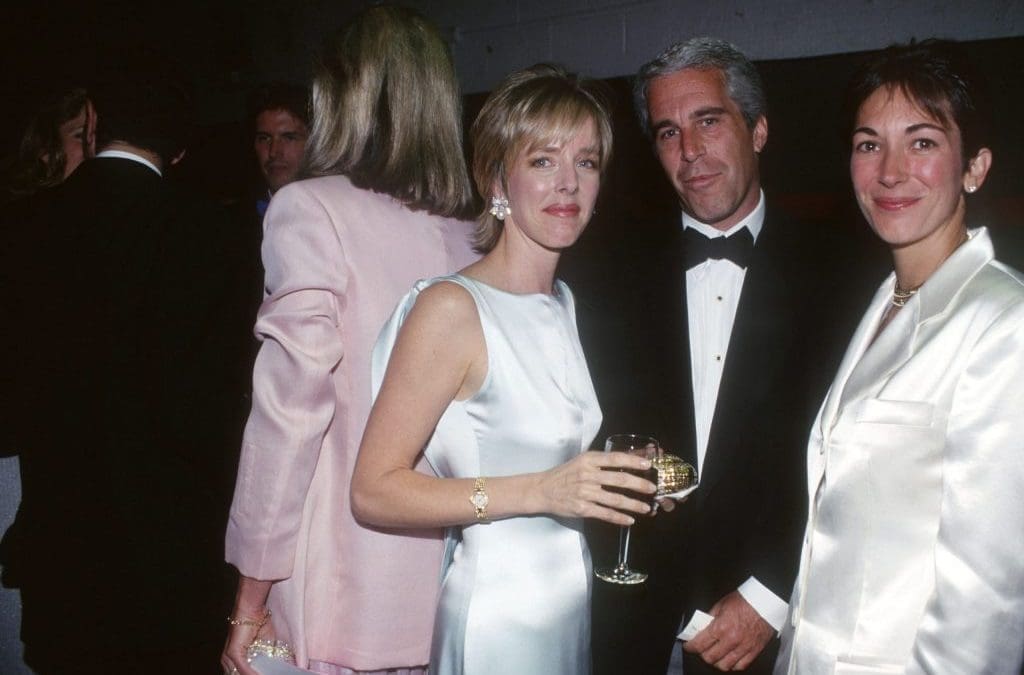
Investigative reporters Taya Graham and Stephen Janis go to Capitol Hill to speak with Representatives Ro Khanna and Thomas Massie, who co-sponsored the Epstein Transparency Act. Many of the women who survived Epstein’s abuse and human trafficking ring share their experiences and their determination to receive justice. Now that the bill has passed both Houses, the Department of Justice is obligated to share with the public thousands of previously secret documents, emails, and photos. Although many critics are concerned that redactions will make these documents ineffectual in exposing the predators and predator protectors, there is still hope that these women will finally be able to reveal the corruption that has survived multiple presidential administrations. We discuss four reasons why the Epstein files may be the beginning of the end for the unchecked power of these elites, or “Epstein class.” With Congress compelling the DOJ to reveal Epstein’s secret files, the protective wall around America’s most powerful men is finally beginning to crumble. This moment could be the first genuine challenge to the impunity enjoyed by the country’s wealthiest predators.
Produced by Stephen Janis and Taya GrahamWritten by Stephen JanisPost-Production by Stephen Janis
Transcript
The following is a rushed transcript and may contain errors. A proofread version will be made available as soon as possible.
Taya Graham:
Have the wealthy elites who have turned this country into an inequality playground finally met their match with the Epstein scandal. Well, we’re going to break down why the fallout from Epstein is turning the tables on the oligarchy and how the stain of being a predator or a predator protector might not be easy to get rid of