by Mansa Musa | Aug 10, 2026 | Prison Industrial Complex, prison reform, Prisons and Policing, Rattling the Bars, video
Effective public safety policy is founded on preventing crime and repairing harm, but these are not the foundations of America’s reactionary criminal justice establishment. This week on Rattling the Bars, we host a roundtable discussion about the DC Justice Lab’s 2026 Public Safety Policy Agenda, which has been endorsed by 30 progressive organizations working directly with system-impacted individuals, and about criminal justice reforms that would ensure safer communities through restorative justice, not draconian punishment.
Additional links/info:
DC Justice Lab website, Facebook page, X page, and Instagram
DC Justice Lab, 2026 DC Public Safety Policy Agenda
Credits:
Producer / Videographer / Editor: Cameron Granadino
Transcript
The following is a rushed transcript and may contain errors. It will be updated.
Mansa Musa:
Welcome to this edition of Rattling the Bars, I’m your host, Mansa Musa.
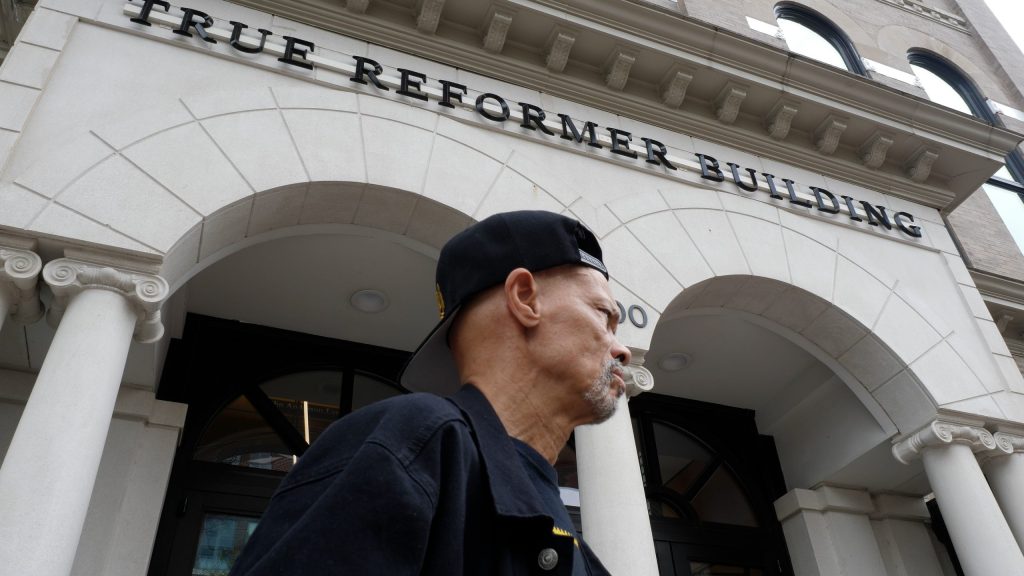
Today we are at the True Reformer Building talking to representatives from DC Justice Lab. I’m talking to Clinique Chapman, CEO, Bethany Young, the policy director. We’re here to discuss a roadmap for a safer and more equitable District of Columbia through the lens of the public safety policy agenda that DC Justice Lab has developed. Welcome to Rattling the Bars.
Clinique Chapman:
Thank you. We’re happy to be here.
Mansa Musa:
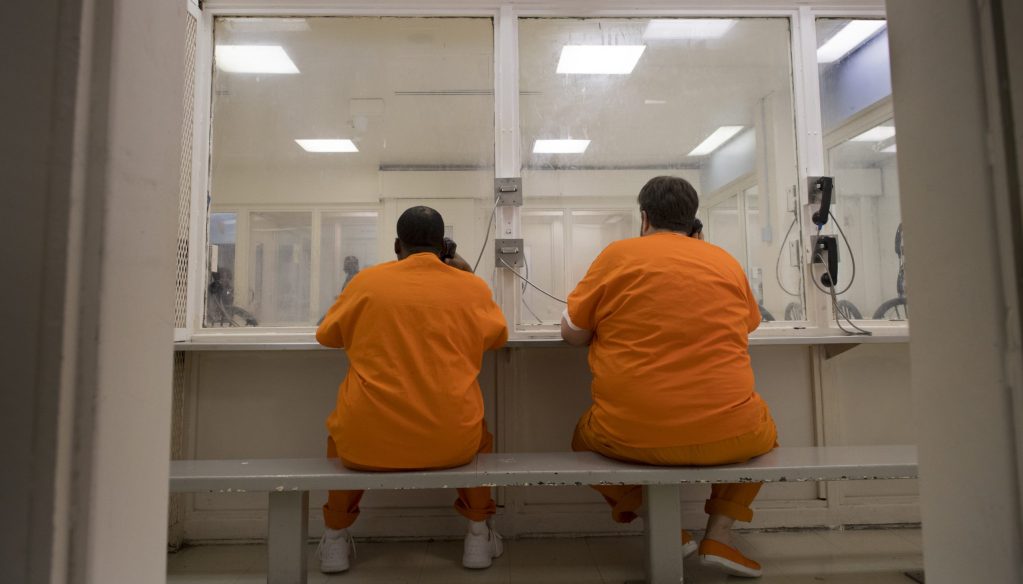
OK. Let’s start with transparency and technology. Clinique and Bethany, your agenda highlights surveillance oversight and the need for virtual testimony from the jail. Why are these two so critical for ensuring the justice system remains accountable to public safety and accessible to those inside? And when we talk about the virtual, for the benefit of our audience, DC Code Defenders can vote. And because DC Code Defenders can vote, they also should have the right. I think this
by Mansa Musa | Aug 3, 2026 | Politics and Movements: US, Prison Industrial Complex, prison reform, Prisons and Policing, Rattling the Bars, video, Washington
In part two of our series on conservative attempts to use D.C. as a testing ground for harsh criminal justice policies, Rattling the Bars host Mansa Musa sits down with Chelsea Canterbury and Eric Franklin of Voices for a Second Chance. They discuss the danger of proposed measures—including charging 14-year-olds as adults, increasing mandatory minimums, repealing the Second Look Act, and reinstating cash bail—and explain why doubling down on mass incarceration won’t make the city safer.
Additional links/info:
Voices for a Second Chance Instagram
Sarah Staudt, Prison Policy Initiative, “Bad Omens: Reform rollbacks in Washington D.C. are a warning sign for state-level advocates”
Credits:
Producer / Videographer / Editor: Cameron Granadino
Transcript
The following is a rushed transcript and may contain errors. It will be updated.
Mansa Musa:
We’re here in Washington DC, Massachusetts Avenue at Voices for a Second Chance. We’re talking about Congresses introducing certain bills to roll back progressive laws that impact District of Columbia residents. One such law is the Second Chance Act. The Second Chance Act has been very instrumental in allowing people to get out of prison after they demonstrate they have changed, but Congress want to change that. You’ll hear different testimonies today about how these things impact everyday citizens, people that want to do right. Stay tuned. Joining me today is Chelsea Canterbury. Chelsea Canterbury, welcome to Rattling the Bars. Hi,
Chelsea Canterbury:
Hi. Welcome. Thank you. All
Mansa Musa:
Right. So today we are in front of Voices for a Second Chance service organization in the District of Columbia. And full disclosure, I actually work here. Chelsea Canterbury is, and I’ll call her Chelsea from here on out. Chelsea is a case manager here
by Mansa Musa | Jul 21, 2026 | Prison Industrial Complex, prison reform, Prisons and Policing, Rattling the Bars, video
A groundbreaking new report reveals a direct link between prison phone call rates and prison safety: higher rates fuel more violence within prisons; lower rates and free phone calls dramatically reduce it. In this episode of Rattling the Bars, host and former political prisoner Mansa Musa speaks with Peter Mayer, director of research and data innovation for Worth Rises.
Additional links/info:
Worth Rises website, Facebook page, Bluesky page, X page, and Instagram
Peter Mayer & Bianca Tylek, Worth Rises (May 2026), “Critical Connections: The Power of Free Communication in Prisons and Jails”
Credits:
Producer / Videographer / Editor: Cameron Granadino
Transcript
The following is a rushed transcript and may contain errors. It will be updated.
Mansa Musa:
Welcome to this edition of Rattling the Bars. I’m your host, Mansa Musa. Prior to being released from prison, I served 48 years and days and months. When I first went in prison, we ain’t had no telephone system. So everything was letters. Then they put a telephone system in. And when they put the telephone system in, this created a whole new attitude in the prison population. People was able to get on the phones to talk to their families. They had organized a phone system where you can get designated time so you ain’t have to worry about staying in line. It was like something unusual. And when they first started talking about it, most of us were skeptic. Oh, they ain’t going to put no telephone. But now this is a major feature in every prison in the United States of America and county jails and detention centers as well.
Joining me today to talk about the groundbreaking new report
by Meagan Day | Jul 14, 2026 | Article, Economy and Inequality, Inequality, Politics and Movements: US, Prison Industrial Complex, prison reform, Prisons and Policing, Reprint
by Mansa Musa | Jun 9, 2026 | history, Political Prisoners, Politics and Movements: International, Prison Industrial Complex, Rattling the Bars, video
Imprisoned by fascist dictator Benito Mussolini in 1926, the prison writings of Italian Marxist theorist Antonio Gramsci remain essential 100 years later for understanding how fascism, policing, and incarceration function to suppress political dissent and preserve unequal systems of power. In this episode of Rattling the Bars, former Black Panther and political prisoner Mansa Musa speaks with renowned scholar Alberto Toscano about the importance and terrifying relevance of Gramsci today.
Guests:
Alberto Toscano is a renowned Italian cultural critic, social theorist, philosopher, translator, and adjunct professor at the Simon Fraser University School of Communication. Toscano is a columnist at In These Times and the (co-)author of numerous books, including: Late Fascism: Race, Capitalism and the Politics of Crisis; and Fanaticism: On the Uses of an Idea.
Credits:
Producer / Videographer / Editor: Cameron Granadino
Transcript
The following rushed transcript may contain errors. It will be updated as soon as possible.
Mansa Musa:
Welcome to this edition of Rattling the Bars. I’m your host, Mansa Musa. Today, this is just a political conversation that we’ll be having about fascism, but more importantly, talking about the works of Antonio Gramsci. Joining me today is Alberto Toscano. Welcome to Rattling the Bars Alberto.
Alberto Toscano:
Thanks for having me.
Mansa Musa:
First, explain to our audience who Antonio Gramsci was.
Alberto Toscano:
So Gramsci is best known as former secretary of the Italian Communist Party and one of the most significant Marxist and communist theorists of the 20th century. And most of his theorizing, such as we know today, was done in prison in a series of no books, his prison notebooks that were published after his death and after the end of World War II. It’s
by Jake Johnson | May 14, 2026 | GEO Group, ICE, immigration, Mass Incarceration, News, Prison Industrial Complex, private prison, Trump Administration
The Trump administration announced Tuesday that former private prison executive David Venturella will lead U.S. Immigration and Customs Enforcement in an acting capacity after the agency’s current director departs at the end of the month. Venturella has been a senior adviser to ICE since February 2025 and previously worked at the private prison giant GEO Group for more than a decade…
Source