
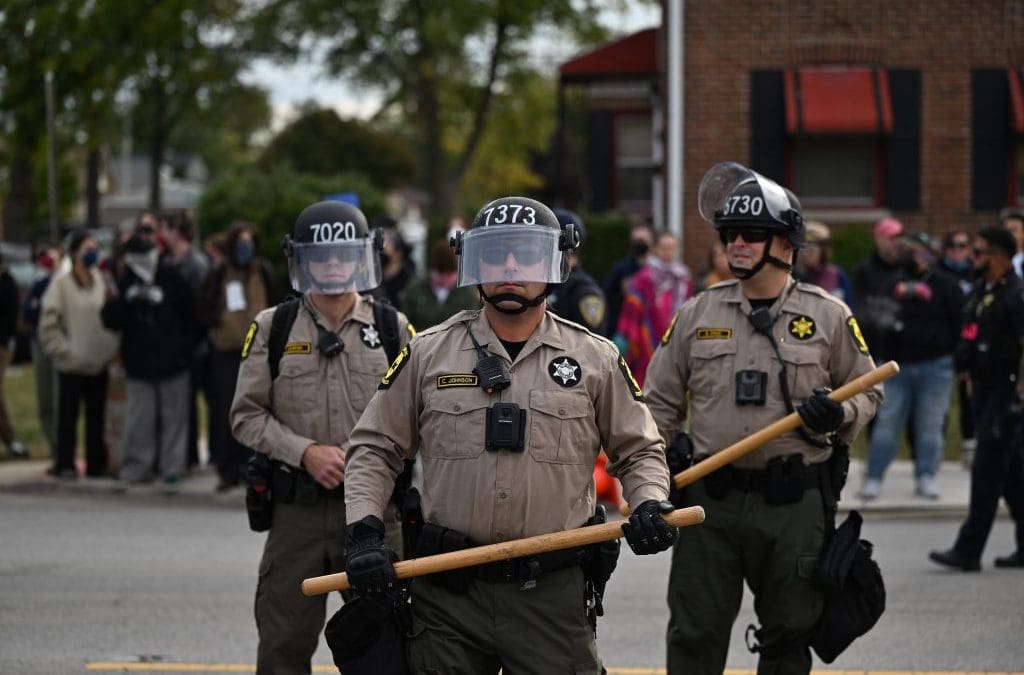
Black Communities Across the US Refuse to Be Sacrifice Zones for Data Centers
When word spread through Bessemer, Alabama, earlier this year that a tech giant was eyeing hundreds of pine-covered acres at the city’s edge, Benard Simelton’s phone wouldn’t stop ringing. The longtime NAACP leader had fielded calls about toxic air and shuttered steel mills before, but this, he said, was new to him. At first, the renderings looked like progress for the majority-Black town…
Source
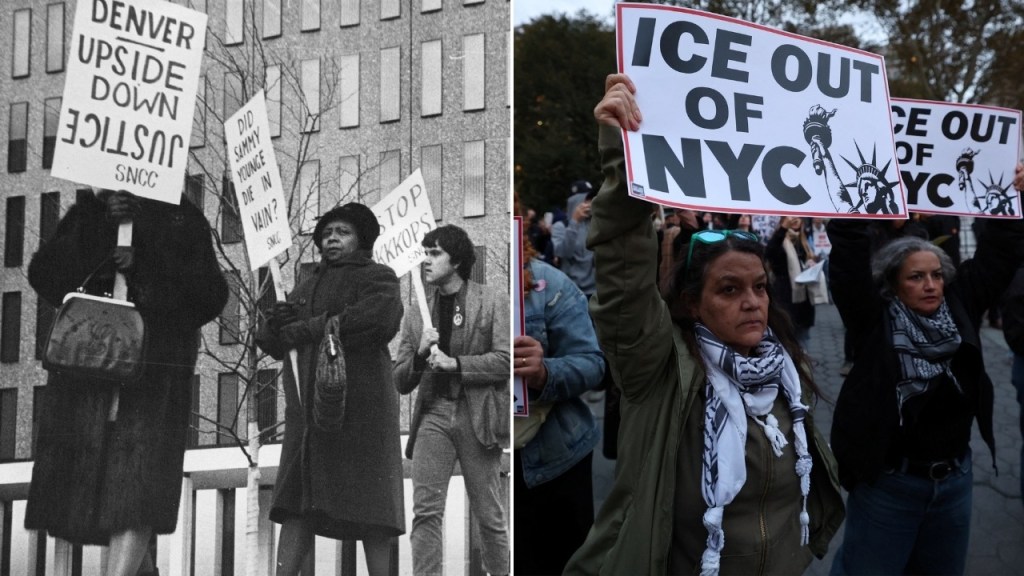
A civil rights icon’s advice for combatting Trump, ICE, and fascism today
While each period is historically unique, veterans and scholars of the civil rights movement say there are some important similarities between the era of Jim Crow and racial segregation and our current moment. One similarity, as author and professor Joshua Clark Davis notes, is the role that local law enforcement plays in enforcing regimes of racial oppression and attacking the movements opposed to them. But, as civil rights Icon Judy Richardson argues, there are also critical similarities when it comes to organizing and executing successful resistance efforts then and now. In this extended episode of The Marc Steiner Show, Marc speaks with Richardson and Davis about the hardwon lessons from the civil rights movement that must be applied to the growing anti-authoritarianism movement today.
Guests:
Judy Richardson is an American documentary filmmaker and civil rights activist. She was an early participant in the Student Nonviolent Coordinating Committee (SNCC) from 1963 to 1966 and was mentored by Ella Baker. Richardson was the educational director for the PBS docuseries Eyes on the Prize, widely recognized as the most important documentary ever produced on the Civil Rights movement, and she co-edited the book Hands on the Freedom Plow: Personal Accounts By Women in SNCC. She was a distinguished visiting lecturer of Africana Studies at Brown University.
Joshua Clark Davis is associate professor of US history at the University of Baltimore. He’s the author of multiple books, including Police Against The Movement: The Sabotage of the Civil Rights Struggle and the Activists Who Fought Back, a retelling of the civil rights movement through its overlooked work against police violence—and the police who attacked the movement with
“You Whisper to Us”: Racial Justice Activists and Artists Honor Assata’s Legacy
The recent passing of Black Panther and Black Liberation Army leader Assata Shakur unleashed more than a sense of loss. It sparked a sense of pride in her defiance, a sense of gratitude for the movements and organizations that sustained her and a flowering of hope that the freedom she fought for could one day be real for the rest of us. The collective grief is still fresh following Assata’s…
Source
SCOTUS Case Could Destroy Voting Rights Act and Cement GOP Control of House
The US Supreme Court will rehear a case on Wednesday that could strike a death blow to the Voting Rights Act and, in the process, virtually guarantee that Republicans hang on to power in the 2026 midterm elections and well into the future. At issue in the case, Louisiana v. Callais, is Section 2 of the VRA, which outlaws racially discriminatory redistricting. Max Flugrath…
Source
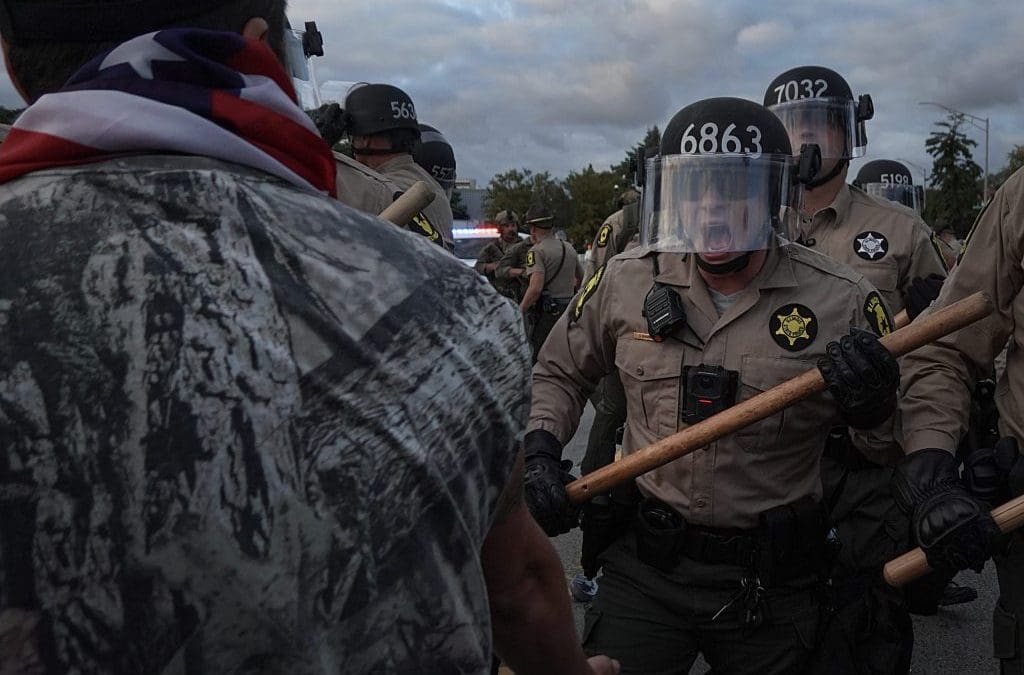
‘Spectacle of disorder’: How ICE creates the chaos ICE, cops, and the military are called in to ‘fix’
President Trump repeatedly promised that his mass deportation efforts would target “the worst of the worst” criminals, yet the government’s own data reveals that immigrants with no criminal record are the largest group in US immigration detention today. How can the Trump administration justify its deployment of federal agents, and even the military, to US cities based on the factually disprovable fictions that American cities are crime-ridden “war zones” overrun with criminal “illegal aliens”? To answer that, one must study the long-established precedent in the USA of overpolicing poor communities of color that are painted as inherently violent, chaotic, and crime-ridden. In this episode of Rattling the Bars, host Mansa Musa speaks with TRNN reporters Stephen Janis and Taya Graham about what the history of policing in America can teach us about Trump’s authoritarian deployment of law enforcement agencies today.
Credits:
Producer / Videographer / Post-Production: Cameron Granadino
Transcript
The following is a rushed transcript and may contain errors. A proofread version will be made available as soon as possible.
Mansa Musa:
Welcome to this edition of Rattling the Bars. I’m your host Mansa Musa. The Watts Riots, sometimes referred to as Watts Rebellion or Watts Uprising, took place in Watts neighborhood and surrounding areas of Los Angeles from August 11th and 16th from 1965. The rise was motivated by anger at racist and abusive practices of Los Angeles Police, as well as his grievances over unemployment discrimination and residential segregation of property. The backdrop of it was that they arrested our individual that they claimed didn’t pass the drunk driving test. Out of that grew a conversation about police kicking a pregnant woman. At any rate,