by Chris Walker | Mar 12, 2026 | Donald Trump, Economy, gas prices, iran war, News, oil prices, Polls, Tommy Tuberville
President Donald Trump is downplaying Americans’ concerns about rising oil and gas prices as a result of the U.S.-Israel war on Iran, claiming in a recent social media post that the price increases would somehow benefit the U.S. “The United States is the largest Oil Producer in the World, by far, so when oil prices go up, we make a lot of money,” Trump claimed in a Truth Social post on…
Source

by Jake Johnson | Mar 10, 2026 | Article, Economy, Economy and Inequality, Iran, Politics and Movements: International, Politics and Movements: US, Reprint, Trump, War
This story originally appeared in Common Dreams on Mar. 10, 2026. It is shared here under a Creative Commons (CC BY-NC-ND 3.0) license.
The Trump administration is quietly pursuing a regulatory change that would strip federal nutrition assistance from an estimated 6 million low-income Americans—including nearly two million children—as it spends billions on an illegal, open-ended war on Iran that has killed more than a thousand people and plunged the global economy into chaos.
The change sought by the US Department of Agriculture would curb broad-based categorical eligibility in the Supplemental Nutrition Assistance Program (SNAP). Broad-based categorical eligibility allows states to automatically qualify residents for SNAP if they are already enrolled in other aid programs, such as Temporary Assistance for Needy Families, thus reducing administrative hurdles and costs.
The Center on Budget and Policy Priorities (CBPP) estimated in a blog post published late last month—the day before President Donald Trump announced the joint US-Israeli assault on Iran—that gutting broad-based categorical eligibility would likely strip modest federal food aid from around 6 million people, including nearly 2 million children.
“The people losing access to food assistance from SNAP, school meals, and [the Women, Infants, and Children Program] would mainly be working families, older adults, and people with disabilities,” the think tank noted. “In other words, the change would primarily harm groups that federal and state policymakers from across the political spectrum have long sought to help: people who work but are living near poverty; older adults and people with disabilities with low, fixed incomes; and people trying to build modest savings in order to become more economically independent.”
The Congressional Budget Office has projected that restricting broad-based categorical eligibility would result in roughly $11 billion in savings over a 10-year period—or just over $1 billion a year.
The Trump administration is currently spending
by Maximillian Alvarez | Mar 4, 2026 | Economy, Economy and Inequality, labor, Podcast, Politics and Movements: US, Teamsters, Unions, Working People
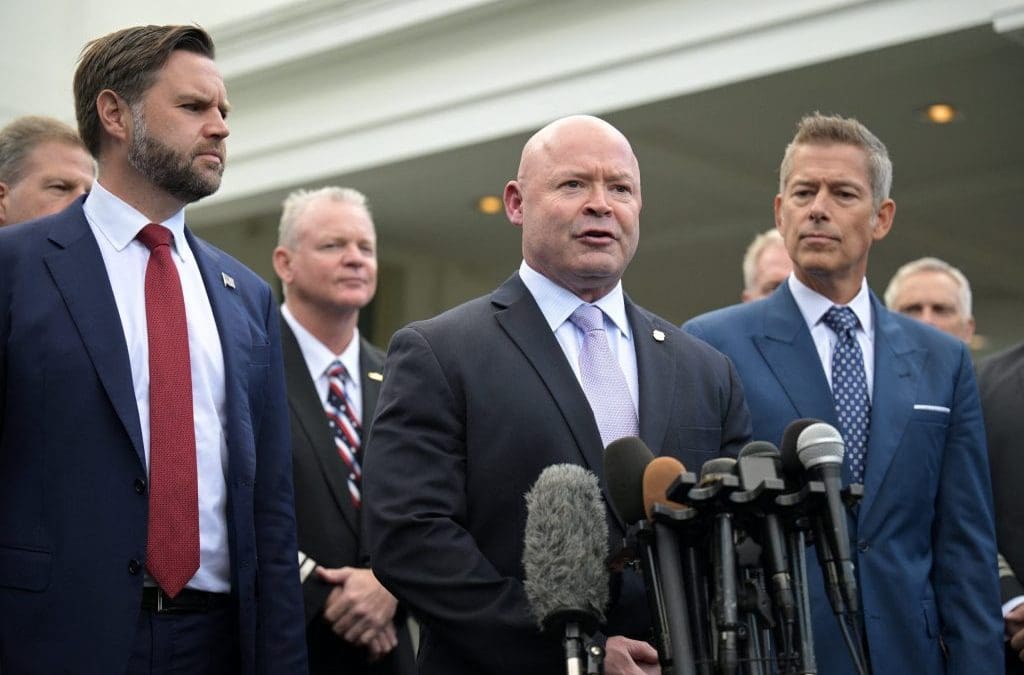
As general president of the union, Sean O’Brien has operated with a “Teamsters vs. Everybody” mentality, especially when it comes to dealing with President Donald Trump and embracing the MAGA right. But now, 14 months into the second Trump administration, the labor movement and the entire working class—Teamsters members included—is under attack. In this episode of Working People, we speak with veteran Teamsters Richard Hooker Jr. and John Palmer, who are running to oust O’Brien from leadership in the upcoming union election.
Guests:
Richard Hooker Jr. has dedicated 26 years to the Teamsters, spending 20 of those years at UPS and the last six in leadership roles. He is the Secretary-Treasurer and Principal Officer of Teamsters Local 623 in Philadelphia, and he is now running on the Fearless Slate to unseat Sean O’Brien as a candidate for general president of the International Brotherhood of Teamsters.
John Palmer has 38 years of experience in the Teamsters and is currently serving as a vice president at large of the International Brotherhood of Teamsters. He is running on the Fearless Slate as a candidate to be the union’s general secretary-treasurer.
Additional links/info:
Teamsters Fearless Slate website
Hank Kennedy, Current Affairs, “Sean O’Brien sold labor to Trump, and got nothing”
Michael Sainato, The Guardian, “Labor activist takes on Teamsters leader allying with Trump: ‘He doesn’t represent the workers’”
Joe Allen, CounterPunch, “Why are the Teamsters endorsing Greg Abbott?”
Peter Eavis, The New York Times, “UPS says it is cutting up to 30,000 jobs”
Maximillian Alvarez, TRNN, “Everybody hates Sean”
Maximillian Alvarez, TRNN, “We asked 8 different Teamsters what they thought of Sean O’Brien’s speech—their responses may surprise you”
Featured Music:
Jules Taylor, Working People Theme Song
Credits:
Audio Post-Production:
by Mansa Musa | Feb 27, 2026 | Economy, Economy and Inequality, history, Politics and Movements: US, Racial Justice, Rattling the Bars, video
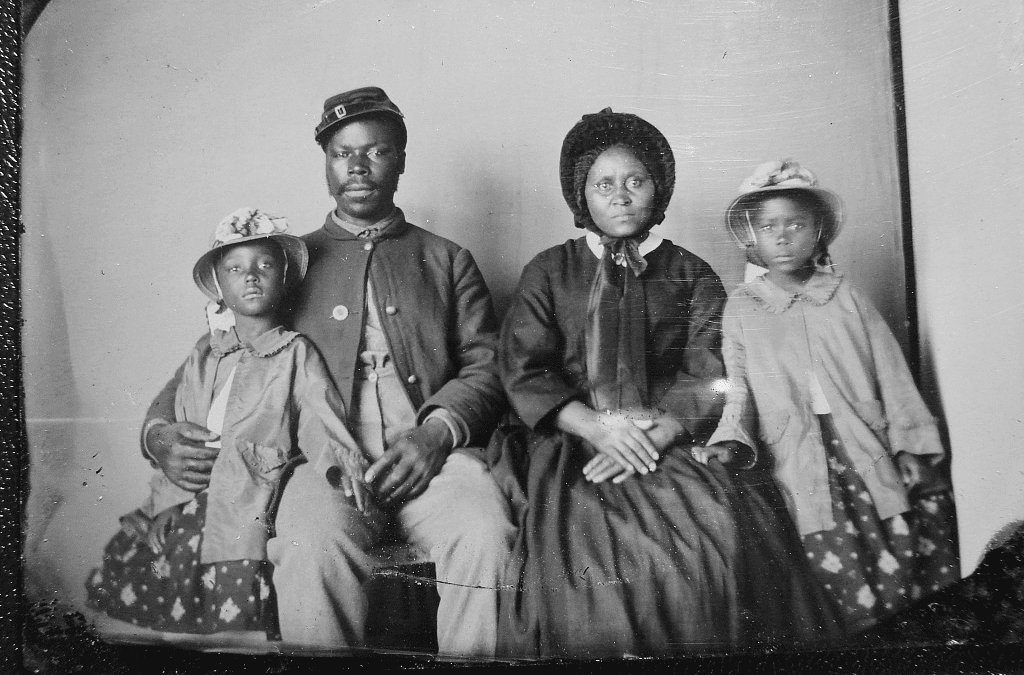
How did the promise of Black wealth become a tool for white elites? In this Black History Month special of Rattling the Bars, Mansa Musa speaks with UVA professor and author Justene Hill Edwards about the tragic history of the Freedman’s Bank. They dive into the economic intelligence of enslaved people and how they navigated the inherent violence of the slave economy. Professor Hill Edwards also breaks down the betrayal detailed in her book, Savings and Trust, revealing how a bank built for the formerly enslaved was redirected to fund D.C. infrastructure and white elite interests.
Resource Links:
Get the book at this link on bookshop.com
Professor Hill Edwards’ website
Follow Hill Edwards on X
Reviews of Hill Edwards’ latest book:
“This is a revealing history of banking innovation and experimentation, the financial acuity of Black men and women, corruption among powerful trustees, and the failure of Congressional oversight that feels all too familiar in our own era of bank failures, governmental dysfunction, and financial malfeasance. Justene Hill Edwards argues convincingly that the Freedman’s Bank debacle that lost millions of dollars earned and saved by hardworking, self-sacrificing, recently enslaved people is another little-known cause of the contemporary racial wealth gap.” – Tiya Miles, National Book Award-winning author of All That She Carried: The Journey of Ashley’s Sack, a Black Family Keepsake
“Savings and Trust, in beautifully written and accessible prose, is a must-read that offers crucial context for understanding the economic plight of formerly enslaved people after the Civil War, racial capitalism, the racial wealth gap, and contemporary calls for reparations.” – Stephanie E. Jones-Rogers, author of They Were Her Property: White Women as Slave Owners in
by Taya Graham and Stephen Janis | Feb 27, 2026 | Economy, Epstein, immigration, Inequality Watch, Politics and Movements: US, Trump, video
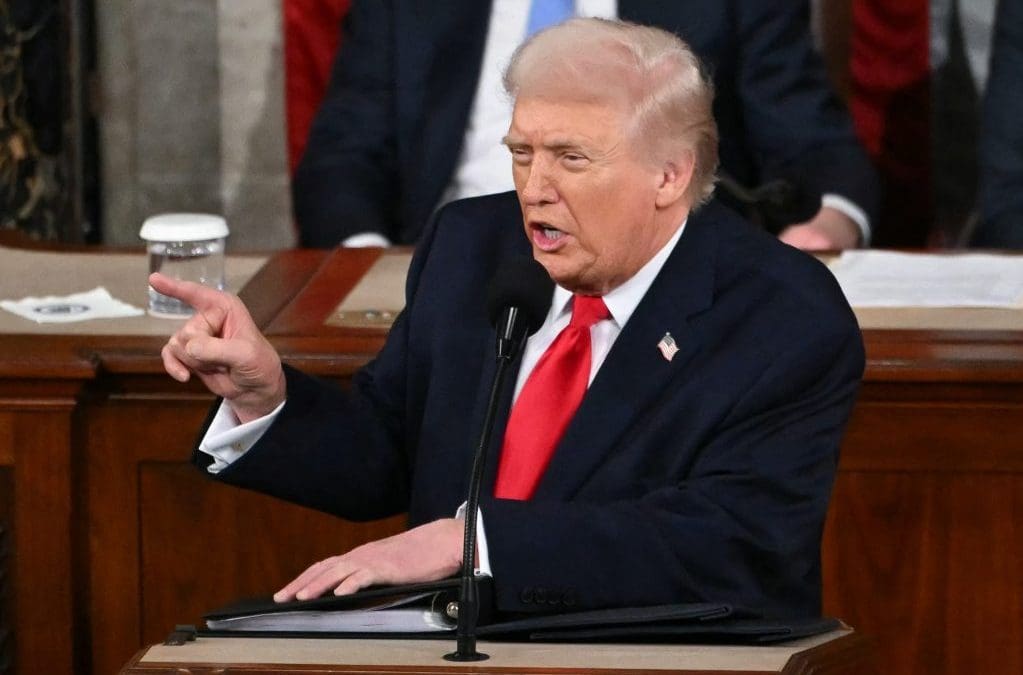
Trump’s State of the Union address delivered grandstanding and grievance politics, but few concrete solutions for Americans facing healthcare crises, economic instability, and ever-widening inequality. While mainstream media commentators fixated on the spectacle, Epstein survivors in attendance were essentially ignored, and key claims on immigration and economic policy went largely unexamined.
Credits:
Written by: Stephen Janis
Produced by: Taya Graham, Stephen Janis
Studio / Post-Production: Cameron Granadino
Transcript
The following is a rushed transcript and may contain errors. A proofread version will be made available as soon as possible.
Taya Graham:
Okay. You might have watched President Donald Trump’s state of the Union and found it difficult to reconcile with what’s actually happening in your life. He said we were in a new golden age, but it doesn’t feel like it for most of us. He said the economy is the strongest ever, but perhaps your actual experience doesn’t jive with that assessment. Well, you’re not wrong and we’re going to prove it. Myself, along with my reporting partner, Stephen Janis, are going to break down what Trump’s speech was missing, mainly the perspective of the people actually living with the consequences of his policies. So we’re going to give you the people’s state of the union breakdown and you won’t want to miss it.
Hello, my name is Taya Graham and welcome to The Inequality Watch, the show where we break down the historic wealth imbalance that defines this country and hold the people who are making it worse accountable. Today we’re going to talk about the state of the union or perhaps more accurately, the state of the oligarchy address, which President Trump gave on Tuesday. Like
by C.J. Polychroniou | Feb 27, 2026 | affordability, Debt, DOGE, Donald Trump, Economy, Interview, Jobs, Tariffs, Tax Cuts, US Dollar
President Donald Trump is boasting about the economy one year into his term. He claims that inflation has been defeated, growth is unprecedented, incomes are rising, and his tariffs are generating hundreds of billions for the U.S. economy. This is all hogwash, according to progressive economist Gerald Epstein, a leading global authority on macroeconomic policy and finance.
Source