by Taya Graham and Stephen Janis | Sep 14, 2026 | Media Criticism, police accountability, Police Accountability Report, Prisons and Policing, video
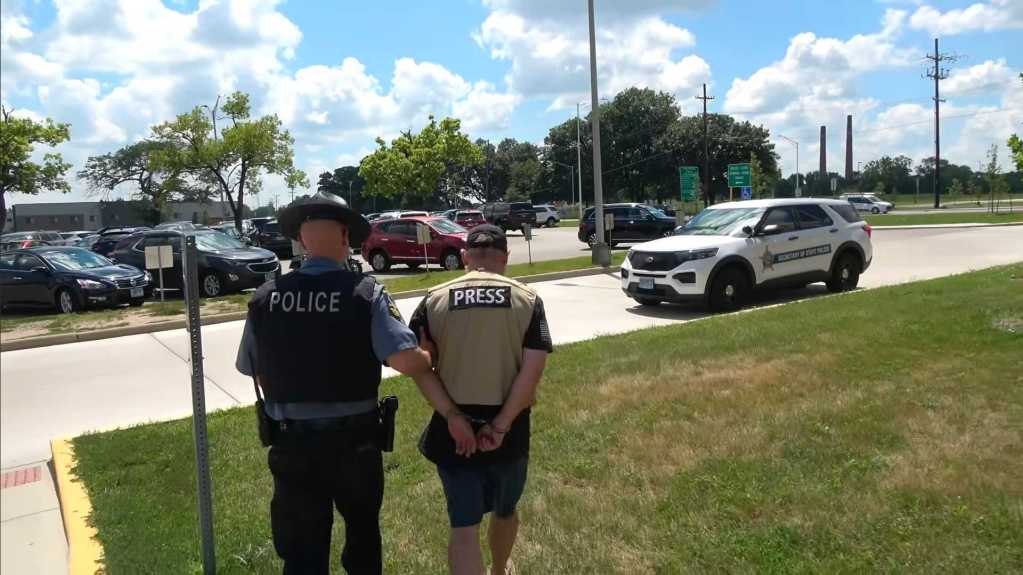
Something strange is happening to the cop-watching community on YouTube. The obvious explanation might be YouTube’s enforcement against repetitive, mass-produced or AI-generated content. But the creators we’re investigating aren’t AI channels. They’re filming police, publishing encounters with public officials and, in some cases, using body-camera footage. So what is happening?
In this live stream, cop watchers and First Amendment activists Rights Crispy and Long Island Audit debate who’s behind this demonetization wave.
Credits:
Pre-production: Taya Graham/Stephen Janis
Written by: Stephen Janis
Production: Cameron Granadino/David Hebden/Maximillian Alvarez
Transcript
The following is a rushed transcript and may contain errors. It will be updated.
Taya Graham:
Hello, my name is Taya Graham and welcome to this breaking news edition of our Police Accountability Report livestream. Now, we decide to do the show because there have been serious widespread disruptions across the 1A and Copwatcher YouTube community, namely a broad and still unexplained demonetization of an array of channels related to both copwatching and First Amendment auditing. Whether this is targeted, random, part of YouTube’s overhaul to its partnership system, what it means for some very popular activists is what we will unpack today. And to help us, we’ll be joined by two influential copwatchers, Long Island Audits, also known as Sean Paul Reyes and Wright’s Crispy or Finn Vargas. Both have been instrumental members of the Copwatcher movement and both have been affected by YouTube’s mysterious move to end their ability to monetize their content, at least on YouTube for now. But before I get to them, I want to check in with my reporting partner, Steven Janis, who has been researching and reporting on what’s happening.
So Stephen, thank you for joining
by Taya Graham and Stephen Janis | Sep 14, 2026 | police accountability, Police Accountability Report, Policing, Prisons and Policing, video
After five years behind bars and in Colorado’s correctional system, controversial cop watcher Eric Brandt is free.
In his first interview following his release, Brandt joins the Police Accountability Report to talk candidly about prison, the sentence that changed his life, his regrets, the supporters who stood by him and whether he still believes in the movement that made him one of America’s most notorious police accountability activists.
Brandt also reflects on his role in helping establish the right to film police in the 10th Circuit and answers a question his critics have been asking for years: did Eric Brandt go too far?
Love him or hate him, this is a side of Eric Brandt few people have seen…Please watch this exclusive interview with Police Accountability Report hosts Taya Graham and Stephen Janis.
Credits:
Pre-production: Taya Graham/Stephen Janis
Written by: Stephen Janis
Production: Cameron Granadino
Post-production: Stephen Janis
Transcript
The following is a rushed transcript and may contain errors. It will be updated.
Taya Graham:
Hello, this is Taya Graham and welcome to this breaking news edition of the Police Accountability Report. Now, as I always make clear, this show has a single purpose, holding the politically powerful institution of policing accountable. And to do so, we don’t just focus on the bad behavior of individual cops. Instead, we examine the system that makes bad policing possible. But today, we will achieve that goal with a little bit of a twist and a surprise, an exclusive interview with a controversial cop watcher who was just released from a halfway house in Colorado after spending five years behind bars. His name is Eric Brandt. He’s a Denver activist and advocate for the homeless,
by Mansa Musa | Aug 17, 2026 | Black Panthers, Prisons and Policing, Rattling the Bars, The Cultural Front, video
How are hip hop and Black Liberation connected? In this special Black August edition of Rattling the Bars, former political prisoner and Black Panther Mansa Musa sits down with artist, producer, and “Panther Cub” Mopreme Shakur on the rooftop of a hotel in the nation’s capital. Together, they explore Shakur’s memoir, This Thug’s Life, tracing the trajectory from the rise and fall of Black Power to the birth of hip hop through the eyes of the son of a Panther and the stepbrother of a legend.
Additional links/info:
Mopreme Shakur, Penguin Random House, This Thug’s Life: An Unapologetically Black Story
Credits:
Producer / Videographer / Editor: Cameron Granadino
Transcript
The following is a rushed transcript and may contain errors. It will be updated.
Mansa Musa:
Welcome to this district rather than your host Mansa Musa. Today we are joined by Mopreme Shakur, the son of the late great political prison with Tulu Shakur and the older stepbrother of the legendary rapper Tupac Shakur. Mopreme has recently published a memoir titled This Thug Life: A Poet Narrative Spanning the Rise of the Black Liberation Movement, The Birth of Hip-Hop in New York, and its expansion to the West Coast. Mopreme, thank you for joining
Mopreme Shakur:
Us. What’s happened, Kevin?
Mansa Musa:
Appreciate you though. I know they got you on Hustle and Bustle, and this is a good thing. What compelled you to write this particular memoir?
Mopreme Shakur:
Well, I am Mopreme Shakur, Thug Life Outlaw, Immortal. I am the son of Dr. Matou Shakur, stepson of Afeni Shakur, brother of Tupac Shakur, nephew of Asada Shakur. That’s my fam, as well as my sister Setua. A lot of people are familiar with
by Mansa Musa | Aug 10, 2026 | Prison Industrial Complex, prison reform, Prisons and Policing, Rattling the Bars, video
Effective public safety policy is founded on preventing crime and repairing harm, but these are not the foundations of America’s reactionary criminal justice establishment. This week on Rattling the Bars, we host a roundtable discussion about the DC Justice Lab’s 2026 Public Safety Policy Agenda, which has been endorsed by 30 progressive organizations working directly with system-impacted individuals, and about criminal justice reforms that would ensure safer communities through restorative justice, not draconian punishment.
Additional links/info:
DC Justice Lab website, Facebook page, X page, and Instagram
DC Justice Lab, 2026 DC Public Safety Policy Agenda
Credits:
Producer / Videographer / Editor: Cameron Granadino
Transcript
The following is a rushed transcript and may contain errors. It will be updated.
Mansa Musa:
Welcome to this edition of Rattling the Bars, I’m your host, Mansa Musa.
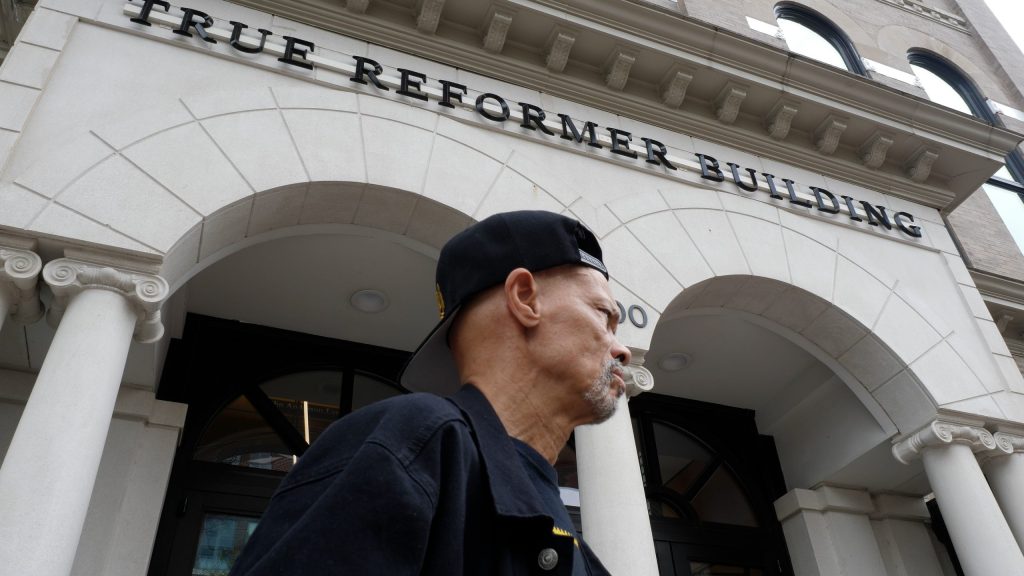
Today we are at the True Reformer Building talking to representatives from DC Justice Lab. I’m talking to Clinique Chapman, CEO, Bethany Young, the policy director. We’re here to discuss a roadmap for a safer and more equitable District of Columbia through the lens of the public safety policy agenda that DC Justice Lab has developed. Welcome to Rattling the Bars.
Clinique Chapman:
Thank you. We’re happy to be here.
Mansa Musa:
OK. Let’s start with transparency and technology. Clinique and Bethany, your agenda highlights surveillance oversight and the need for virtual testimony from the jail. Why are these two so critical for ensuring the justice system remains accountable to public safety and accessible to those inside? And when we talk about the virtual, for the benefit of our audience, DC Code Defenders can vote. And because DC Code Defenders can vote, they also should have the right. I think this
by Taya Graham and Stephen Janis | Aug 6, 2026 | AI, Economy, Economy and Inequality, Inequality Watch, Politics and Movements: US, video
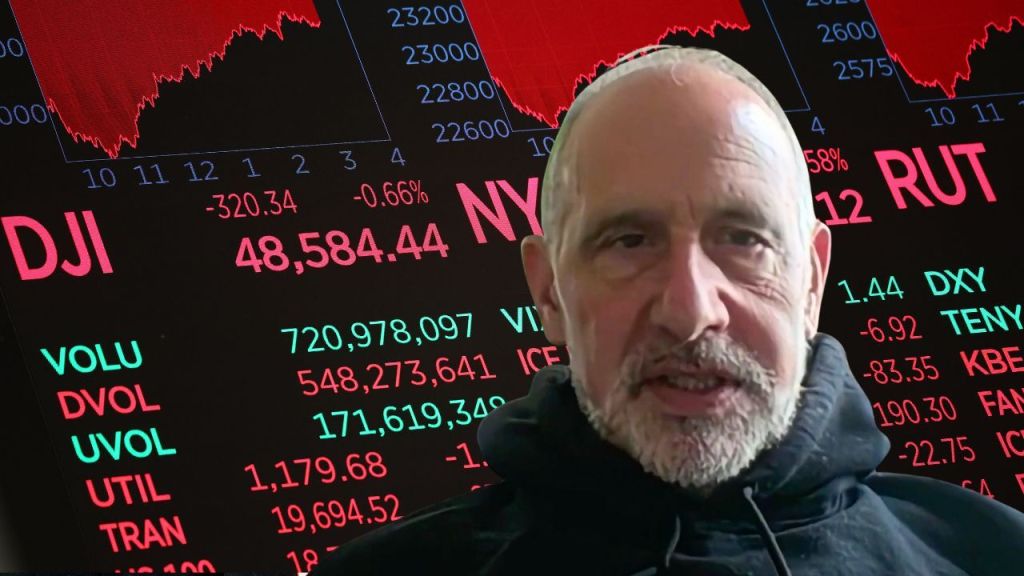
Economist Dean Baker (Center for Economic and Policy Research, author of Rigged and creator of the AI Bubble Monitor) joins Taya Graham and Stephen Janis to break down why the productivity data doesn’t match the hype, why Palantir’s CEO seemed to be panicking on live TV, why Bernie Sanders’ AI sovereign wealth fund idea might backfire, and what signs to watch for if this bubble bursts.
Credits:
Transcript
The following is a rushed transcript and may contain errors. It will be updated.
Taya Graham:
Hello, my name is Taya Graham and welcome to the Inequality Watch Report, a show that examines government policy and action through the lens of extreme economic inequality, the existential issue of our time. Today, we’re going to discuss a technology which we’ve been told will transform our lives, an invention that has been touted as the ultimate arbiter of our collective futures, whether we like it or not. Of course, I’m talking about artificial intelligence, but with the promise also comes doubt and questions and most of all, a lack of clarity on how we’ll impact the working people of this country. AI leaders have casually warned us that their products could eliminate 40 to 50% of white collar jobs more than the losses in the Great Depression. They’ve promised that technology will be so disruptive that even staunch capitalists have discussed providing a UBI or universal basic income for Americans who will be left out.
They’ve borrowed money at such predigious rates to fund data centers that even Wall Street is beginning to just say no. And now some of the biggest names are saying it’s not working out as
by Mansa Musa | Aug 3, 2026 | Politics and Movements: US, Prison Industrial Complex, prison reform, Prisons and Policing, Rattling the Bars, video, Washington
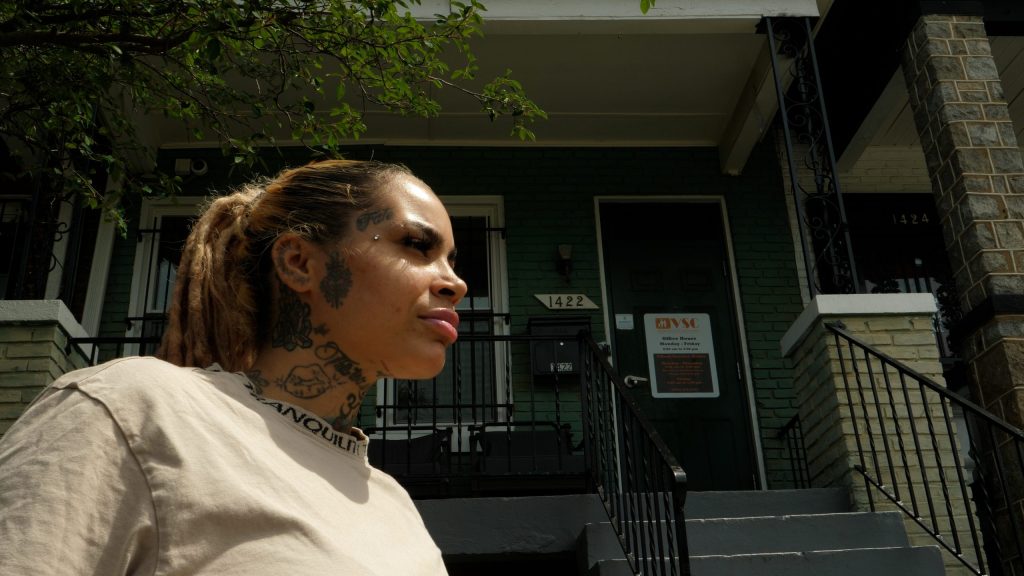
In part two of our series on conservative attempts to use D.C. as a testing ground for harsh criminal justice policies, Rattling the Bars host Mansa Musa sits down with Chelsea Canterbury and Eric Franklin of Voices for a Second Chance. They discuss the danger of proposed measures—including charging 14-year-olds as adults, increasing mandatory minimums, repealing the Second Look Act, and reinstating cash bail—and explain why doubling down on mass incarceration won’t make the city safer.
Additional links/info:
Voices for a Second Chance Instagram
Sarah Staudt, Prison Policy Initiative, “Bad Omens: Reform rollbacks in Washington D.C. are a warning sign for state-level advocates”
Credits:
Producer / Videographer / Editor: Cameron Granadino
Transcript
The following is a rushed transcript and may contain errors. It will be updated.
Mansa Musa:
We’re here in Washington DC, Massachusetts Avenue at Voices for a Second Chance. We’re talking about Congresses introducing certain bills to roll back progressive laws that impact District of Columbia residents. One such law is the Second Chance Act. The Second Chance Act has been very instrumental in allowing people to get out of prison after they demonstrate they have changed, but Congress want to change that. You’ll hear different testimonies today about how these things impact everyday citizens, people that want to do right. Stay tuned. Joining me today is Chelsea Canterbury. Chelsea Canterbury, welcome to Rattling the Bars. Hi,
Chelsea Canterbury:
Hi. Welcome. Thank you. All
Mansa Musa:
Right. So today we are in front of Voices for a Second Chance service organization in the District of Columbia. And full disclosure, I actually work here. Chelsea Canterbury is, and I’ll call her Chelsea from here on out. Chelsea is a case manager here