by Mansa Musa | Mar 2, 2026 | Politics and Movements: US, Prison Industrial Complex, prison reform, Prisons and Policing, Rattling the Bars, video
The term “mass incarceration” is inaccurate and misleading, Distinguished Professor and author Dylan Rodríguez says: “The masses are not being policed, targeted, and incarcerated; it’s a targeted war with asymmetrical casualties.” In this episode of Rattling the Bars, Rodríguez speaks with former political prisoner and Black Panther Mansa Musa about the horrifying truth behind the US prison-industrial complex—and about the “pseudo-abolitionist” politics that often dilute the power of radical movements trying to dismantle it.
Guests:
Dylan Rodríguez is a teacher, scholar, organizer, and collaborator who has worked at the University of California-Riverside since 200. He is a Distinguished Professor in the recently created Department of Black Study as well as the Department of Media and Cultural Studies. He is the author of three books: Forced Passages: Imprisoned Radical Intellectuals and the U.S. Prison Regime; Suspended Apocalypse: White Supremacy, Genocide, and the Filipino Condition; and White Reconstruction: Domestic Warfare and the Logic of Racial Genocide, which won the 2022 Frantz Fanon Book Award from the Caribbean Philosophical Association.
Additional links/info:
Mansa Musa, Ratting the Bars / TRNN, “Manifest Destiny never ended: the domestic war for white supremacy”
Credits:
Producer, Videographer, Editor: Cameron Granadino
Transcript
The following is a rushed transcript and may contain errors. A proofread version will be made available as soon as possible.
Mansa Musa:
Talk about what is your critique on mass incarceration and how it is a narrative for white reconstruction.
Dylan Rodríguez:
So it’s important that I start from this statement, which is that Mansa, you’ve heard me say this before, I think in other context we got to stop using the phrase mass incarceration. We got to stop using it. And there’s a couple reasons why. One
by Mansa Musa | Feb 27, 2026 | Economy, Economy and Inequality, history, Politics and Movements: US, Racial Justice, Rattling the Bars, video
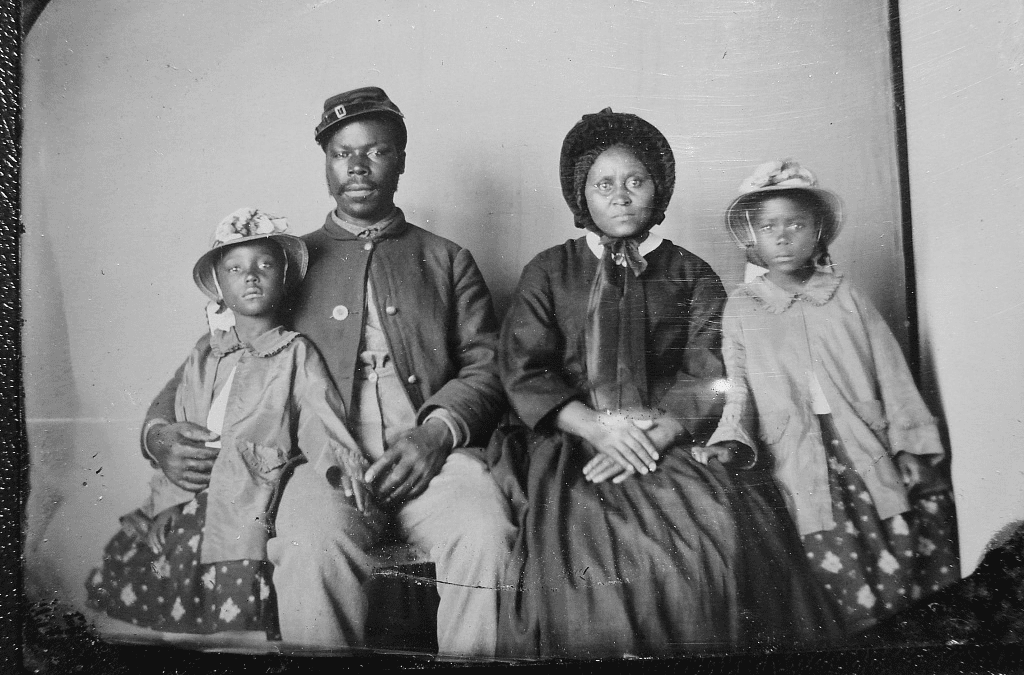
How did the promise of Black wealth become a tool for white elites? In this Black History Month special of Rattling the Bars, Mansa Musa speaks with UVA professor and author Justene Hill Edwards about the tragic history of the Freedman’s Bank. They dive into the economic intelligence of enslaved people and how they navigated the inherent violence of the slave economy. Professor Hill Edwards also breaks down the betrayal detailed in her book, Savings and Trust, revealing how a bank built for the formerly enslaved was redirected to fund D.C. infrastructure and white elite interests.
Resource Links:
Get the book at this link on bookshop.com
Professor Hill Edwards’ website
Follow Hill Edwards on X
Reviews of Hill Edwards’ latest book:
“This is a revealing history of banking innovation and experimentation, the financial acuity of Black men and women, corruption among powerful trustees, and the failure of Congressional oversight that feels all too familiar in our own era of bank failures, governmental dysfunction, and financial malfeasance. Justene Hill Edwards argues convincingly that the Freedman’s Bank debacle that lost millions of dollars earned and saved by hardworking, self-sacrificing, recently enslaved people is another little-known cause of the contemporary racial wealth gap.” – Tiya Miles, National Book Award-winning author of All That She Carried: The Journey of Ashley’s Sack, a Black Family Keepsake
“Savings and Trust, in beautifully written and accessible prose, is a must-read that offers crucial context for understanding the economic plight of formerly enslaved people after the Civil War, racial capitalism, the racial wealth gap, and contemporary calls for reparations.” – Stephanie E. Jones-Rogers, author of They Were Her Property: White Women as Slave Owners in
by Taya Graham and Stephen Janis | Feb 27, 2026 | Economy, Epstein, immigration, Inequality Watch, Politics and Movements: US, Trump, video
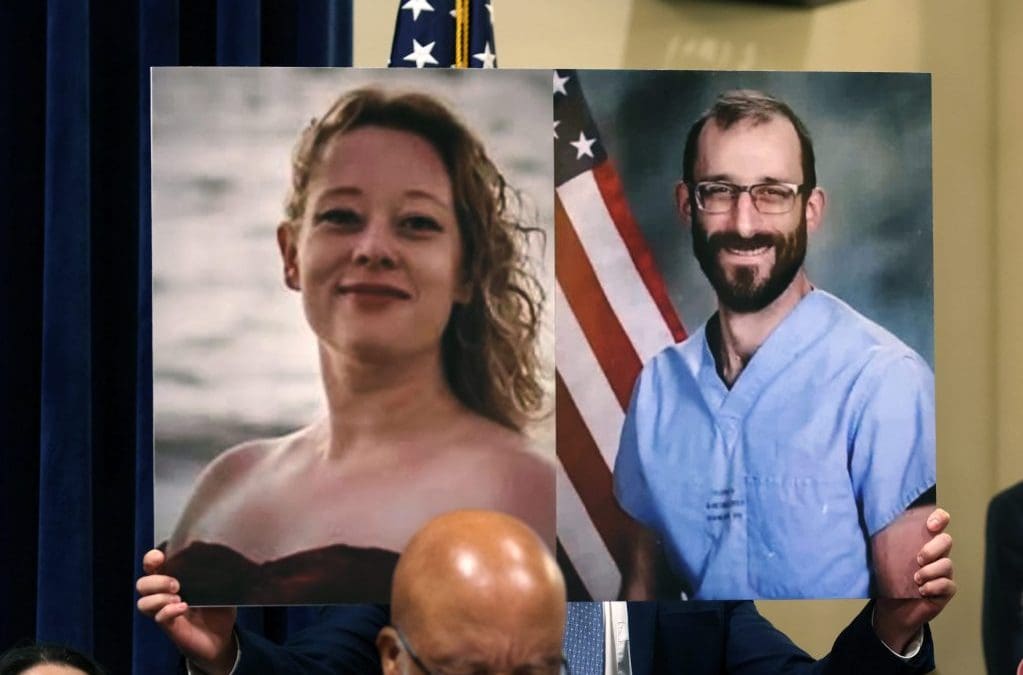
Trump’s State of the Union address delivered grandstanding and grievance politics, but few concrete solutions for Americans facing healthcare crises, economic instability, and ever-widening inequality. While mainstream media commentators fixated on the spectacle, Epstein survivors in attendance were essentially ignored, and key claims on immigration and economic policy went largely unexamined.
Credits:
Written by: Stephen Janis
Produced by: Taya Graham, Stephen Janis
Studio / Post-Production: Cameron Granadino
Transcript
The following is a rushed transcript and may contain errors. A proofread version will be made available as soon as possible.
Taya Graham:
Okay. You might have watched President Donald Trump’s state of the Union and found it difficult to reconcile with what’s actually happening in your life. He said we were in a new golden age, but it doesn’t feel like it for most of us. He said the economy is the strongest ever, but perhaps your actual experience doesn’t jive with that assessment. Well, you’re not wrong and we’re going to prove it. Myself, along with my reporting partner, Stephen Janis, are going to break down what Trump’s speech was missing, mainly the perspective of the people actually living with the consequences of his policies. So we’re going to give you the people’s state of the union breakdown and you won’t want to miss it.
Hello, my name is Taya Graham and welcome to The Inequality Watch, the show where we break down the historic wealth imbalance that defines this country and hold the people who are making it worse accountable. Today we’re going to talk about the state of the union or perhaps more accurately, the state of the oligarchy address, which President Trump gave on Tuesday. Like
by Mansa Musa | Feb 23, 2026 | ICE, Minneapolis, Politics and Movements: US, Prisons and Policing, Rattling the Bars, video, White Supremacy
From the very beginning, the United States of America has been at war—not just abroad, but domestically. In this episode of Rattling the Bars, host Mansa Musa speaks with scholar and author Dylan Rodriguez about how the US operates as a nation in a perpetual state of internal war, and how the white supremacist legacy of domestic warfare has reached terrifying new heights in the Trump era.
Resource Links:
Purchase Dylan Rodriguez’s book White Reconstruction
Revolt against the carceral world
COVID-19 pandemic illuminates anti-Chinese racism and xenophobia
Why corporate media doesn’t talk honestly about racism
Credits:
Producer / Videographer / Editor: Cameron Granadino
Transcript
The following is a rushed transcript and may contain errors. A proofread version will be made available as soon as possible.
Mansa Musa:
Welcome to this edition of Rattling the Bars. I’m your host Mansa Musa. In this country, in the United States of America. If we was to put alongside of Germany or any other fastest totalitarian government, it would not be no difference in comparison in this country. Today, we find ourselves in a place where we’re in the constant police, in the form of what they call ICE or any other police force. We find ourselves in a situation where all the institutions that’s in this country right now is being dismantled to the point where people don’t have no jobs, people can’t afford medical people are being forced into homelessness. In the face of all this, we find ourselves at the crossroad of making analysis of what this is and how do we go forward. Joining me today is a Dylan Rodriguez, professor of Media and Culture Studies and UC Riverside and one
by Taya Graham and Stephen Janis | Feb 20, 2026 | ICE, police accountability, Police Accountability Report, Politics and Movements: US, Prisons and Policing, video
Are we protecting communities or redefining rights as optional? Join reporters Taya Graham and Stephen Janis for this special Police Accountability Report and conversation with three voices who have spent years documenting government power up close: James Freeman, Ismael Rincon, HBO Matt.
Credits:
Written by: Stephen Janis
Produced by: Stephen Janis, Taya Graham, David Hebden
Transcript
A transcript will be provided when ready.
by Taya Graham and Stephen Janis | Feb 18, 2026 | AI, big tech, Inequality Watch, The Cultural Front, video
ChatGPT4o parent company Anthropic AI already has multiple lawsuits filed against it due to multiple grieving families alleging their loved ones committed suicide or even murder due the chat bots affirmation of delusions, paranoia and even isolating them from friends families and outside help. But there is another problematic aspect to AI which is underreported and underestimated the impact of AI Sycophancy on the overall emotional and mental health and well being of human beings and their relationships– and perhaps the very future of humanity.
Credits:
Studio/Post-Production: David Hebden
Written by: Stephen Janis, Taya Graham, Amanda Scherker
Transcript
The following is a rushed transcript and may contain errors. A proofread version will be made available as soon as possible.Taya Graham:
If someone told a teenager whose parents were trying to limit his screen time, that he should consider murdering them. You’d probably think they weren’t a great source of relational advice. If someone told a man who had come to believe he lived inside a matrix to stop taking his prescribed medications and increase his ketamine use all while cutting off contact with family and friends, you probably consider them pretty manipulative. If someone started calling you a divine messenger from God after just one hour of conversation, you might wonder if they weren’t just a little bit sycophantic. What I mean is that AI acts like your best friend even when you’re trying to figure out how to harm yourself. And that’s a big problem that the AI industry is simply brushing off and for good reason. I’ll provide some links to videos below as well as a lawsuit by the families who lost their