by Maximillian Alvarez | Sep 28, 2026 | ICE, Maryland, police accountability, Politics and Movements: US, Prisons and Policing, Racial Justice, video
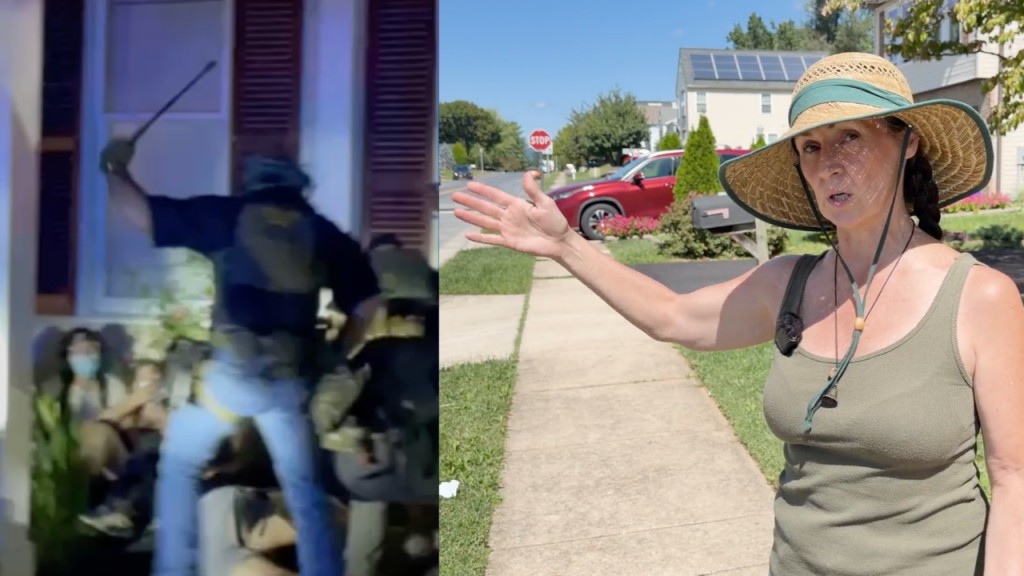
Residents are shaken and demanding answers after ICE agents terrorized a quiet, suburban neighborhood in Frederick, Maryland, earlier this month. On September 4, federal agents swarmed the Tasker’s Chance neighborhood in West Frederick, invaded the home of one family, and eventually left without making any arrests. ICE agents were filmed beating peaceful protestors and menacingly driving their unmarked cars onto sidewalks and private property while local police officers stood by and watched. In this on-the-ground report, TRNN takes you to the very spot in Frederick where these terrifying events transpired, and we speak with an eyewitness who saw everything.
Credits:Videography: Maximillian AlvarezPost-Production: Cameron Granadino
Transcript
The following is a rushed transcript and may contain errors. It will be updated.Reporter 1:
Breaking story in Frederick. We have been told that ICE agents have been camped out in the Taskers Chance neighborhood. Neighbors
Reporter 2:
Say ICE has made a move on one home under the cover of night. That’s exactly what you are seeing right now.
Soolah:
There were protestors next to me. There are protestors across the street. And then I turned to this car and it was right here. And then I heard out of the side, the siren go off and I turned and here’s this car coming at me from on the sidewalk. By
Reporter 1:
Friday night, protestors were chanting on the sidewalk, also trying to block the street and a home they believed ICE was targeting. That’s when Santos says ICE became aggressive. This video shows when an ICE officer drove up on the sidewalk toward protestors. Santos and local activist Sula Kemp say ICE officers became violent.
Maximillian Alvarez:
I’m standing here in Frederick, Maryland, just
by Taya Graham and Stephen Janis | Sep 22, 2026 | Abortion, Article, police accountability, Police Accountability Report, Prisons and Policing
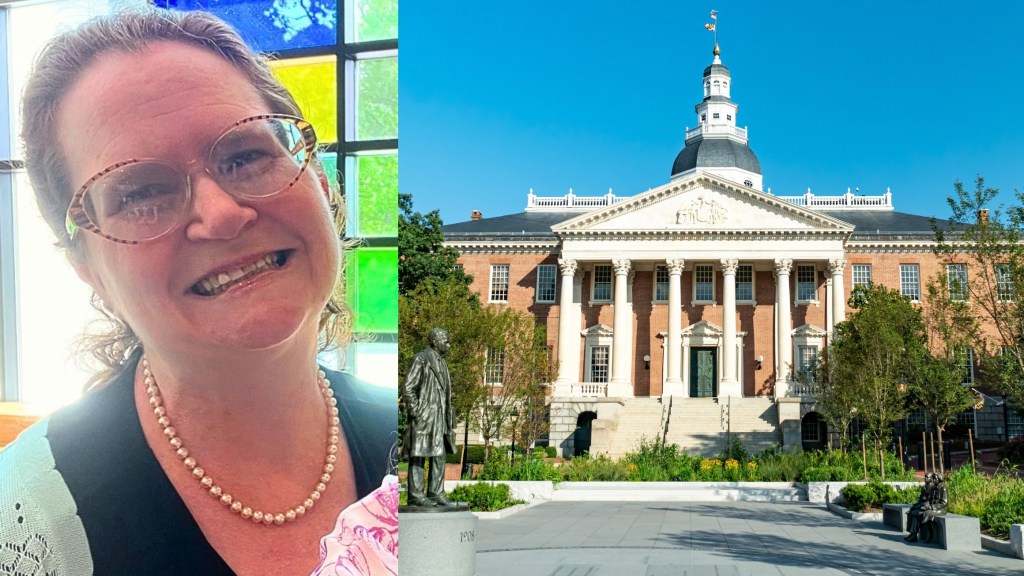
Moira Akers was prosecuted and convicted of the murder of a newborn in 2022. She claims to have given birth to a stillborn baby in her home in Columbia, Maryland, in 2018.
Prosecutors doubted Akers’ story, using her online searches for abortion services and lack of prenatal care as evidence of ill intent. But it was a “forensic method” devised in the 17th century that proved key to Akers’ conviction.
The method, known as a “float test,” was designed to determine if a baby was stillborn or born alive by placing the lungs of a deceased fetus in water. If the lungs float, then they are aerated, meaning the baby was breathing and alive prior to their death.
In 2018, former Maryland chief medical examiner Dr. David Fowler signed the autopsy report that, using the float test as proof, determined that Akers’ baby died after Akers asphyxiated it. Fowler also testified in Akers’ trial. Prosecutors used Fowler’s testimony and autopsy report as evidence to convict Akers of second-degree murder in 2022.
Similar to Fowler’s infamous 2021 testimony in the trial of former Minneapolis police officer Derek Chauvin, in which he argued that George Floyd died due to drug intoxication and inhaling fumes from a car tailpipe, Fowler’s citation of the float test in Akers’ case has elicited criticism from the medical community.
Fowler was also the subject of a scathing audit released by the Maryland Attorney General’s office last year, which found that at least 36 cases involving deaths that occurred during police restraint were improperly ruled accidents or left unclassified during his tenure
The float test has been widely discredited as imprecise and lacking methodological
by Mansa Musa | Sep 15, 2026 | Civil Rights, Politics and Movements: US, Prison Industrial Complex, prison reform, Prisons and Policing, Rattling the Bars, video
After running a historic campaign to unseat a criminal court judge for the first time in Nashville, Courtney Teasley created the legal education company emeffen to inform working-class communities about their civil rights. From combating police abuse to supporting vulnerable populations targeted by the criminal justice system, Teasley is a business and legal powerhouse redirecting people toward civic engagement and political-economic acumen. In this heartfelt interview, Mansa Musa and Courtney Teasley discuss grounded community organizing and political education that subverts the carceral system’s goal of turning citizens into captives.
Related links:
Follow Courtney Teasley on Youtube, TikTok, Instagram, website.
Credits:
Production/Post-production: Cameron Granadino
Transcript
The following is a rushed transcript and may contain errors. It will be updated.
Mansa Musa:
Welcome to this edition of Rattling the Bars. I’m your host, Mansa Musa. Today we are joined by Courtney Teasley, who consider herself and identify herself as a legal disruptor and justice strategist. We’ll be discussing her perspective on how she is intervening in the criminal injustice system and her work challenging the prison industrial complex as it exists today. Thank you, Courtney. Welcome to Rattling the Bars.
Courtney Teasley :
Thank you so much for having me. I’m really excited. I’ve heard a lot about this podcast, and so thank you so much for this opportunity to talk to your audience.
Mansa Musa:
Okay. Let’s start by introduce yourself to our audience and tell our audience how you came into this space, but more importantly, what is a legal disruptor and a justice strategist? What’s your identity as how you identify those things? So tell us a little bit about yourself.
Courtney Teasley :
Yes. So my name is Courtney Teasley. I am
by Brad Reed | Sep 15, 2026 | Article, Honduras, Latin America, Politics and Movements: International, Politics and Movements: US, Prisons and Policing, Reprint, Trump, war on drugs
by Mansa Musa | Sep 15, 2026 | baltimore, Policing, Politics and Movements: US, Prisons and Policing, Rattling the Bars, video
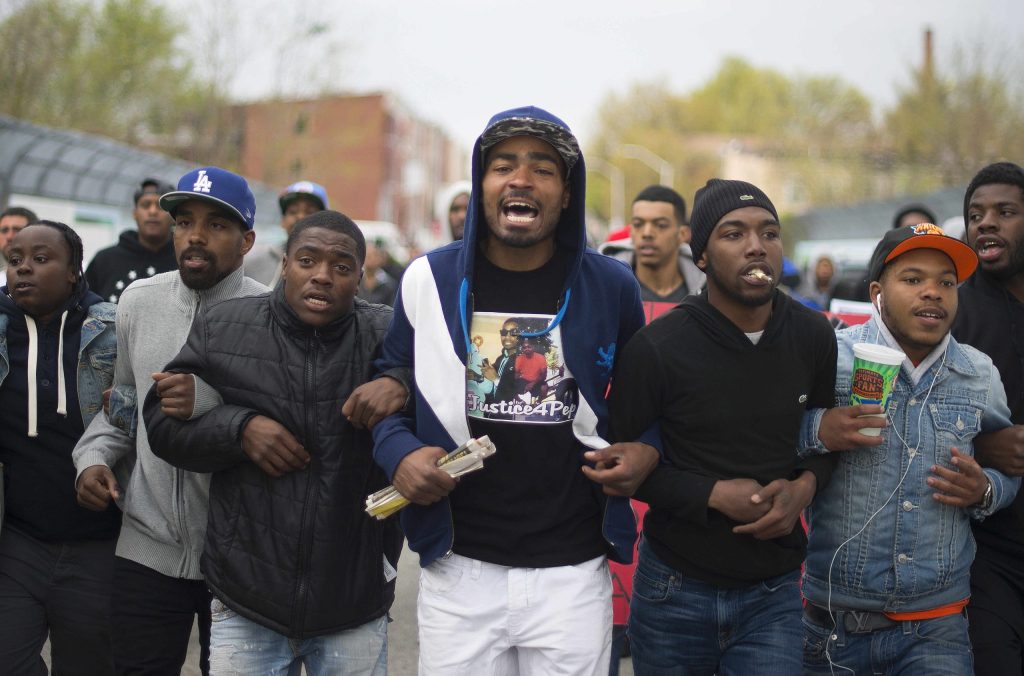
On August 8th at the Real News Studio, a screening of the new documentary Beyond the Wire—directed by filmmaker Dr. S. Rasheem—was followed by a panel discussion featuring seasoned conflict mediation organizers from the film. The participants explored their grassroots efforts to challenge the corporate media establishment’s heavy emphasis on crime—which drives city policy and the local economy—and redefine Baltimore’s historical present as a city of abolition.
Credits:
Videographer: Cameron Granadino/David Hebden
Editor: Cameron Granadino
Transcript
The following is a rushed transcript and may contain errors. It will be updated.
Speaker 1:
I’m going to be super brief. I largely just want to, again, thank everyone for coming out. I’m the producer of this film, but I’m sure you guys know you can’t do something like this by yourself, right? So I want to also thank the Baltimore Legacy Project Youth Crew who’s outside, who took your. I mean, they’ve just been really on point getting B-roll setting up. Really appreciate them a lot. Also, the folks that you saw in the film, thank you so much for trusting me with your voice, your story. I don’t take that lightly. And when I say you don’t do it by yourself, one of the. Oh, I also want to shout out. She’s not in here, but the narrator is actually here too. She’s part of Baltimore Legacy Project Youth Crew in the front. Her name’s Empress. Yep. But someone who is definitely in the thick of all of this with me is there’s several cinematographers, but there was one person who was the lead cinematographer, more or less the director of photography on this project.
They were also the
by Mansa Musa | Sep 15, 2026 | baltimore, Prisons and Policing, Rattling the Bars, video
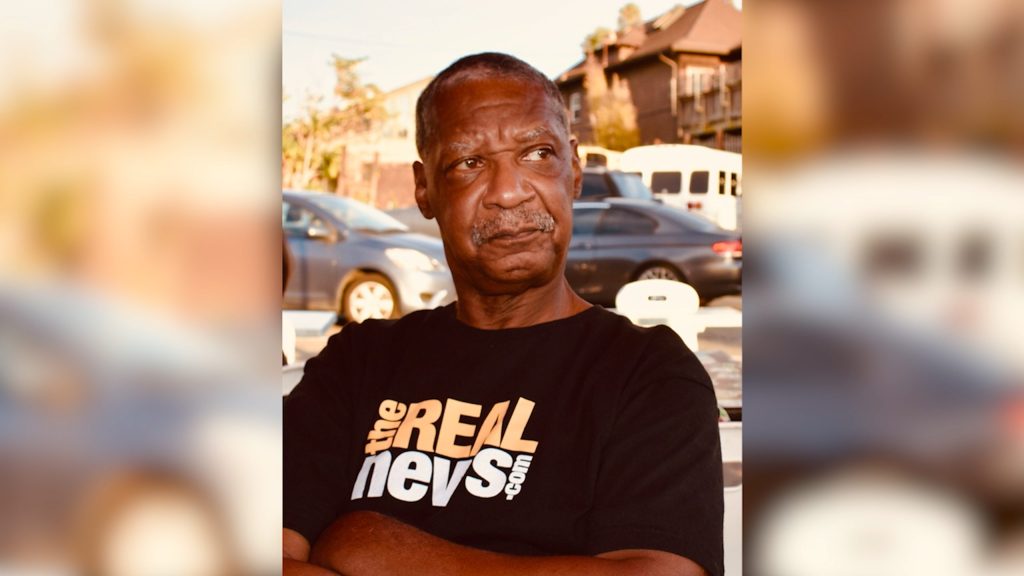
Author and community organizer Dominque Conway has transformed a house at the epicenter of the 2015 Baltimore uprising into “Eddie’s Front Porch,” a people’s museum dedicated to preserving the remarkable legacy of her late husband, Eddie Conway. To mark the opening of the museum, this special episode of Rattling the Bars features host Mansa Musa sitting down with Dominque to discuss the project and Eddie’s enduring impact.
The conversation also highlights perspectives from formerly incarcerated organizers who worked alongside Eddie inside Maryland prisons and are now building community power on the ground in West Baltimore. Together, they share powerful stories celebrating the man, the myth, and the legend behind the movement.
Credits:
Production: Maximillian Alvarez
Post-production: Cameron Granadino
Transcript
The following is a rushed transcript and may contain errors. It will be updated.Mansa Musa:
So we are here at Eddie Conway’s front porch, which is, we call it People’s Museum. I’m here with Dominque Conway, the wife of Eddie Conway. Tell our audience what Eddie Conway meant to you or who was Eddie Conway to you?
Dominque Conway:
That’s really, that’s hard to sum up, to be quite honest. Eddie was so many things to me and so many other people, but Eddie was, quite honestly, he was my hero as he was to many other people. He was a Black Panther. He was somebody who also served 44 years in the Maryland prison system and didn’t allow that time to break him. During that time, Eddie worked with hundreds of men in the prison system, many of whom have come out and done their own programming and continued to do really great things in the community. So at