


Brazil’s Lula wins ‘historic victory’ against right-wing Trump ally Flávio Bolsonaro
‘Good day for Democracy’: Lula’s win in Brazil and Serbia ousting Vučić show strength of ‘people power’
This story originally appeared in Common Dreams on Oct. 26, 2026. It is shared here under a Creative Commons (CC BY-NC-ND 3.0) license.
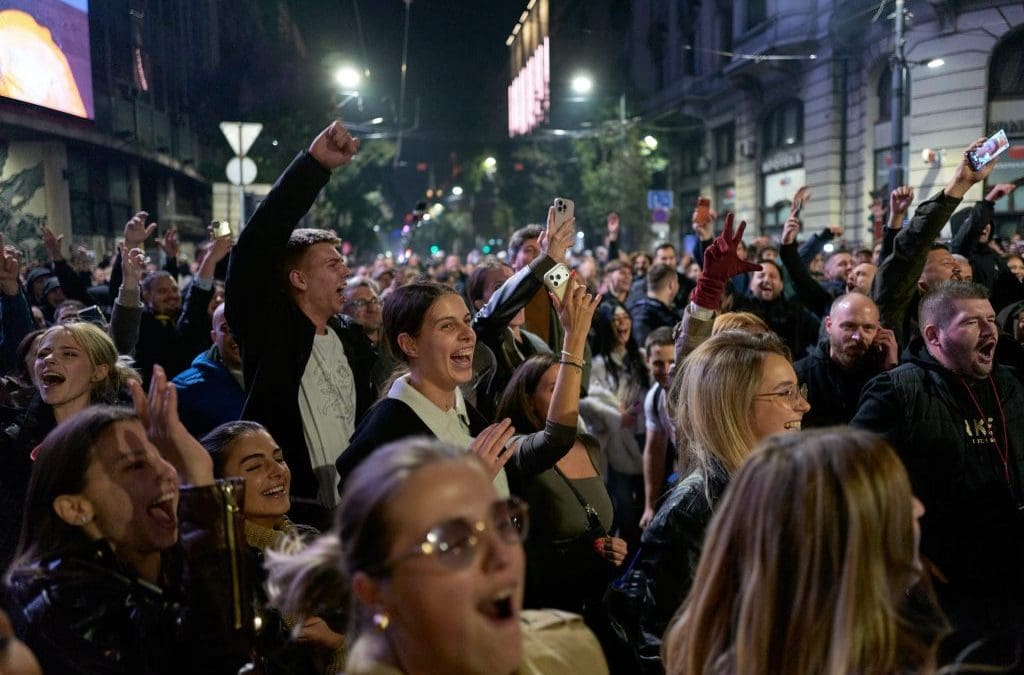
“There is nothing inevitable about the far right,” said one former Obama administration official Sunday night as supporters of the left-wing Student List in Serbia poured into the streets of Belgrade and other cities across the Balkan country, celebrating their defeat of right-wing President Aleksandar Vučić, who has led the nation for nearly a decade and has been accused of corruption and autocratic rule.
The Student List’s victory coincided with that of Brazilian President Luiz Inácio Lula da Silva, who was also backed by a student-led movement that marched through Rio de Janeiro and other cities in recent weeks, as US President Donald Trump was accused of election interference on behalf of right-wing Sen. Flávio Bolsonaro, Lula’s opponent.
Both countries reported high voter turnout in the pivotal elections, proving, as journalist Anne Applebaum said, “that voters can alter what feels like a historical shift.”
In years of genocidehope came from the youngIn Serbia2 yrs of youth-led protest -integrity, unity, perseverance- brought changeToday that hope is a rainbowits far end in BrazilMay it shinewherever wounds run deepand the young are fighting the oldHumanity will prevail pic.twitter.com/jKA6n4EmFR— Francesca Albanese, UN Special Rapporteur oPt (@FranceskAlbs) October 26, 2026
In Serbia, Vučić said it was “clear that we have lost the election,” as results showed his Serbian Progressive Party (SNS) had won about 105 seats while the Student List had won at least 135.
The Student List movement, officially registered by the Republic Electoral Commission as “Studentska lista—Studenti pobeđuju” (Student List—Students Win) began in November 2024 after the concrete
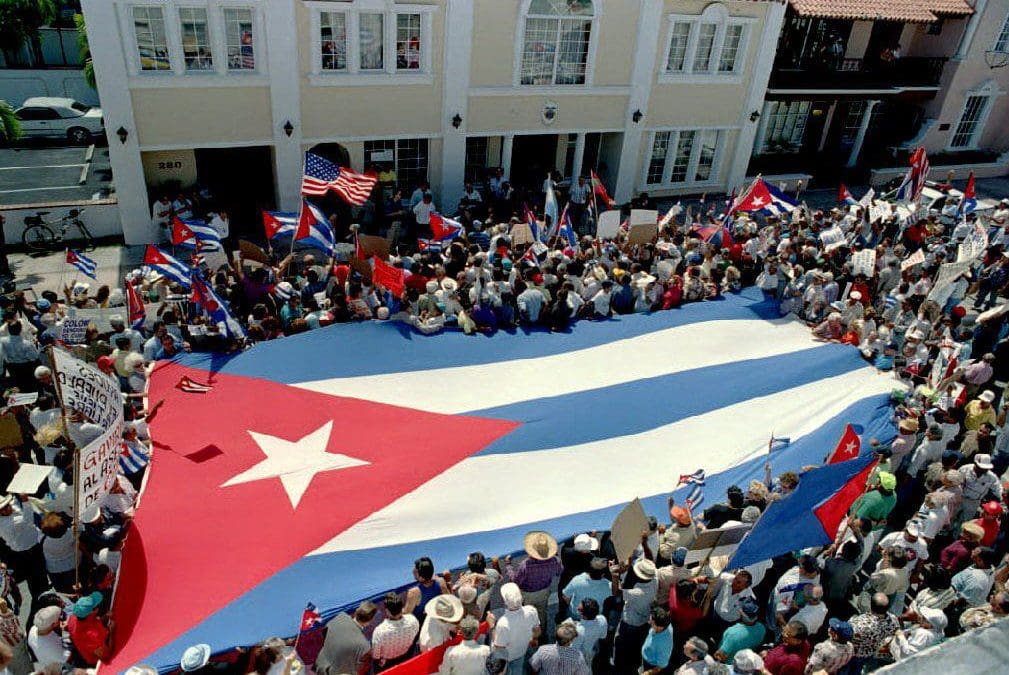
Once upon a time in Miami: The heartland of Latin American counter-revolution
In this episode of Rattling the Bars, Mansa Musa speaks with Dr. Kimberly Dawn Miller, Co-Coordinator of the Haiti/Americas Team for the Black Alliance for Peace. They examine geopolitical relations and the unfiltered history of U.S. imperialism in the Caribbean—including economic warfare against Cuba, the state of Florida’s recent arrest warrant for former Cuban leader Raúl Castro, Trump and JD Vance’s racist criminalization of Haitians, and over a century of capitalist resource extraction and regime change in Haiti.
The Black Alliance for Peace in Miami, organizing alongside the Miami Coalition, seeks to end the blockade against Cuba. October 24–31 marks the Cuba Week of Action against the U.S. chokehold on Cuba, leading up to the International and National Day of Action on October 28. This aligns with the United Nations’ annual vote, where the international community will once again vote on the U.S. embargo on Cuba.
Credits:
Production/Post-production: Cameron Granadino
Transcript
The following is a rushed transcript and may contain errors. It will be updated.
Mansa Musa:
Welcome to Rattling the Bars. I’m your host, Mansa Musa. At Rattling the Bars, we examine the prison industrial complex, both domestically and internationally. Miami floor sits at the direct intersection of US imperialism across the Caribbean and Latin America. Joining me today is Dr. Kim Miller, an organizer in Miami fighting to end sanctions and the embargo on Cuba opposing termination of TPS for Haiti and building solidarity with nations targeted for their socialist or abolitionist revolutions. Welcome, Kim.
Dr. Kimberly Dawn Miller:
Thank you. I’m really excited to be here for this conversation.
Mansa Musa:
All right, so first introduce yourself to our audience and tell them about your work with Black
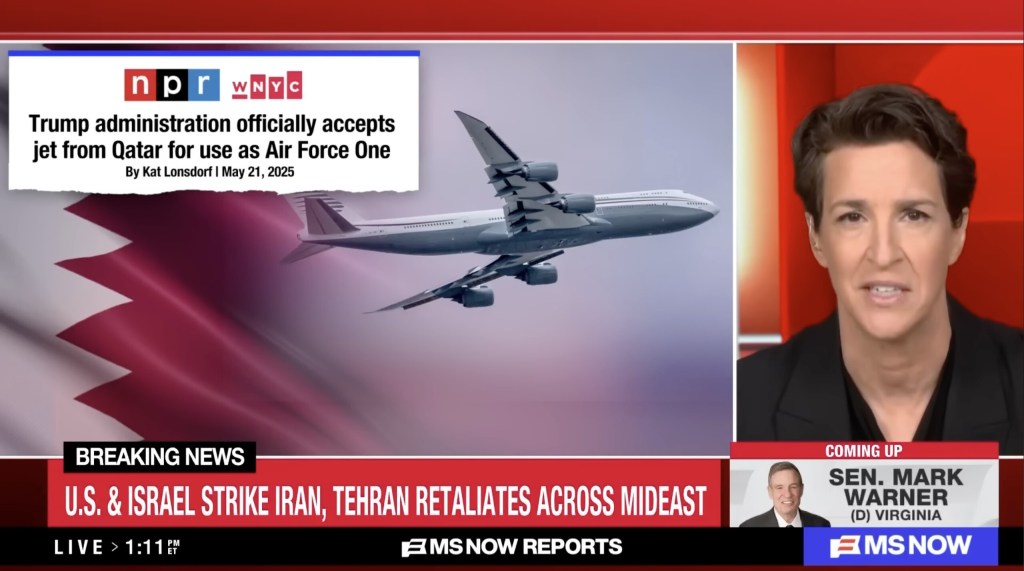
Rachel Maddow’s conspicuous refusal to cover Israelgate
If there’s one story MSNOW’s Rachel Maddow is known for, it’s her tenacious, years-long focus on a broad theory that Trump is a compromised agent of Russian intelligence installed by Russia via a shady patchwork of direct funding, loose connections, opaque meetings, election interference, Facebook ads, innuendo, and genuinely strange behaviors. From 2016 to 2025, Maddow mentioned Russia 6,126 times on her primetime program The Rachel Maddow Show.
This analysis isn’t a commentary on the validity of the “Russiagate” story, as such. I think it was inflated, and served the ends of some of the worst elements in the US security state, but there was certainly an element of truth to it. (Trump is brazenly venal, and would presumably take bribes from anyone). At the same time, the conspiracy mongering veered into Loose Change territory and was, ultimately, contradicted by Trump’s own policies which—while rhetorically critical of Ukraine—have largely continued to arm and support the country in its four-year-and-a-half war against Russia’s aggression.
The state of Israel is running what could very well be construed as GOTV commercials for the Republican Party during an election season.
What’s noteworthy is less that Maddow has covered Trump’s connections with Russia, and the associated seemingly weekly breathless developments. It’s that, over the past two years in particular, she has very conspicuously avoided a major story about another country influencing domestic politics in service of Trump and a pernicious reactionary agenda: that of Israel’s influence over the president, and its broader attempts to influence politics in the US. A report in Zeteo last week details how Israel is directly funding ads in swing states that not only
