by Marc Steiner | Dec 3, 2025 | Chicago, Fascism, ICE, Podcast, Politics and Movements: US, Prisons and Policing, The Marc Steiner Show
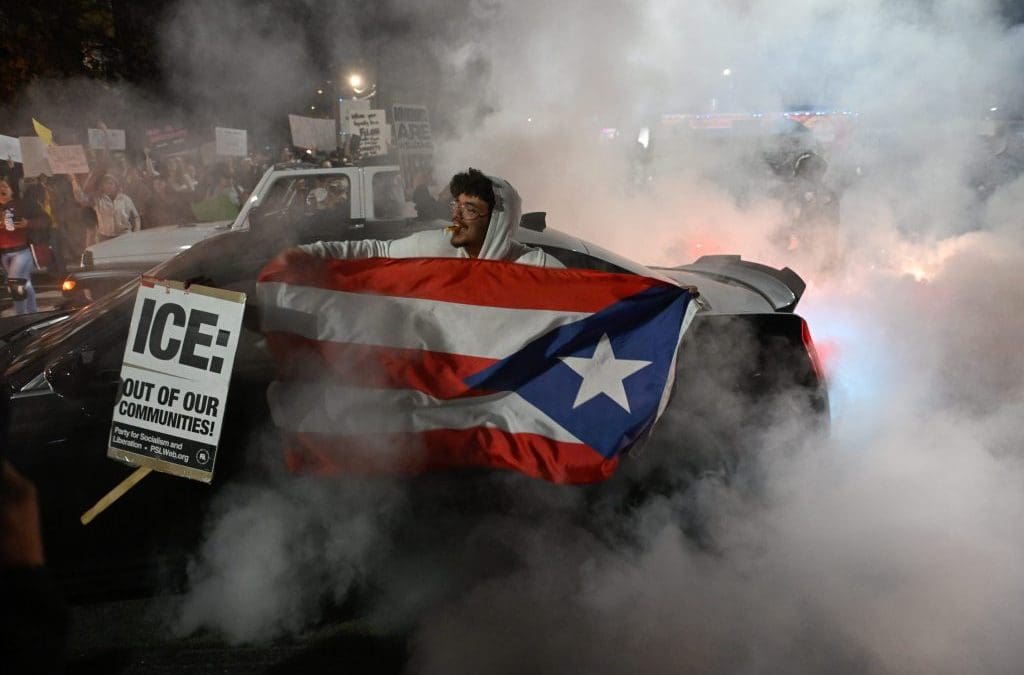
ICE, Border Patrol, and other federal agencies have turned immigrant neighborhoods in Chicago, IL, and Charlotte, NC, into open-air hunting grounds, snatching people off streets, out of parking lots, and in front of their children. But in each city, federal forces have also faced strong grassroots resistance. In this episode of The Marc Steiner Show, Marc speaks with organizers from Charlotte and Chicago, Miguel Alvelo Rivera and Andrew Willis Garcés, about the on-the-ground reality of President Trump’s immigration raids and the ways communities are organizing and mobilizing against them.Guest:
Miguel Alvelo Rivera is a migrant from Puerto Rico who came to the United States in 2007. He is the executive director of Latino Union of Chicago and has been a life-long educator, advocate, and believer in the power of people to change the world for the better. Co-founder of the community organizing, advocacy, and human rights group, Chicago Boricua Resistance, he’s been active in community, environmental, and labor movements since he was a teenager in Puerto Rico. He’s also worked as an Uber driver and delivery person, as a bartender, and as an educator in theater of the oppressed, adult education, and youth programming.
Andrew Willis Garcés is based in Greensboro, NC. He is a lifelong Southerner shaped and inspired by the Southern grassroots organizing tradition and also by the communities of resistance from his maternal homeland of Colombia. He founded Siembra NC under the Trump Administration, and has worked with several dozen unions and grassroots community organizations over the last two decades as an organizer, strategist, communications consultant and trainer. He’s been with Training for Change since 2009. You can read some
by Mansa Musa | Dec 1, 2025 | Economy, Economy and Inequality, labor, Podcast, prison reform, Prisons and Policing, Rattling the Bars
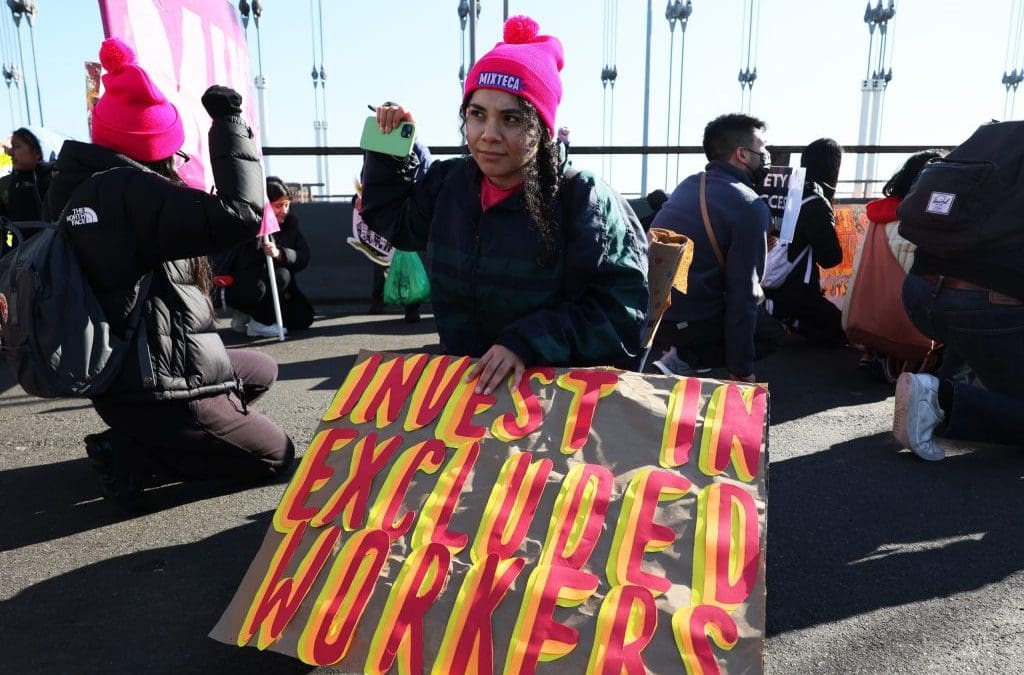
In this episode of Rattling the Bars, host Mansa Musa speaks with Miami-based organizer Katherine Passley about how prison labor, temp agencies, and the 13th Amendment have created a system that traps formerly incarcerated people in unending cycles of cheap, hyper-exploited work. Passley, co-executive director of Beyond the Bars, also talks with Musa about how her organization is fighting to win free jail phone calls, erase millions of dollars in fines and fees for systems-impacted people, and build powerful bridges between the prison abolition movement and the labor movement in Florida.
Guest:
Katherine Passley is co-executive director of Beyond the Bars, a worker center in South Florida building the social and economic power of workers with criminal records and their families. Passley was named the 2025 Labor Organizer of the Year by In These Times magazine.
Additional links/info:
Kim Kelly, In These Times, “Building bridges and erasing jail debt: Katherine Passley“
Mansa Musa, The Real News Network, “America is built on prison labor. When will the labor movement defend prisoners?“
Credits:
Producer / Videographer / Post-Production: Cameron Granadino
Transcript
The following is a rushed transcript and may contain errors. A proofread version will be made available as soon as possible.
Mansa Musa:
My name is Mansa Musa. I’m a former political prisoner, member of the Black Panther Party. And prior to being released from prison, I served 48 years. Now I’m the host of rallying the bars on the Real News Network when we think of labor and labor movement in this country. More importantly, when we think of the quote from Marxist, when Marx say, workers of the world Unite. Was Marx talking about only workers of a certain ethnic group? Was Marx talking about all
by Kelly Hayes | Nov 27, 2025 | Abolition, Fascism, ICE, immigration, Interview, Militarism, Military, Organizing, Podcast, Policing
“We’re very aware that things are awful … That means that we’re alive, and that we want something different. That’s a really important starting point, is just to even have that kind of repulsion and to have that awful feeling about things,” says Tamara Nopper. “So, I want more of that energy, but I want more of that energy to be connected to some more skills.” In this episode of “Movement Memos,”…
Source
by Michael Fox | Nov 26, 2025 | Indigenous communities, Podcast, Politics and Movements: US, Stories of Resistance
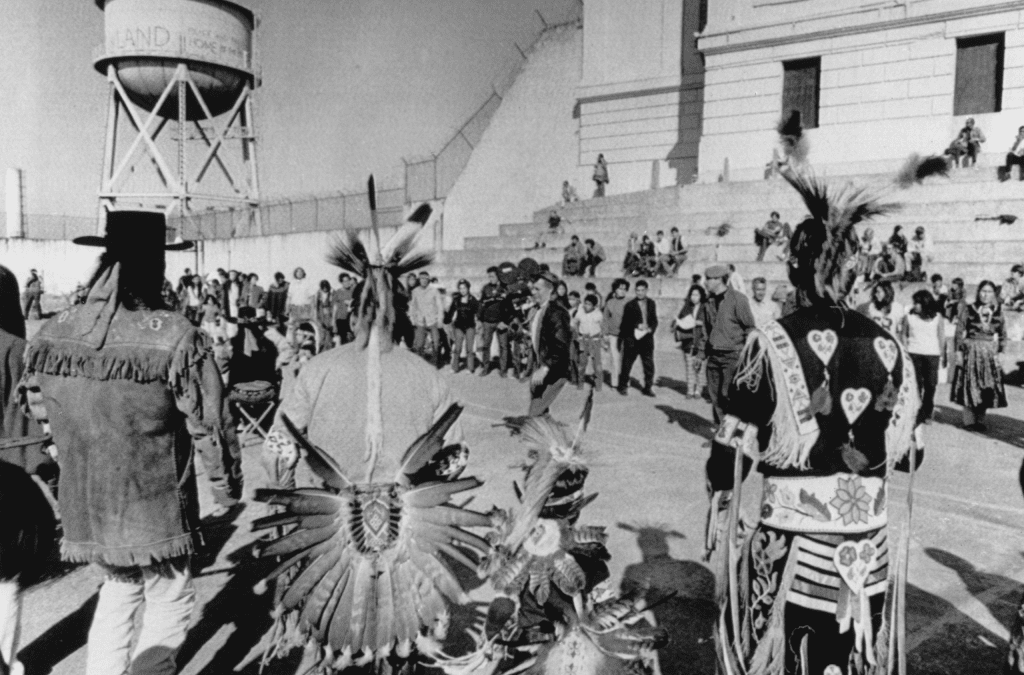
On Thanksgiving morning before dawn, the ferries run every 15 minutes, taking people to a sunrise gathering. An Indigenous People’s Alcatraz Thanksgiving ceremony.
The boats arrive to the island in the middle of the bay. People get off. Climb on to the island. They huddle against the chilly air and the cold winds that whip across San Francisco Bay. Lights from the cities across the water flicker in the distance. A ceremonial fire is lit. Drums beat as the sun rises. Songs are sung. Words are said. Dances danced. Prayers spoken. Stories told. Resistance remembered. This event is sacred. A ceremony to challenge the Thanksgiving myth. A ceremony to remember the innocent Indigenous peoples killed and pushed aside by the European conquest of America. And to honor the struggle of those who survived. As they say, “To honor the resistance of our ancestors and give thanks for the survival of our Peoples, sacred places, cultures and ways of life.”
The location for this ceremony is not by accident. In 1969, Alcatraz was the site of a 19-month long Native American occupation that inspired movements and organizing around the country. That legacy lives on until today.
BIG NEWS! This podcast has won Gold in this year’s Anthem Awards and also Signal Awards for best history podcast! It’s a huge honor. Thank you so much to everyone who voted and supported.
And please consider signing up for the Stories of Resistance podcast feed on Spotify, Apple Podcasts, Spreaker, or wherever you listen. And please take a moment to rate and review the podcast. A little help goes a long way.
The Real News’s legendary host Marc Steiner has also been in the running
by Marc Steiner | Nov 25, 2025 | Gaza, Israel, Palestine, Podcast, Politics and Movements: International, The Marc Steiner Show
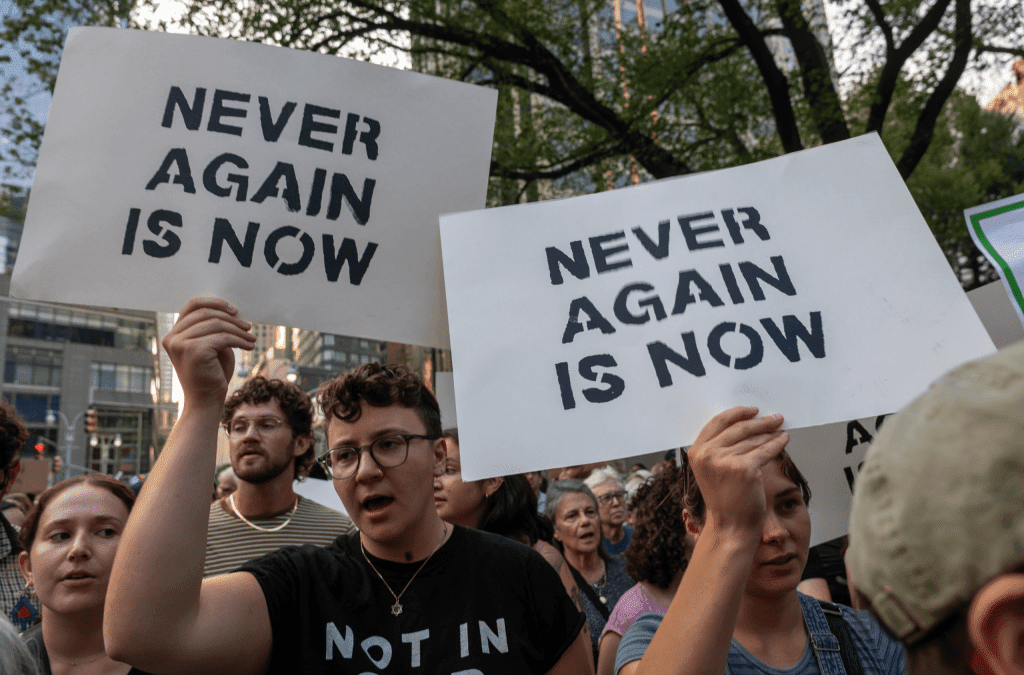
Having witnessed relentless horrors over two years of genocidal war in Gaza, former Israeli and Palestinian combatants are coming together in nonviolent co-resistance and shared struggle. In this episode of the Marc Steiner Show, Palestinian educator and healer Nimala Karoufeh and former Israeli soldier Noa Harrell of Combatants for Peace explain how their binational movement has held together since Oct. 7, 2023, and what real peace-building from the ground up would require.
Guests:
Noa Harrell joined Combatants for Peace in 2016 and directly witnessed the power of nonviolent resistance to Israel’s occupation in the West Bank. This life-changing experience led her to participate in binational activities across Israel and Palestine, including dialogues, educational programs, demonstrations, protective presence, joint grief ceremonies, and rehabilitation of demolished West Bank communities. In October 2023, shortly after the Hamas attacks on Israel, Harrell was elected Israeli General Coordinator of Combatants for Peace, coordinating actions between Israeli and Palestinian members, supervising programs, and serving as Israeli chair.
Nimala Karoufeh is a Palestinian Christian from Beit Jala, now living in Jerusalem. She holds a master’s degree in European Studies from the University of Düsseldorf and a bachelor’s in Social Work and Psychology from Bethlehem University. For more than 15 years, she has led transformative programs with local and international NGOs focused on women’s and youth empowerment, leadership, community development, and peacebuilding. Karoufeh joined Combatants for Peace in 2022 as educational expert and director of the Palestinian Freedom School Program, where she empowers young Palestinians through nonviolent education and activism.
Credits:
Producer: Rosette Sewali
Studio Production: Cameron Granadino
Audio Post-Production: Stephen Frank
Transcript
The following is a rushed transcript and may contain errors. An updated version will be made available as soon
by Michael Fox | Nov 20, 2025 | brazil, Podcast, Politics and Movements: International, Stories of Resistance, Working People
Nov. 20 is Black Consciousness Day in Brazil. A day celebrating the struggle of Black organizations, people, and movements in Brazil. Celebrating the ongoing fight against racism. And, above all, celebrating the history of Brazil’s most historic Black leader: Zumbi dos Palmares.
He was leader of the great Palmares Quilombo, present-day Alagoas, an autonomous state built by escaped slaves in the 1600s.
Palmares would last for roughly a century. It would grow to a population of tens of thousands of people spread out over 11 towns in the forested mountains and hillsides of northeastern Brazil. And they would defend it time and time again against attacks by the Portuguese colonial army.
BIG NEWS! This podcast has won Gold in this year’s Signal Awards for best history podcast! It’s a huge honor. Thank you so much to everyone who voted and supported.
And please consider signing up for the Stories of Resistance podcast feed on Spotify, Apple Podcasts, Spreaker, or wherever you listen. And please take a moment to rate and review the podcast. A little help goes a long way.
The Real News’s legendary host Marc Steiner has also been in the running for best episode host. And he also won a Gold Signal Award. We are so excited. You can listen and subscribe to the Marc Steiner Show here on Spotify or Apple Podcasts.
Please consider supporting this podcast and Michael Fox’s reporting on his Patreon account: patreon.com/mfox. There you can also see exclusive pictures, video, and interviews.
Written and produced by Michael Fox.
Resources:
Culture, Land and Resistance: Brazilians Celebrate Black Consciousness Day
‘Existing and resisting’: Black quilombo communities fight for land, rights in Brazil
Black Consciousness Day in