US Mining Plan Will Sacrifice Mexico’s Environment for Weapons and Tech
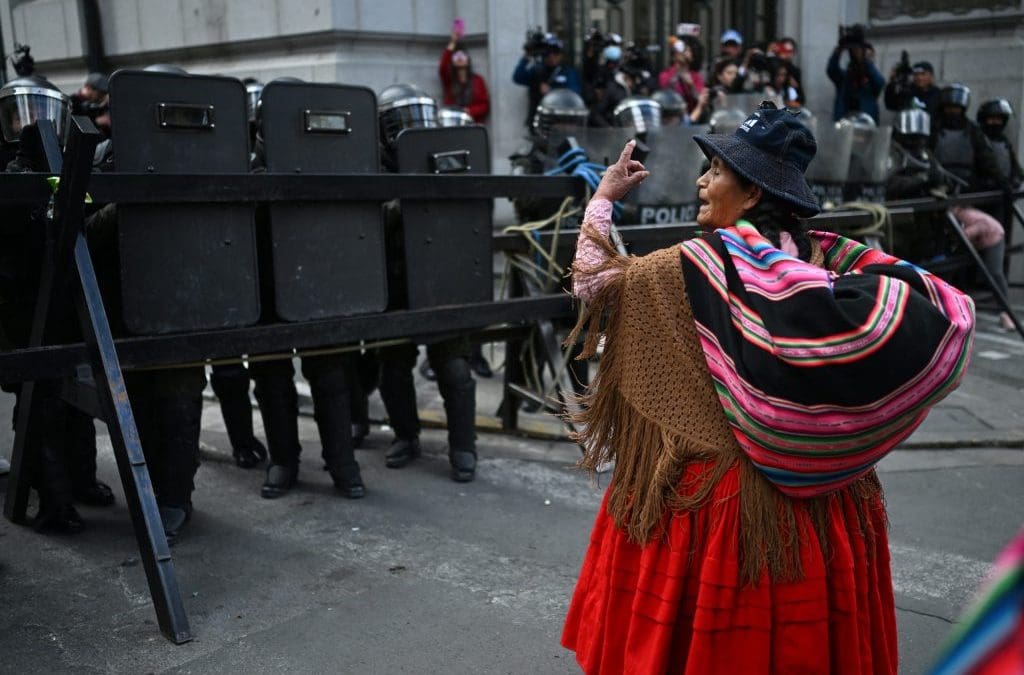
The U.S. and Mexico have established a mining agreement which has Indigenous and other residents of the Sierra Norte mountains, as well as activists around Mexico, worried. Announced on February 4, the U.S.-Mexico Action Plan on Critical Minerals aims to guarantee the U.S.’s supply of minerals for its arms industry, technology like data centers and smartphones, and the so-called energy…
Source
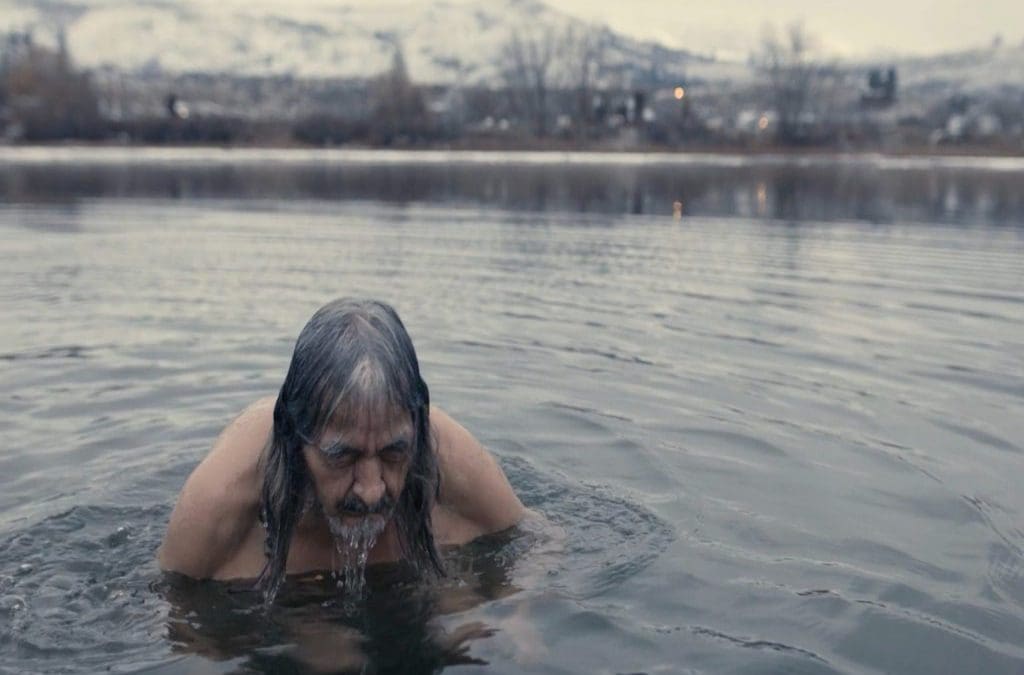
Pípsell: The last stand (Documentary)
The costly completion of the Trans Mountain pipeline expansion project (TMX)—Canada’s only pipeline system transporting crude oil from Alberta to the West Coast—has been a massive boon for Canada’s oil industry while posing existential threats to the environment and to First Nations. One of the last portions of the pipeline expansion was completed on the sacred Secwépemc site called Pípsell, near Kamloops, British Columbia, in violation of prior agreements with, and the treaty rights of, members of the Secwépemc Nation. In Pípsell: The Last Stand, award-winning Cree/Iroquois/French journalist Brandi Morin and documentary filmmaker Geordie Day expose in stunning cinematic detail the human and environmental costs of Canada’s TMX pipeline—and they follow the intense, dangerous, brave struggle of Indigenous land defenders and their allies to halt the completion of the Pípsell expansion.
Pípsell: The Last Stand was produced in partnership with The Real News Network and Ricochet Media. The documentary made its global debut at the 2025 Calgary Justice Film Festival. If you are interested in organizing an in-person screening of Pípsell: The Last Stand, please send inquiries to contact@therealnews.com
Credits:
Written and hosted by Brandi Morin
Directed by Geordie Day and Brandi Morin
Additional editorial and production support provided by Maximillian Alvarez, Kayla Rivara, Ethan Cox, Andrea Houston
Transcript
A transcript for this will be provided when ready.
Climate Protesters Face Greater Risk of Crackdown Amid Rising Authoritarianism
A new study published this month in the journal Environmental Politics reveals that efforts to repress climate and environmental protest are growing worldwide through a combination of new legislation, novel uses of existing legal processes, police actions, vilification of activists, and both violence and killings. The authors contend that acts of repression are likely to expand and intensify as…
Source
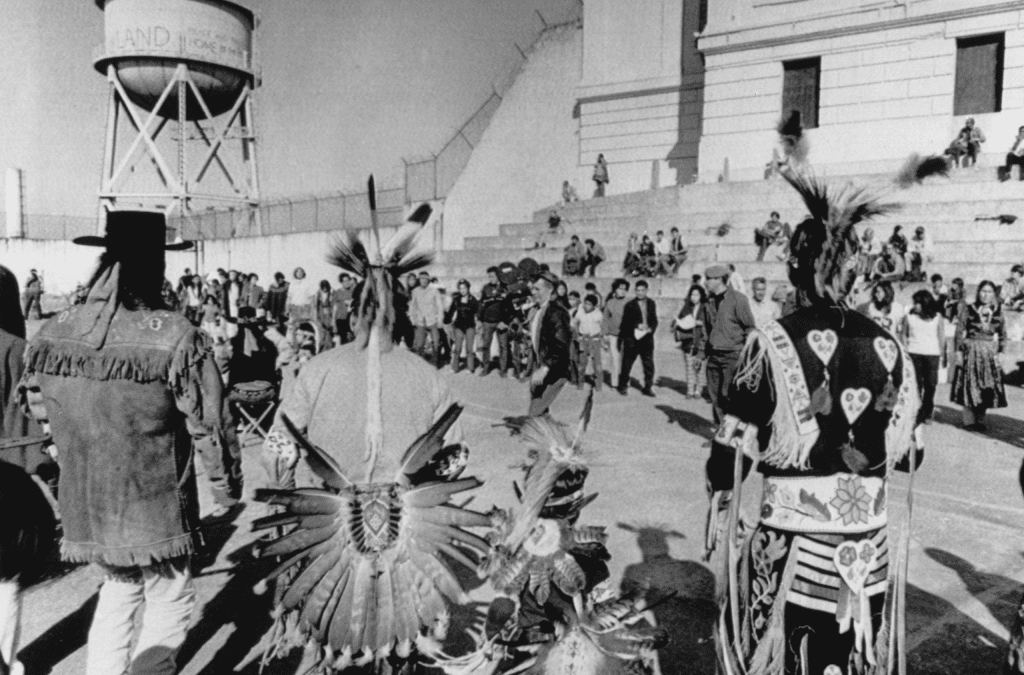
Thanksgiving Ceremony on Alcatraz: Remembering the 1969 Native American Occupation
On Thanksgiving morning before dawn, the ferries run every 15 minutes, taking people to a sunrise gathering. An Indigenous People’s Alcatraz Thanksgiving ceremony.
The boats arrive to the island in the middle of the bay. People get off. Climb on to the island. They huddle against the chilly air and the cold winds that whip across San Francisco Bay. Lights from the cities across the water flicker in the distance. A ceremonial fire is lit. Drums beat as the sun rises. Songs are sung. Words are said. Dances danced. Prayers spoken. Stories told. Resistance remembered. This event is sacred. A ceremony to challenge the Thanksgiving myth. A ceremony to remember the innocent Indigenous peoples killed and pushed aside by the European conquest of America. And to honor the struggle of those who survived. As they say, “To honor the resistance of our ancestors and give thanks for the survival of our Peoples, sacred places, cultures and ways of life.”
The location for this ceremony is not by accident. In 1969, Alcatraz was the site of a 19-month long Native American occupation that inspired movements and organizing around the country. That legacy lives on until today.
BIG NEWS! This podcast has won Gold in this year’s Anthem Awards and also Signal Awards for best history podcast! It’s a huge honor. Thank you so much to everyone who voted and supported.
And please consider signing up for the Stories of Resistance podcast feed on Spotify, Apple Podcasts, Spreaker, or wherever you listen. And please take a moment to rate and review the podcast. A little help goes a long way.
The Real News’s legendary host Marc Steiner has also been in the running
Tribes Are Bracing for Potential SNAP Loss
Rapid City, S.D. — For many tribes, access to food is a treaty right, meaning the potential loss of funding for the Supplemental Nutrition Assistance Program on Nov. 1 is yet another violation of trust and treaty obligations during the second-longest government shutdown in history. But Indigenous advocates in cities across the country are taking steps to ensure there are ways for affected…
Source