by Mansa Musa | Jul 27, 2026 | prison reform, Prisons and Policing, Rattling the Bars, Trump, video, Washington
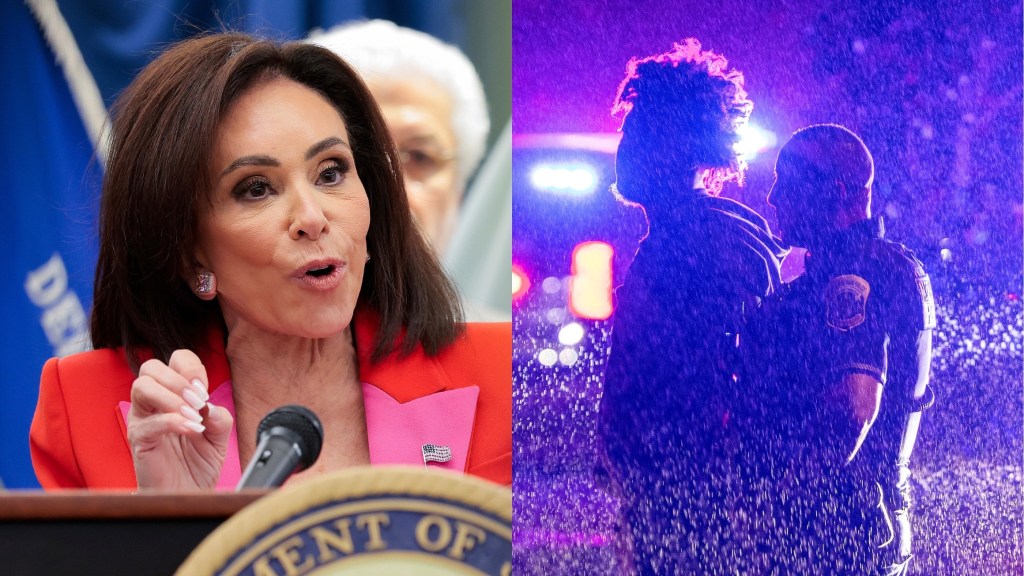
Republicans in Congress are attempting to push policies in the District of Columbia that would charge 14-year-olds as adults, increase mandatory minimum sentences, repeal the Second Look Act, and re-institute cash bail, which was banned in 1992. In this week’s episode of Rattling the Bars, host Mansa Musa reports from U Street and sits down with Bethany Young and Darby Hickey from the DC Justice Lab to discuss how the GOP is using Washington, DC, as a laboratory to wage a national crusade against decades of criminal justice reforms.
This is part one of a two-part series. Subscribe to TRNN and stay tuned for Part 2 next week.
Additional links/info:
DC Justice Lab website, Facebook page, X page, and Instagram
Sarah Staudt, Prison Policy Initiative, “Bad Omens: Reform rollbacks in Washington D.C. are a warning sign for state-level advocates”
Credits:
Producer / Videographer / Editor: Cameron Granadino
Transcript
The following is a rushed transcript and may contain errors. It will be updated.
Mansa Musa: Welcome to this edition of Rattling the Bars. We’re here in the historical part of the District of Columbia, U Street, 14th and U, 13th and U, 11th and U, 12th and U, all historic. Lincoln Theater and Benz Chillibo. We’re here today to talk to two representatives from DC Justice Lab about current legislation that Congress is attempting to pass to minimize the DC City Council’s ability to pass laws to govern this District of Columbia. Stay tuned for this interview. The District of Columbia has become the testing ground for Congress in terms of reforming so-called reform of laws that the city council has passed. So let’s talk about cash bill, what’s going
by Mansa Musa | Jul 21, 2026 | Prison Industrial Complex, prison reform, Prisons and Policing, Rattling the Bars, video
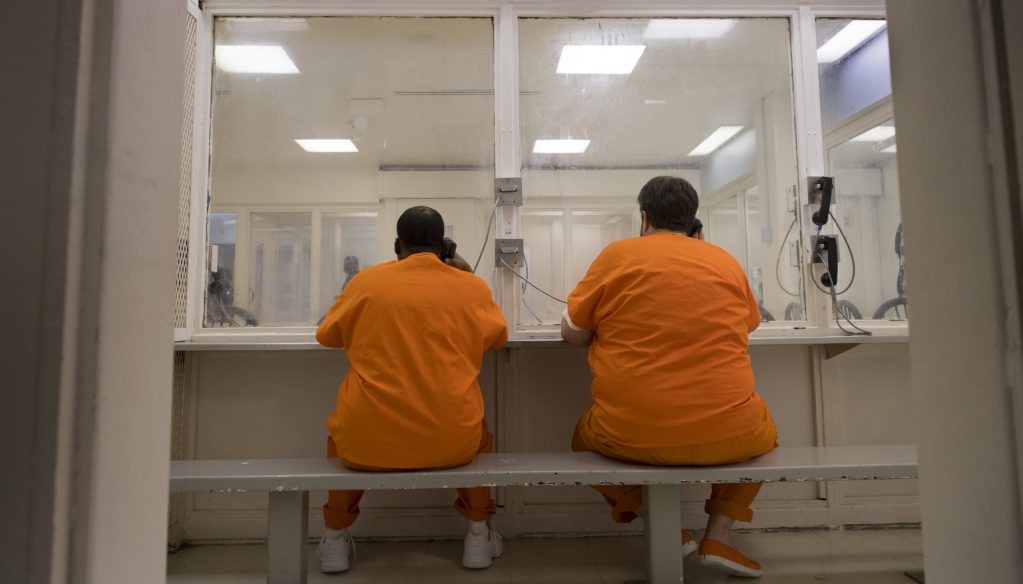
A groundbreaking new report reveals a direct link between prison phone call rates and prison safety: higher rates fuel more violence within prisons; lower rates and free phone calls dramatically reduce it. In this episode of Rattling the Bars, host and former political prisoner Mansa Musa speaks with Peter Mayer, director of research and data innovation for Worth Rises.
Additional links/info:
Worth Rises website, Facebook page, Bluesky page, X page, and Instagram
Peter Mayer & Bianca Tylek, Worth Rises (May 2026), “Critical Connections: The Power of Free Communication in Prisons and Jails”
Credits:
Producer / Videographer / Editor: Cameron Granadino
Transcript
The following is a rushed transcript and may contain errors. It will be updated.
Mansa Musa:
Welcome to this edition of Rattling the Bars. I’m your host, Mansa Musa. Prior to being released from prison, I served 48 years and days and months. When I first went in prison, we ain’t had no telephone system. So everything was letters. Then they put a telephone system in. And when they put the telephone system in, this created a whole new attitude in the prison population. People was able to get on the phones to talk to their families. They had organized a phone system where you can get designated time so you ain’t have to worry about staying in line. It was like something unusual. And when they first started talking about it, most of us were skeptic. Oh, they ain’t going to put no telephone. But now this is a major feature in every prison in the United States of America and county jails and detention centers as well.
Joining me today to talk about the groundbreaking new report
by Mansa Musa | Jul 13, 2026 | ICE, immigration, Rattling the Bars, video
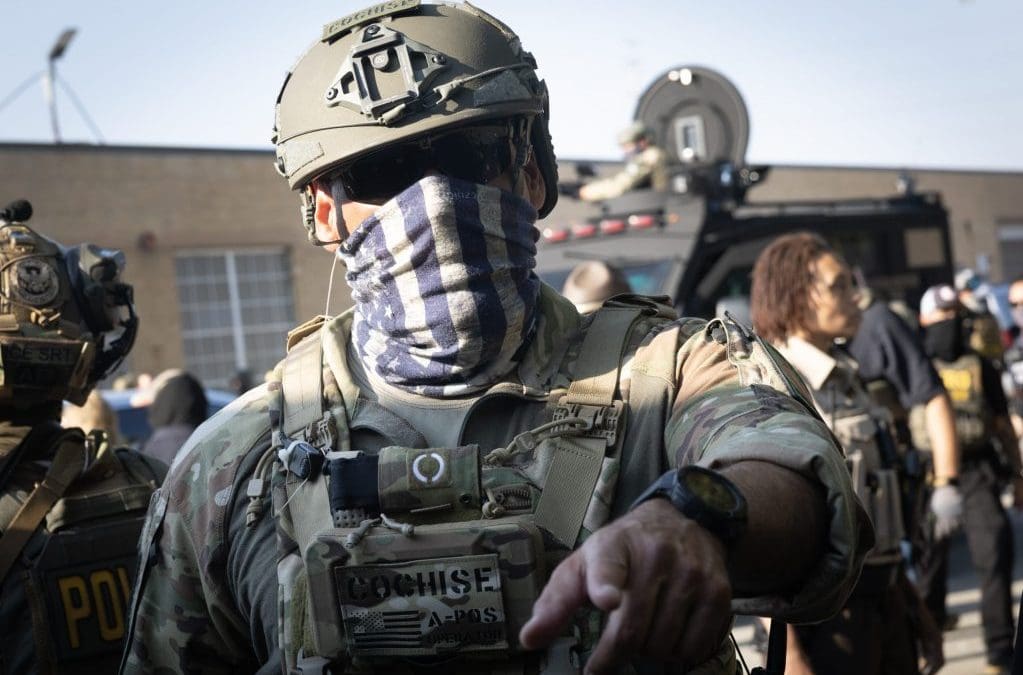
While calls to “abolish ICE” have exploded during the second Trump presidency, critics have been calling out the threats the agency poses to immigrants, US citizens, and democracy itself since it was created just over 20 years ago. In this episode of Rattling the Bars, host and former political prisoner Mansa Musa speaks with author and immigrant justice organizer Harsha Walia about the origins of ICE and what it will take to abolish it and the new American police state.
Guests:
Harsha Walia is the award-winning author of Undoing Border Imperialism and Border and Rule: Global Migration, Capitalism, and the Rise of Racist Nationalism. She has been involved in community-based grassroots migrant justice, feminist, anti-racist, abolitionist, anti-capitalist and anti-imperialist movements for over two decades, including No One Is Illegal, Defenders of the Land, and the DTES Women’s Memorial March Committee.
Credits:
Producer / Videographer / Editor: Cameron Granadino
Transcript
The following is a rushed transcript and may contain errors. It will be updated as soon as possible.
Mansa Musa:
Welcome to this edition of Rallying the Bars. I’m your host, Mansa Musa. Everybody know or heard of or got a view on ICE or what ICE been doing, but do we really know what ICE is, where ICE come from? Joining me today is Harsha Walia. Harsha Walia is the author of a brilliant Boston Review article, How Not to Abolish Ice. So today we’re going to unpack how not to abolish ICE, but more importantly, we’re going to educate our audience on what ICE is and try to clear up a lot of misconcept. Welcome to Riding in About Harsh.
Harsha Walia:
Hey, thank you so much for having
by Mansa Musa | Jul 6, 2026 | Black Panthers, Politics and Movements: US, Rattling the Bars, Socialism, video
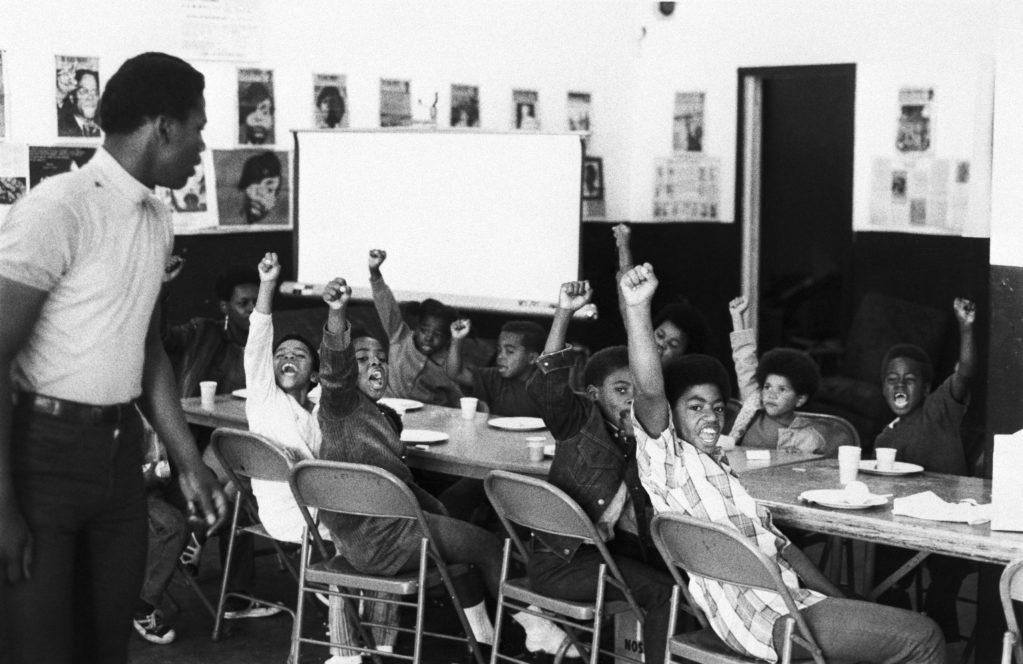
On this episode of Rattling the Bars, to commemorate the 60th anniversary of the founding of the Black Panther Party in 1966, host and former political prisoner Mansa Musa speaks with Dr. Joy James and Dr. K. Kim Holder about the history of the Panthers and their unique approach to, and practice of, communal socialism.
This is Part 2 of a two-part conversation. Watch Part 1 here.
Guests:
Dr. Joy James is Ebenezer Fitch Professor of Humanities at Williams College. She is the author of numerous books, including: In Pursuit of Revolutionary Love; Resisting State Violence; and Shadowboxing: Representations of Black Feminist Politics. Creator of the digital Harriet Tubman Literary Circle at UT Austin, James is also editor of The New Abolitionists: (Neo)Slave Narratives and Contemporary Prison Writings; Imprisoned Intellectuals; Warfare in the American Homeland; The Angela Y. Davis Reader; and co-editor of the Black Feminist Reader.
Dr. K. Kim Holder is an assistant professor of educational foundations and Africana studies at Rowan University. Dr. Holder earned his doctorate from the University of Massachusetts Amherst in Multicultural Education and African American Studies, his masters in Early Childhood Education from Bank Street College of Education, and B.A. in History from Hampshire College.
Credits:
Producer / Videographer / Editor: Cameron Granadino
Transcript
The following is a rushed transcript and may contain errors. It will be updated as soon as possible.
Mansa Musa:
Let me ask y’all this. We know that at this juncture right now where we stand at right now, the contradiction that exists between the leadership or the lack of leadership in this country, because when we come into space saying like we saying socialism, we defining and we making
by Mansa Musa | Jun 30, 2026 | Black Panthers, Politics and Movements: US, Racial Justice, Rattling the Bars, Socialism, video
This year marks the 60th anniversary of the Black Panther Party, founded in Oakland, California, in 1966. On this episode of Rattling the Bars, host Mansa Musa speaks with Dr. Joy James and Dr. K. Kim Holder about the legacy of the Panthers today, and about the important differences and intersections between democratic socialism and the Black Panther model of communalism.
This is Part 1 of a two-part conversation. Subscribe to TRNN and stay tuned for Part 2 next week.
Guests:
Dr. Joy James is Ebenezer Fitch Professor of Humanities at Williams College. She is the author of numerous books, including: In Pursuit of Revolutionary Love; Resisting State Violence; and Shadowboxing: Representations of Black Feminist Politics. Creator of the digital Harriet Tubman Literary Circle at UT Austin, James is also editor of The New Abolitionists: (Neo)Slave Narratives and Contemporary Prison Writings; Imprisoned Intellectuals; Warfare in the American Homeland; The Angela Y. Davis Reader; and co-editor of the Black Feminist Reader.
Dr. K. Kim Holder is an assistant professor of educational foundations and Africana studies at Rowan University. Dr. Holder earned his doctorate from the University of Massachusetts Amherst in Multicultural Education and African American Studies, his masters in Early Childhood Education from Bank Street College of Education, and B.A. in History from Hampshire College.
Credits:
Producer / Videographer / Editor: Cameron Granadino
Transcript
The following is a rushed transcript and may contain errors. It will be updated as soon as possible.Mansa Musa:
This year marks the 60th anniversary of the Black Panther Party founded in Oakland, California in 1966. Today we’ll be discussing the history of the Black Panther Party with two people that are intricately involved with the
by Mansa Musa | Jun 23, 2026 | baltimore, Media Criticism, Policing, Politics and Movements: US, Prisons and Policing, Rattling the Bars, video
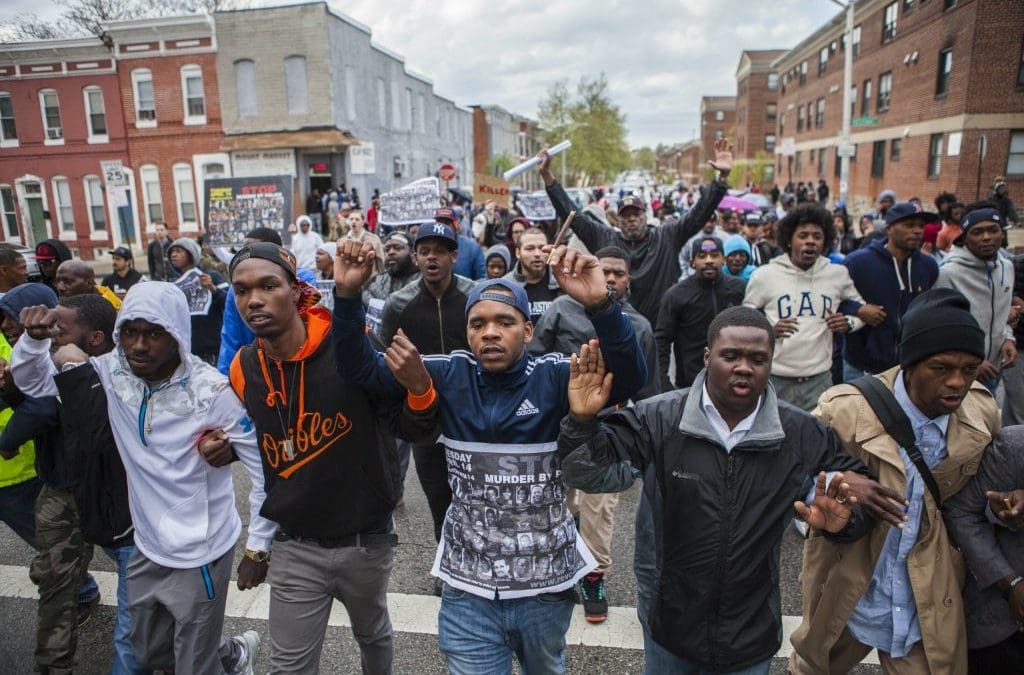
A new, thought-provoking documentary hits theaters this summer. Beyond the Wire, by filmmaker and researcher Dr. S. Rasheem, offers a powerful counternarrative to the popular crime series The Wire. In this exclusive, one-on-one interview between Dr. Rasheem and Rattling the Bars host Mansa Musa, they explore how her background in community organizing compelled her to tell a different story of Baltimore—one focused on the boots-on-the-ground activism that defies the narrative of a hopeless, crime-ridden city in need of over-policing. Premiering this June, Beyond the Wire is already being hailed by critics and organizers alike as an indispensable representation of “The Greatest City in America.”
Credits:
Producer / Videographer / Editor: Cameron Granadino
Transcript
The following is a rushed transcript and may contain errors. It will be updated as soon as possible.
Mansa Musa:
Welcome to this edition of Rattling the Bars. I’m your host, Mansa Musa. A new documentary Beyond the Why, which provides a powerful counter narrative to the popular crime series, The Wire is premiering this month. Today I’m honored and joined by the filmmaker, Dr. S. Rasheen. Welcome to the show, Dr. Rashid.
Dr. S. Rasheem:
Thank you so much for having me. I’m really excited to be here. All
Mansa Musa:
Right tell our audience a little bit about yourself and more importantly, your background and community organizing.
Dr. S. Rasheem:
Yeah. So my background as it relates to this work, how I came to even being able to a point where I’m doing filmmaking, I’ll also share that. So I am a social scientist by socialization and training. So it just means that I largely study people, large populations of people. The people that I particularly focus