by Mansa Musa | Sep 15, 2026 | Civil Rights, Politics and Movements: US, Prison Industrial Complex, prison reform, Prisons and Policing, Rattling the Bars, video
After running a historic campaign to unseat a criminal court judge for the first time in Nashville, Courtney Teasley created the legal education company emeffen to inform working-class communities about their civil rights. From combating police abuse to supporting vulnerable populations targeted by the criminal justice system, Teasley is a business and legal powerhouse redirecting people toward civic engagement and political-economic acumen. In this heartfelt interview, Mansa Musa and Courtney Teasley discuss grounded community organizing and political education that subverts the carceral system’s goal of turning citizens into captives.
Related links:
Follow Courtney Teasley on Youtube, TikTok, Instagram, website.
Credits:
Production/Post-production: Cameron Granadino
Transcript
The following is a rushed transcript and may contain errors. It will be updated.
Mansa Musa:
Welcome to this edition of Rattling the Bars. I’m your host, Mansa Musa. Today we are joined by Courtney Teasley, who consider herself and identify herself as a legal disruptor and justice strategist. We’ll be discussing her perspective on how she is intervening in the criminal injustice system and her work challenging the prison industrial complex as it exists today. Thank you, Courtney. Welcome to Rattling the Bars.
Courtney Teasley :
Thank you so much for having me. I’m really excited. I’ve heard a lot about this podcast, and so thank you so much for this opportunity to talk to your audience.
Mansa Musa:
Okay. Let’s start by introduce yourself to our audience and tell our audience how you came into this space, but more importantly, what is a legal disruptor and a justice strategist? What’s your identity as how you identify those things? So tell us a little bit about yourself.
Courtney Teasley :
Yes. So my name is Courtney Teasley. I am
by Mansa Musa | Sep 15, 2026 | baltimore, Policing, Politics and Movements: US, Prisons and Policing, Rattling the Bars, video
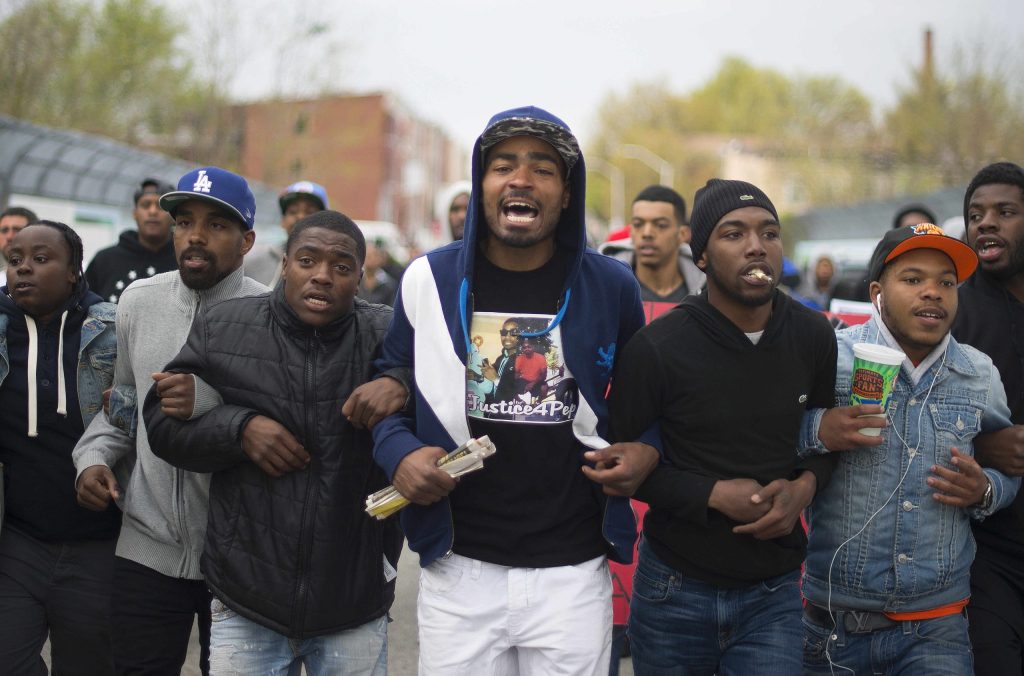
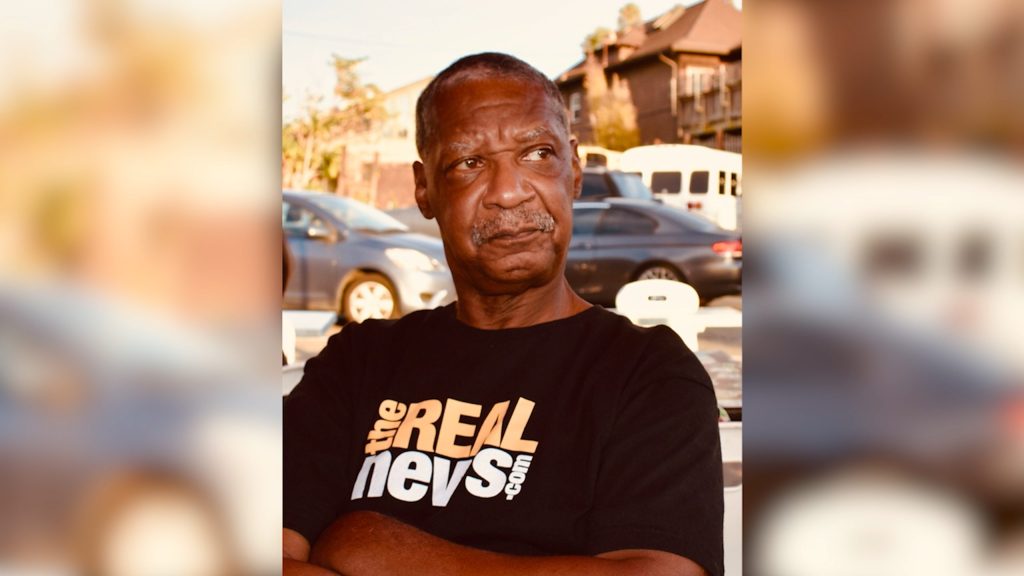
On August 8th at the Real News Studio, a screening of the new documentary Beyond the Wire—directed by filmmaker Dr. S. Rasheem—was followed by a panel discussion featuring seasoned conflict mediation organizers from the film. The participants explored their grassroots efforts to challenge the corporate media establishment’s heavy emphasis on crime—which drives city policy and the local economy—and redefine Baltimore’s historical present as a city of abolition.
Credits:
Videographer: Cameron Granadino/David Hebden
Editor: Cameron Granadino
Transcript
The following is a rushed transcript and may contain errors. It will be updated.
Speaker 1:
I’m going to be super brief. I largely just want to, again, thank everyone for coming out. I’m the producer of this film, but I’m sure you guys know you can’t do something like this by yourself, right? So I want to also thank the Baltimore Legacy Project Youth Crew who’s outside, who took your. I mean, they’ve just been really on point getting B-roll setting up. Really appreciate them a lot. Also, the folks that you saw in the film, thank you so much for trusting me with your voice, your story. I don’t take that lightly. And when I say you don’t do it by yourself, one of the. Oh, I also want to shout out. She’s not in here, but the narrator is actually here too. She’s part of Baltimore Legacy Project Youth Crew in the front. Her name’s Empress. Yep. But someone who is definitely in the thick of all of this with me is there’s several cinematographers, but there was one person who was the lead cinematographer, more or less the director of photography on this project.
They were also the
by Mansa Musa | Sep 15, 2026 | baltimore, Prisons and Policing, Rattling the Bars, video
Author and community organizer Dominque Conway has transformed a house at the epicenter of the 2015 Baltimore uprising into “Eddie’s Front Porch,” a people’s museum dedicated to preserving the remarkable legacy of her late husband, Eddie Conway. To mark the opening of the museum, this special episode of Rattling the Bars features host Mansa Musa sitting down with Dominque to discuss the project and Eddie’s enduring impact.
The conversation also highlights perspectives from formerly incarcerated organizers who worked alongside Eddie inside Maryland prisons and are now building community power on the ground in West Baltimore. Together, they share powerful stories celebrating the man, the myth, and the legend behind the movement.
Credits:
Production: Maximillian Alvarez
Post-production: Cameron Granadino
Transcript
The following is a rushed transcript and may contain errors. It will be updated.Mansa Musa:
So we are here at Eddie Conway’s front porch, which is, we call it People’s Museum. I’m here with Dominque Conway, the wife of Eddie Conway. Tell our audience what Eddie Conway meant to you or who was Eddie Conway to you?
Dominque Conway:
That’s really, that’s hard to sum up, to be quite honest. Eddie was so many things to me and so many other people, but Eddie was, quite honestly, he was my hero as he was to many other people. He was a Black Panther. He was somebody who also served 44 years in the Maryland prison system and didn’t allow that time to break him. During that time, Eddie worked with hundreds of men in the prison system, many of whom have come out and done their own programming and continued to do really great things in the community. So at
by Mansa Musa | Aug 17, 2026 | Black Panthers, Prisons and Policing, Rattling the Bars, The Cultural Front, video
How are hip hop and Black Liberation connected? In this special Black August edition of Rattling the Bars, former political prisoner and Black Panther Mansa Musa sits down with artist, producer, and “Panther Cub” Mopreme Shakur on the rooftop of a hotel in the nation’s capital. Together, they explore Shakur’s memoir, This Thug’s Life, tracing the trajectory from the rise and fall of Black Power to the birth of hip hop through the eyes of the son of a Panther and the stepbrother of a legend.
Additional links/info:
Mopreme Shakur, Penguin Random House, This Thug’s Life: An Unapologetically Black Story
Credits:
Producer / Videographer / Editor: Cameron Granadino
Transcript
The following is a rushed transcript and may contain errors. It will be updated.
Mansa Musa:
Welcome to this district rather than your host Mansa Musa. Today we are joined by Mopreme Shakur, the son of the late great political prison with Tulu Shakur and the older stepbrother of the legendary rapper Tupac Shakur. Mopreme has recently published a memoir titled This Thug Life: A Poet Narrative Spanning the Rise of the Black Liberation Movement, The Birth of Hip-Hop in New York, and its expansion to the West Coast. Mopreme, thank you for joining
Mopreme Shakur:
Us. What’s happened, Kevin?
Mansa Musa:
Appreciate you though. I know they got you on Hustle and Bustle, and this is a good thing. What compelled you to write this particular memoir?
Mopreme Shakur:
Well, I am Mopreme Shakur, Thug Life Outlaw, Immortal. I am the son of Dr. Matou Shakur, stepson of Afeni Shakur, brother of Tupac Shakur, nephew of Asada Shakur. That’s my fam, as well as my sister Setua. A lot of people are familiar with
by Mansa Musa | Aug 10, 2026 | Prison Industrial Complex, prison reform, Prisons and Policing, Rattling the Bars, video
Effective public safety policy is founded on preventing crime and repairing harm, but these are not the foundations of America’s reactionary criminal justice establishment. This week on Rattling the Bars, we host a roundtable discussion about the DC Justice Lab’s 2026 Public Safety Policy Agenda, which has been endorsed by 30 progressive organizations working directly with system-impacted individuals, and about criminal justice reforms that would ensure safer communities through restorative justice, not draconian punishment.
Additional links/info:
DC Justice Lab website, Facebook page, X page, and Instagram
DC Justice Lab, 2026 DC Public Safety Policy Agenda
Credits:
Producer / Videographer / Editor: Cameron Granadino
Transcript
The following is a rushed transcript and may contain errors. It will be updated.
Mansa Musa:
Welcome to this edition of Rattling the Bars, I’m your host, Mansa Musa.
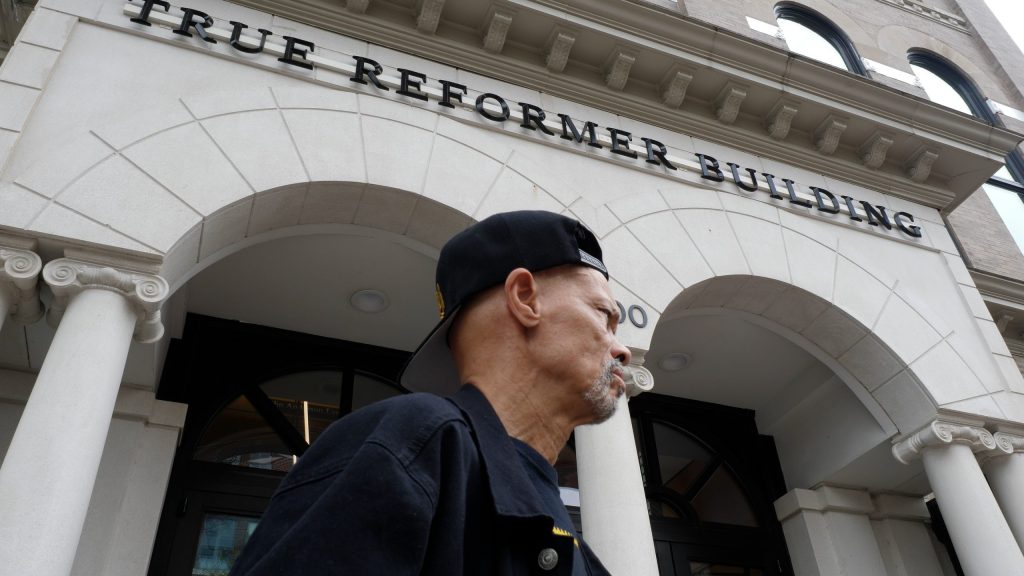
Today we are at the True Reformer Building talking to representatives from DC Justice Lab. I’m talking to Clinique Chapman, CEO, Bethany Young, the policy director. We’re here to discuss a roadmap for a safer and more equitable District of Columbia through the lens of the public safety policy agenda that DC Justice Lab has developed. Welcome to Rattling the Bars.
Clinique Chapman:
Thank you. We’re happy to be here.
Mansa Musa:
OK. Let’s start with transparency and technology. Clinique and Bethany, your agenda highlights surveillance oversight and the need for virtual testimony from the jail. Why are these two so critical for ensuring the justice system remains accountable to public safety and accessible to those inside? And when we talk about the virtual, for the benefit of our audience, DC Code Defenders can vote. And because DC Code Defenders can vote, they also should have the right. I think this
by Mansa Musa | Aug 3, 2026 | Politics and Movements: US, Prison Industrial Complex, prison reform, Prisons and Policing, Rattling the Bars, video, Washington
In part two of our series on conservative attempts to use D.C. as a testing ground for harsh criminal justice policies, Rattling the Bars host Mansa Musa sits down with Chelsea Canterbury and Eric Franklin of Voices for a Second Chance. They discuss the danger of proposed measures—including charging 14-year-olds as adults, increasing mandatory minimums, repealing the Second Look Act, and reinstating cash bail—and explain why doubling down on mass incarceration won’t make the city safer.
Additional links/info:
Voices for a Second Chance Instagram
Sarah Staudt, Prison Policy Initiative, “Bad Omens: Reform rollbacks in Washington D.C. are a warning sign for state-level advocates”
Credits:
Producer / Videographer / Editor: Cameron Granadino
Transcript
The following is a rushed transcript and may contain errors. It will be updated.
Mansa Musa:
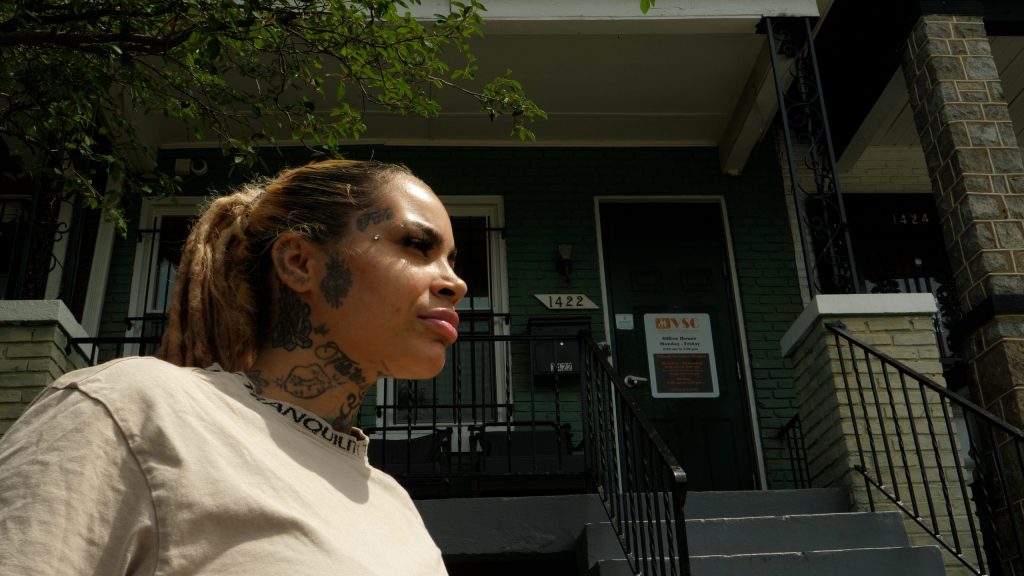
We’re here in Washington DC, Massachusetts Avenue at Voices for a Second Chance. We’re talking about Congresses introducing certain bills to roll back progressive laws that impact District of Columbia residents. One such law is the Second Chance Act. The Second Chance Act has been very instrumental in allowing people to get out of prison after they demonstrate they have changed, but Congress want to change that. You’ll hear different testimonies today about how these things impact everyday citizens, people that want to do right. Stay tuned. Joining me today is Chelsea Canterbury. Chelsea Canterbury, welcome to Rattling the Bars. Hi,
Chelsea Canterbury:
Hi. Welcome. Thank you. All
Mansa Musa:
Right. So today we are in front of Voices for a Second Chance service organization in the District of Columbia. And full disclosure, I actually work here. Chelsea Canterbury is, and I’ll call her Chelsea from here on out. Chelsea is a case manager here