by Taya Graham and Stephen Janis | Nov 13, 2025 | Economy and Inequality, Epstein, Inequality, Inequality Watch, Politics and Movements: US, Prisons and Policing, video
Jeffrey Epstein was able to traffic and assault young women and girls for almost two decades, without consequence. How did he get away with this? The simple answer is wealth. But how did a college dropout who was quietly dismissed from his first job as a teacher at a private school acquire a private jet and party with some of the most famous and powerful people in the world? We delve into the money and the people who may have aided and abetted Epstein’s scandalous and criminal life.
Credits:
Producers: Taya Graham, Stephen Janis
Post-Production: David Hebden
Transcript
The following is a rushed transcript and may contain errors. A proofread version will be made available as soon as possible.Taya Graham:
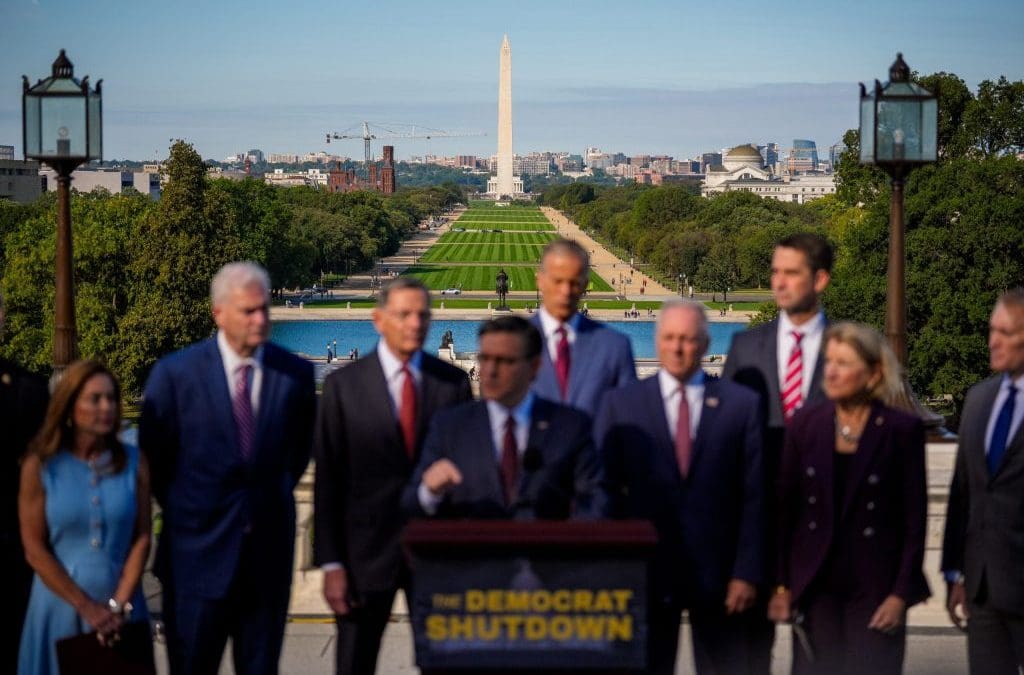
For most of 2025. One story and one story alone dominated the cultural and political discourse in America, the Epstein files. This phenomena was remarkable, all but more so for President Trump’s response. This was the first time in Trump’s decade long political career that we saw a significant rift in his fiercely loyal MAGA movement. By late July, 47% of Trump supporters disapproved of how he was handling the issue. Now, given Trump’s controversial association with the dead man, his obfuscation seemed like it could be the only thing to finally chip away at his political capital. Since then, a lot has happened in the American news from a major ice crackdown in blue states to the illegal bombing of ships in the Caribbean to an attempted ceasefire in Gaza, and yet Epstein’s case still looms large, large enough, some believe to have played a significant role in the October government shutdown.
Now ostensibly, the shutdown
by C.J. Polychroniou | Nov 5, 2025 | Inequality, Interview, Taxes, Wealth Tax, Zohran Mamdani
Zohran Mamdani’s historic victory for the working class in the financial capital of the world is a reflection of the growing appeal of bold platforms that attack extreme inequality and oligarchy and move toward a more equitable and just society. Inequality, to be sure, is one of the biggest social problems facing many countries across the globe. The gap between haves and have-nots has grown to…
Source
by Jake Johnson | Nov 3, 2025 | Billionaires, Budget, Donald Trump, Inequality, News, Republicans, Tax Cuts, Trump Administration
New research published Monday shows that the 10 richest people in the United States have seen their collective fortune grow by nearly $700 billion since President Donald Trump secured a second term in the White House and rushed to deliver more wealth to the top in the form of tax cuts. The billionaire wealth surge that has accompanied Trump’s return to power is part of a decades-long…
Source
by Taya Graham and Stephen Janis | Oct 31, 2025 | Article, Democrats, Economy, Economy and Inequality, Inequality, Inequality Watch, Politics and Movements: US, Republicans
There’s a popular and recurring chant that echoed throughout the recent No Kings protests several weeks ago: “This is what democracy looks like.”
But on Capitol Hill over the past four weeks, during a protracted government shutdown, Republicans have been displaying the opposite.
The quiet, moribund center of American government looks anything but like a democracy. The deserted hallways and empty offices portend something radically different: a future where the messy work of legislating on behalf of the public is replaced by the whims of a ruling oligarchy.
In other words, Republicans are showing us what autocracy looks like.
To understand why, and the implications for the body politic, it’s critical to recount how their handling of the ongoing shutdown has been remarkably anti-democratic.
It began when Democrats refused to vote for a continuing resolution to fund the government last month. Democrats wanted Republicans to reauthorize expiring Obamacare tax credits, subsidies enacted during the pandemic to make insurance premiums more affordable for millions of Americans. Republicans allowed them to lapse in the so-called “Big Beautiful Bill.”
Democrats have called the end of these credits a crisis. The Congressional Budget Office estimates that 2.2 million people will lose health insurance if the subsidies aren’t renewed.
But instead of getting to work and negotiating, House Speaker Mike Johnson sent the entire legislative body home. It was not just an impractical move; it made the possibility of brokering any kind of deal exponentially more difficult.
Importantly, many of Johnson’s own constituents depend on the very programs his party has refused to fund. His district has one of the highest percentage of Medicaid recipients for a Republican controlled district in the country.
by Taya Graham and Stephen Janis | Oct 29, 2025 | Economy, Economy and Inequality, health care, Inequality, Inequality Watch, Politics and Movements: US, video
As the government shutdown stretches into its fourth week, Republicans are managing the crisis as if democratic accountability no longer applies—stalling Congress, ducking public scrutiny, and holding lifesaving ACA tax credits and SNAP benefits hostage for partisan gain. The result is immediate and unequal harm: millions risk losing healthcare while one-man rule, dark money, and gerrymandered advantage erode what little democracy we have left. Reporters Taya Graham and Stephen Janis break it all down in this installment of the Inequality Watch.
Credits:
Studio / Post-Production: David Hebden
Written by: Stephen Janis
Transcript
The following is a rushed transcript and may contain errors. A proofread version will be made available as soon as possible.
Taya Graham:
Hello, my name is Taya Graham and welcome to our Inequality Watch Reaction Report, the show where we break down how money and wealth control and warp our government and the way we live today. Along with my reporting partner Stephen Janis. Hello, Stephen.
Stephen Janis:
Hey Taya. How are you? Doing
Taya Graham:
Well. Today we’re going to break down a very troubling aspect of the current government shutdown, namely that Republicans are managing it like the end of democracy is near. And this is not just about voting or the electoral system in general, which is constantly under assault, but rather how a lack of democratic accountability can affect the actions in even the psychology of a party and how it uses and even abuses power. Now Stephen, before we dig into this, and this might sound like an odd question, but why do we care about democracy?
Stephen Janis:
Well, the thing is that so far in the history of civilization, the only system
by Jake Johnson | Oct 24, 2025 | ballot initiative, Billionaires, California, federal budget cuts, health care, Health Care Workers, Inequality, Medicaid, medicaid cuts, News, Taxes
A coalition of frontline healthcare workers, unions, and economists launched an effort Thursday to build support for a proposed ballot measure in California that would impose a one-time tax on the state’s billionaires to avert a looming crisis spurred by national Republicans‘ unprecedented Medicaid cuts. The proposed ballot initiative, titled “The 2026 Billionaire Tax Act…
Source