
‘A forceful stand for our constitution’: judge orders release of Kilmar Ábrego García
This story originally appeared in Common Dreams on Dec. 11, 2025. It is shared here under a Creative Commons (CC BY-NC-ND 3.0) license.
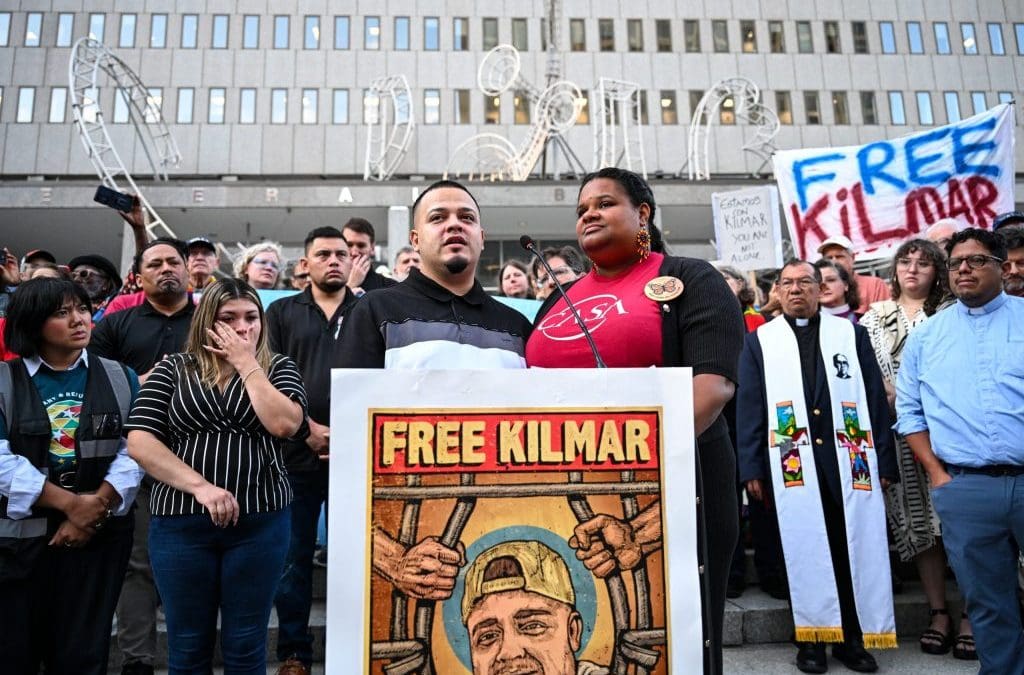
A federal judge on Thursday ordered the immediate release of Kilmar Ábrego García—who was wrongfully deported to El Salvador by the Trump administration earlier this year—from US Immigration and Customs Enforcement custody.
“Since Ábrego García’s return from wrongful detention in El Salvador, he has been redetained, again without lawful authority,” US District Judge Paula Xinis wrote in her ruling. “For this reason, the court will grant Ábrego García’s petition for immediate release from ICE custody.”
In early April, Xinis—an appointee of former President Barack Obama—ordered the Trump administration to facilitate Ábrego García’s return to the United States after he was deported in March to the abuse-plagued Terrorism Confinement Center (CECOT) maximum security prison in El Salvador. This, after the US Department of Justice (DOJ) admitted in a court filing that Ábrego García was wrongfully deported due to what it called an “administrative error.”
The US Supreme Court also weighed in on the case in favor of Xinis’ ruling. However, the Trump administration refused to comply with the judge’s order, arguing that it had no legal obligation to return Ábrego García to the US and could not force El Salvador’s government to free him.
The DOJ dubiously contended that Ábrego García—a 30-year-old Salvadoran father of three who entered the US without authorization when he was a teenager—was a member of the gang MS-13, an allegation based on a statement from an anonymous police informant. The Trump administration deported him despite a judge’s 2019 ruling that he could not be removed to El Salvador because he could be tortured there.
An attorney representing Ábrego García said at the time that his client suffered beatings and “psychological torture” while imprisoned
Trump admin reportedly pushing ICC to exempt Trump from war crimes prosecution
This story was originally published on Truthout on Dec. 10, 2025. It is shared here under a Creative Commons (CC BY-NC-ND 4.0) license.
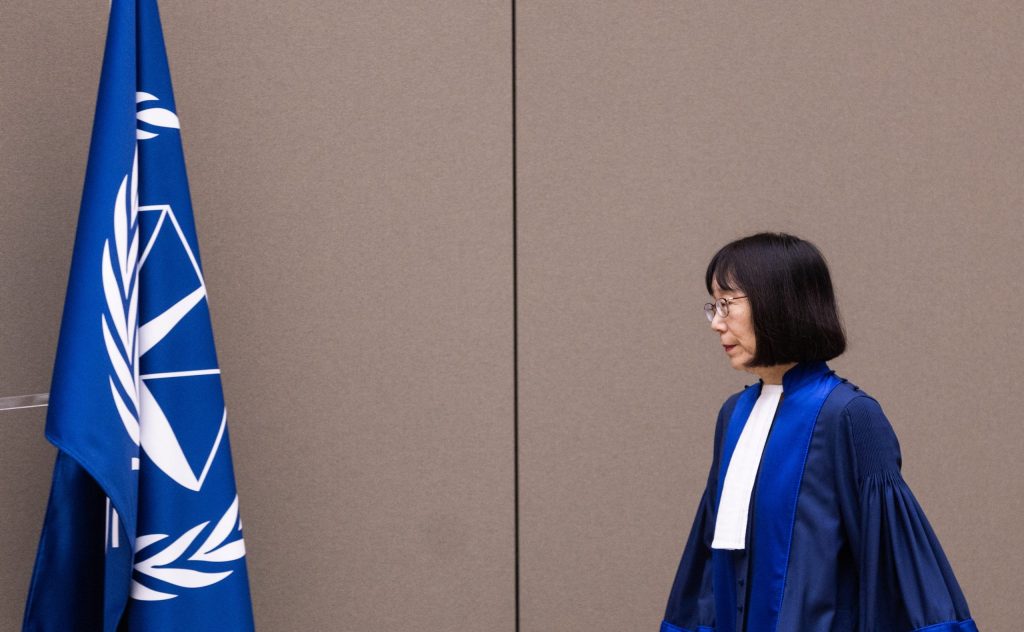
The Trump administration is reportedly trying to strongarm the International Criminal Court (ICC) into changing its founding document to carve out an exception for President Donald Trump and his top officials ensuring that they are never prosecuted by the court for potential war crimes.
The administration is threatening the ICC with yet more sanctions if they do not amend the Rome Statute, which established the court in 2002, to ensure Trump and his administration’s top officials are never prosecuted, Reuters reports, citing a Trump administration official.
U.S. officials are also demanding that the ICC drop its investigations into Israeli Prime Minister Benjamin Netanyahu and former Israeli Defense Minister Yoav Gallant over charges related to Gaza, as well as a probe into potential war crimes committed by U.S. troops in Afghanistan.
These demands have been made known to the court by the U.S. government, Reuters reports.
“There is growing concern … that in 2029 the ICC will turn its attention to the president, to the vice president, to the secretary of war and others, and pursue prosecutions against them,” the Trump administration official told Reuters. “That is unacceptable, and we will not allow it to happen.”
The official said there is “open chatter” within the international legal community about the possibility of prosecuting Trump and other top officials in relation to international human rights violations.
The official did not specify why the administration would be afraid of such charges being issued.
Experts say that the Trump administration is committing war crimes and crimes against humanity in its boat strike campaign and its military support of Israel

Annual defense bill includes provision to effectively undo Israel arms embargoes
This story was originally published on Truthout on Dec. 09, 2025. It is shared here under a Creative Commons (CC BY-NC-ND 4.0) license.
The 2026 military funding bill released this week would require the U.S. to assess Israel’s weapons arsenal and suggest ways to undo any “gaps” that may be caused by arms embargoes imposed by other countries protesting Israel’s violence.
A provision in the “must-pass” National Defense Authorization Act (NDAA) bill for 2026, released by lawmakers on Monday, requires the Secretary of Defense to “conduct a continual assessment of” the “impact on Israel’s defense capabilities” from arms embargoes and other restrictions placed on arms exports to Israel.
The department must then report on “resulting gaps or vulnerabilities in Israel’s security posture” against “adversaries” like Iran, Hamas, and Hezbollah, the bill text says.
Then, officials must conduct an assessment to identify any of Israel’s military “needs” and actions that the U.S. could take to “mitigate such gaps in defensive capabilities.” Such actions could include “addressing barriers” to arms deliveries, expanding cooperation with Israel to develop military technology, and sending weapons directly.
The Defense Secretary, along with the Secretary of State and Director of National Intelligence, must ensure that the report on the subject is updated at least once every 180 days, the bill says.
The remarkable measure comes as a response to at least two dozen countries that have restricted or ended weapons transfers to Israel since its genocide began on October 7, 2023. It also comes after countless experts, including watchdogs within the State Department, have said that continuing to send weapons is illegal under domestic and international law.
Many of these arms embargoes have had little difference on Israel’s ability

‘Defeat for justice’: Ecuador to pay Amazon-polluting Chevron $220 million
This story originally appeared in Common Dreams on Dec. 09, 2025. It is shared here under a Creative Commons (CC BY-NC-ND 3.0) license.
A US advocacy group, American human rights lawyer Steven Donziger, and the group in Ecuador behind a historic legal battle against Chevron over its dumping of toxic waste in the Amazon rainforest are condemning the Ecuadorian government’s plans to pay the oil giant hundreds of millions of dollars due to an arbitration ruling.
In response to the legal fight in Ecuador that led to a $9.5 billion judgment against Chevron—which bought Texaco—the fossil fuel company turned to the investor-state dispute settlement (ISDS) system, suing the South American country in the Hague-based Permanent Court of Arbitration. As part of the latter case, Ecuadorian Attorney General Diana Salazar Méndez’s office announced Monday that the government would pay the US company only around $220 million, rather than the over $3 billion Chevron sought.
While Chevron said in a statement that it was “pleased with the resolution of this matter” and claimed the decision “strengthened the rule of law globally,” and Salazar Méndez’s office celebrated the dramatically lower figure, and the Union of Peoples Affected by Chevron-Texaco (UDAPT)—the group that began the case against oil company in 1993—pushed back against the government’s framing of the reduction “as if it was a success and an economic achievement.”
“The reality is it is a defeat for justice,” UDAPT argued in a Tuesday statement. “For 32 years, UDAPT has documented pollution, environmental crime, and lives broken by Chevron, proving what should be obvious: Communities have not recovered, health has not been restored, clean water has not returned, and the territories that sustain life remain contaminated. A debt is not owed to Chevron. A debt is owed to the Amazonian families still waiting for
CNN partners with Kalshi, a gambling app that lets you wager on starvation in Gaza
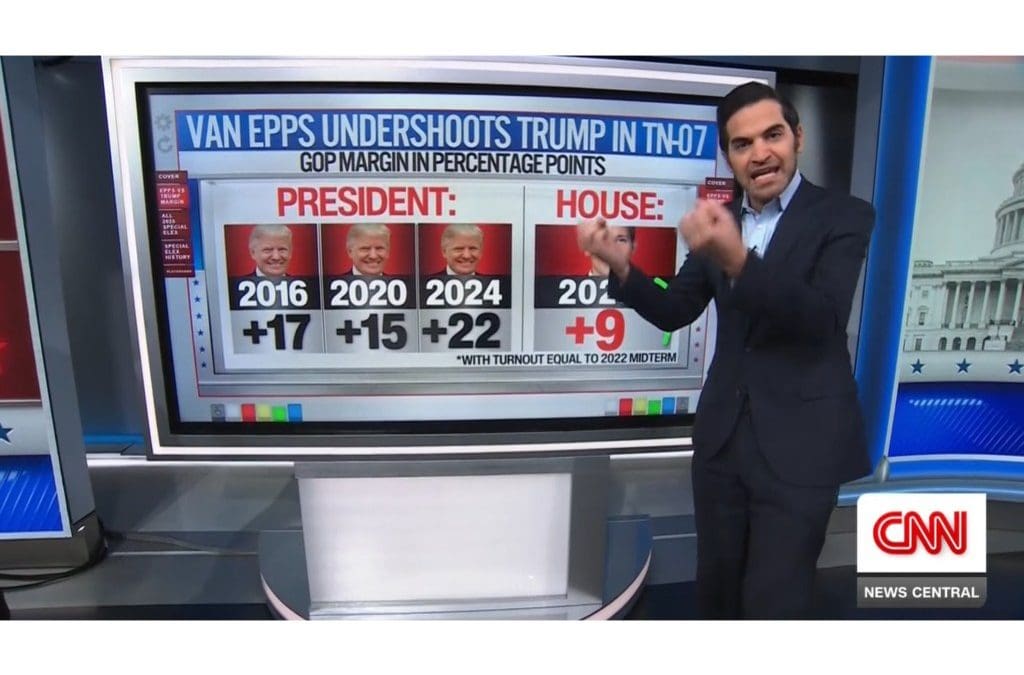
Consistent with the United States’ continued slide into an economy powered almost entirely by LLM slop, financialization, and ever-pervasive exploitative gambling, “prediction market app” Kalshi “entered into an official partnership” with CNN this week to bring their “data to CNN’s journalism across its television, digital and social channels.” Soon, CNN will run live odds on world events where its viewers can gamble on them in real time on their smart phones. The “data” (see: betting markets) will, according to Axios, “be featured on CNN’s air through a real-time data ticker and can be referenced across CNN’s platforms when journalists discuss news predictions. The partnership will include prediction market content related to politics, news, culture and weather. The integration will be championed by CNN chief data analyst Harry Enten, who will tap into real-time insights from Kalshi in his reporting on air, both via linear TV and CNN’s new streaming subscription service.”
The day after this story broke, Wall Street news network CNBC announced a similar “exclusive partnership” with Kalshi, marking a grim turn for TV news. “Starting in 2026, CNBC will incorporate exclusive Kalshi predictions market data [see: betting props] into its programs,” the press release read. What are these events that viewers will be able to bet on? Some are seemingly harmless enough: who will win an upcoming election, the weather in Chicago, the federal government’s jobs numbers, or what will be said on Kroger’s next earnings call. But many offerings are on life and death issues that will, as a matter of course, reduce these issues to just another chip on a roulette table for Western audiences increasingly isolated