While spending billions on Iran war, Trump quietly moves to boot millions more off food aid
This story originally appeared in Common Dreams on Mar. 10, 2026. It is shared here under a Creative Commons (CC BY-NC-ND 3.0) license.
The Trump administration is quietly pursuing a regulatory change that would strip federal nutrition assistance from an estimated 6 million low-income Americans—including nearly two million children—as it spends billions on an illegal, open-ended war on Iran that has killed more than a thousand people and plunged the global economy into chaos.
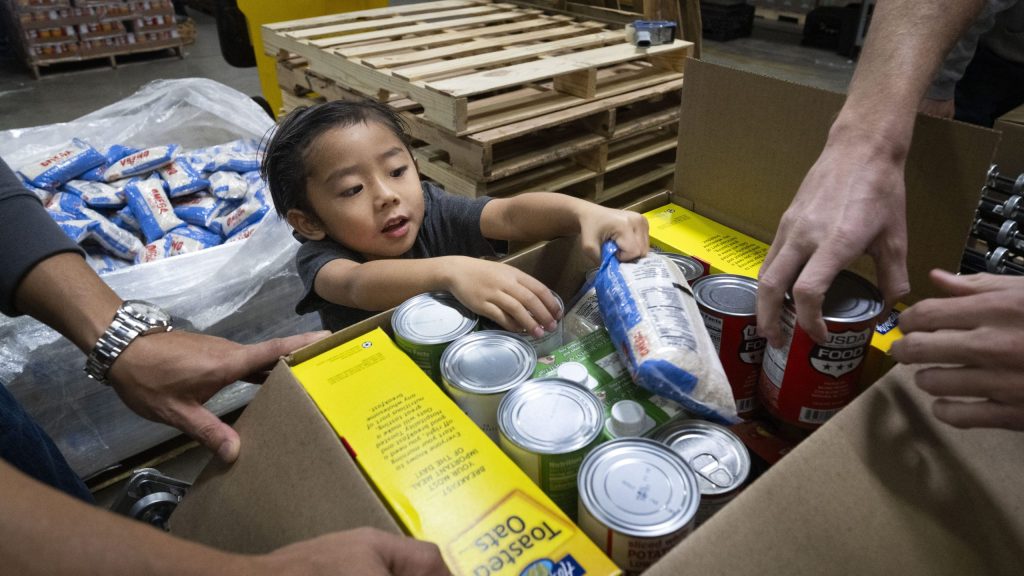
The change sought by the US Department of Agriculture would curb broad-based categorical eligibility in the Supplemental Nutrition Assistance Program (SNAP). Broad-based categorical eligibility allows states to automatically qualify residents for SNAP if they are already enrolled in other aid programs, such as Temporary Assistance for Needy Families, thus reducing administrative hurdles and costs.
The Center on Budget and Policy Priorities (CBPP) estimated in a blog post published late last month—the day before President Donald Trump announced the joint US-Israeli assault on Iran—that gutting broad-based categorical eligibility would likely strip modest federal food aid from around 6 million people, including nearly 2 million children.
“The people losing access to food assistance from SNAP, school meals, and [the Women, Infants, and Children Program] would mainly be working families, older adults, and people with disabilities,” the think tank noted. “In other words, the change would primarily harm groups that federal and state policymakers from across the political spectrum have long sought to help: people who work but are living near poverty; older adults and people with disabilities with low, fixed incomes; and people trying to build modest savings in order to become more economically independent.”
The Congressional Budget Office has projected that restricting broad-based categorical eligibility would result in roughly $11 billion in savings over a 10-year period—or just over $1 billion a year.
The Trump administration is currently spending