by María Teresa Kumar | Sep 15, 2026 | elections, Opinion
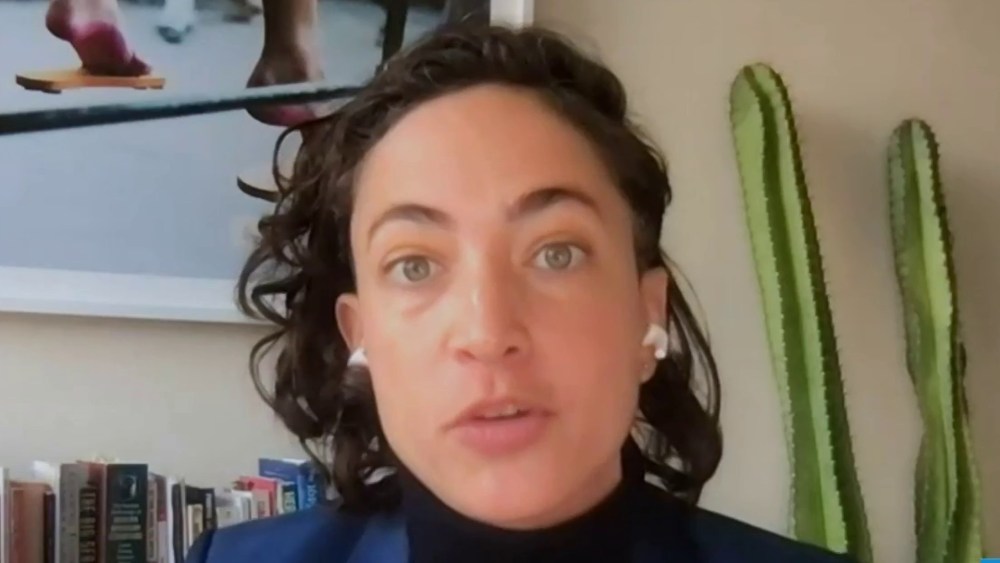
Every election cycle, people ask me the same question: Why focus on Texas?
The answer is simple: Texas is home to one of the largest, most dynamic Latino electorates in the nation. Making up over 40% of the state’s population, Latinos are a driving force in shaping America’s civic future. Texas is also undergoing rapid demographic expansion, adding more than 950,000 voters between recent election cycles alone. This isn’t just a state to watch — it is a cornerstone of American democracy.
Yet, transforming demographic growth into lasting civic power requires intentional, on-the-ground engagement. Nationwide, 1 in 3 young voters is unregistered. In Texas, that gap is even wider, leaving 3 in 5 young adults off the voter rolls. Young people aren’t sitting out because they lack interest; they are deeply passionate about the issues shaping their lives, from student debt and climate change to good jobs and healthcare. But turning those priorities into policy requires fundamental first steps: registering to vote and establishing a concrete plan to cast a ballot.
Earlier this month, with less than 10 weeks before the election, the Tarrant County Commissioners Court voted to cut 92 polling locations.
Right now, more than 1.2 million Texas voters are sitting on what the state calls a “suspense list,” and in Travis County alone, that represents 16% of eligible voters. Being on that list doesn’t mean you can’t vote, but it does mean the system is putting an extra burden on you to prove you still belong on the rolls — a burden a lot of people don’t even know they’re carrying until they’re standing at the polls.
That is the urgency of
by Mansa Musa | Sep 15, 2026 | baltimore, Policing, Politics and Movements: US, Prisons and Policing, Rattling the Bars, video
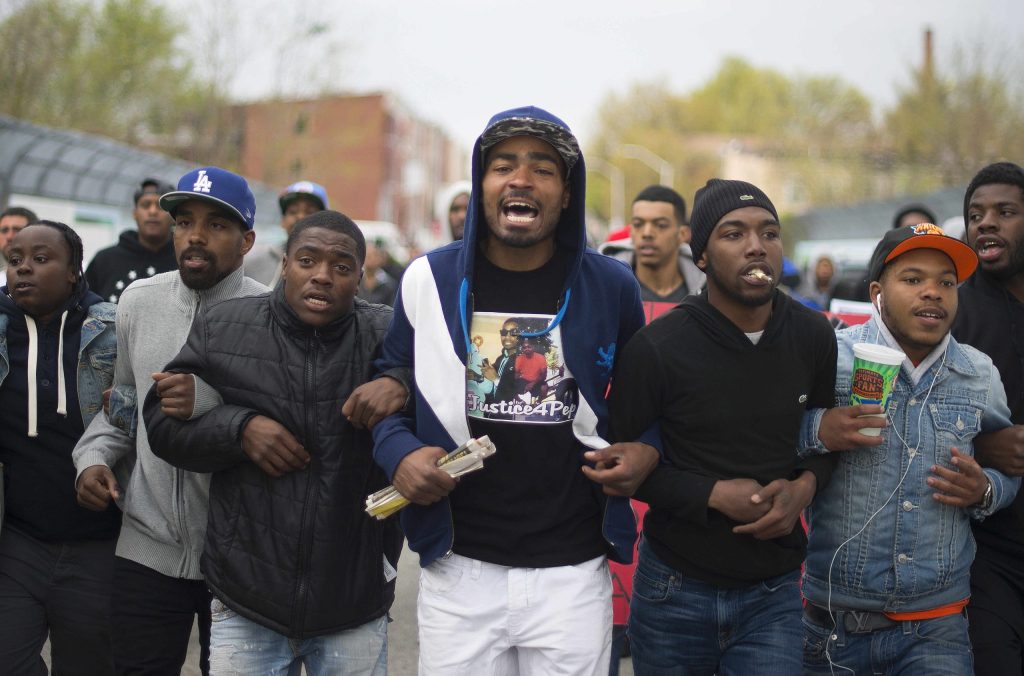
On August 8th at the Real News Studio, a screening of the new documentary Beyond the Wire—directed by filmmaker Dr. S. Rasheem—was followed by a panel discussion featuring seasoned conflict mediation organizers from the film. The participants explored their grassroots efforts to challenge the corporate media establishment’s heavy emphasis on crime—which drives city policy and the local economy—and redefine Baltimore’s historical present as a city of abolition.
Credits:
Videographer: Cameron Granadino/David Hebden
Editor: Cameron Granadino
Transcript
The following is a rushed transcript and may contain errors. It will be updated.
Speaker 1:
I’m going to be super brief. I largely just want to, again, thank everyone for coming out. I’m the producer of this film, but I’m sure you guys know you can’t do something like this by yourself, right? So I want to also thank the Baltimore Legacy Project Youth Crew who’s outside, who took your. I mean, they’ve just been really on point getting B-roll setting up. Really appreciate them a lot. Also, the folks that you saw in the film, thank you so much for trusting me with your voice, your story. I don’t take that lightly. And when I say you don’t do it by yourself, one of the. Oh, I also want to shout out. She’s not in here, but the narrator is actually here too. She’s part of Baltimore Legacy Project Youth Crew in the front. Her name’s Empress. Yep. But someone who is definitely in the thick of all of this with me is there’s several cinematographers, but there was one person who was the lead cinematographer, more or less the director of photography on this project.
They were also the
by Adam Mahoney | Sep 15, 2026 | black communities, data centers, EPA, Lee Zeldin, News, Pollution
Americans don’t agree on much, but that’s not the case when it comes to data centers. Seven in 10 Americans oppose building data centers for artificial intelligence in or near their communities. Despite this, the federal government is moving to make it easier for them to be built. And in some places, residents won’t even get the chance to raise concerns publicly or even know if a data center…
Source
by Adam Johnson | Sep 15, 2026 | Article, Israel, Media Criticism, Opinion, Palestine, Politics and Movements: International, Politics and Movements: US
Once again, anti-semitism is being cynically—and falsely—redefined in the press and broader Discourse as “pointing out uncomfortable facts about the nation state of Israel.”
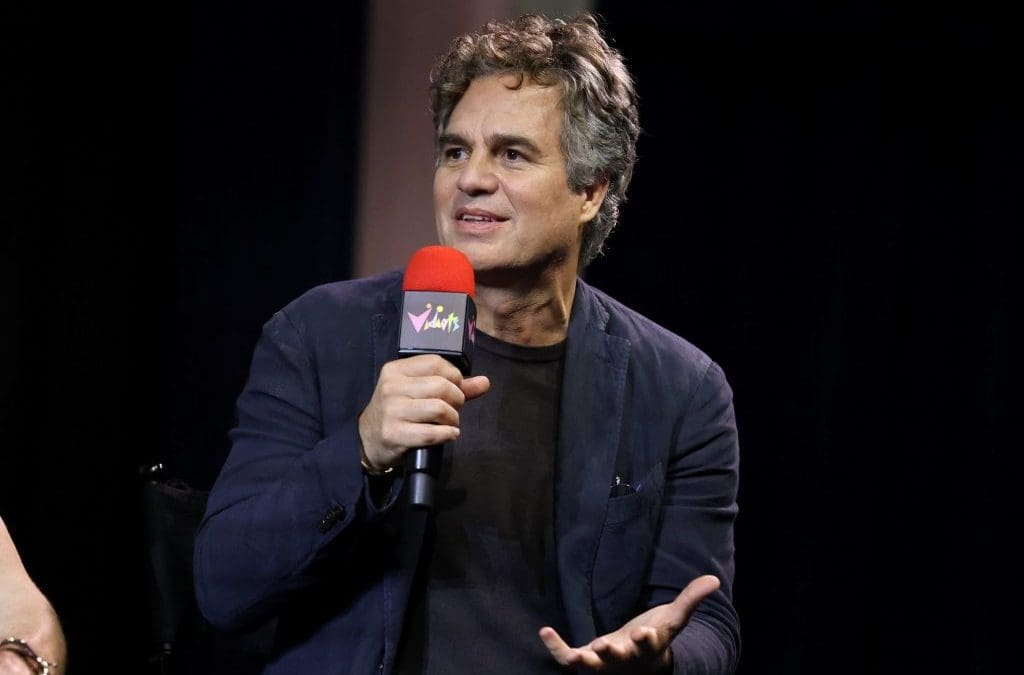
This past weekend, the Israel Crybully Lobby, using a familiar script I’ve detailed before, led a smear campaign against actor Mark Ruffalo because he had the temerity and integrity to note that the family vying to control not only 60 Minutes and CBS News, but CNN and HBO, is a committed and open supporter of Israel and its genocidal military.
Ruffalo is leading a broad coalition of antitrust activists, creatives, and filmgoers to oppose the pending Skydance Paramount-Warner Brothers Discovery merger and, in doing so, violated an unwritten rule against noting that the father-son duo behind the merger, David and Larry Ellison, are well-documented and open zionist advocates that not only lobby for and support Israel, but “privately” donate to their military. A military that—it’s worth noting—Human Rights Watch, Doctors Without Borders, B’Tselem, Physicians for Human Rights Israel, OxFam, the International Association of Genocide Scholars, and dozens of other humanitarian and human rights organizations have determined is committing genocide in Gaza. Ruffalo also pointed out that the Ellisons’ $400 billion fortune was largely built on military and surveillance technology from Oracle that is used, in part, to surveil, imprison, and kill Palestinians, as well combat opposition to Israel stateside.
Ruffalo simply noted the open and well-documented ideological commitments that the Ellisons themselves have long championed.
Predictably, the Israel Crybully Lobby and its one-note propaganda organs in the nonprofit and media world responded to these comments by accusing Ruffalo of “antisemitism” and engaging in “tropes”—many of which are not, of course,
by Shahad Ali | Sep 15, 2026 | Board of Peace, Ethnic Cleansing, Gaza, Genocide, Israel, News Analysis, Palestine
Nearly a year after Donald Trump announced the creation of the “Board of Peace,” which was ostensibly charged with ending Israel’s genocidal assault on Gaza and overseeing reconstruction, one of the figures most centrally involved in the body has warned that a complete collapse of the so-called ceasefire in Gaza could lead to a “point of no return.” Nickolay Mladenov…
Source