by Amy Goodman | Mar 12, 2026 | Donald Trump, Interview, Iran, iran war, Israel, Lebanon, Pete Hegseth, Trump Administration
Iranian authorities say the U.S. and Israel killed more than 1,300 civilians, striking over 10,000 civilian sites during the first 12 days of the war. This comes as Israel escalates attacks on Lebanon, killing at least 570 since the war began and displacing nearly 800,000 people. As President Trump dodges questions on how long the war will continue, reporting by Akbar Shahid Ahmed…
Source
by Jake Johnson | Mar 11, 2026 | Donald Trump, energy department, Iran, iran war, Israel, News, Oil, US Military, White House
U.S. Energy Secretary Chris Wright, a former fracking executive, was accused on Tuesday of manipulating global markets after he posted a striking claim on social media: The American Navy, he wrote, had “successfully escorted an oil tanker through the Strait of Hormuz to ensure oil remains flowing.” The post on X was deleted minutes later, after “oil prices slid at their steepest pace in years…
Source

by Adam Johnson | Mar 11, 2026 | Article, Iran, Media Criticism, Politics and Movements: International, Politics and Movements: US, terrorism, War
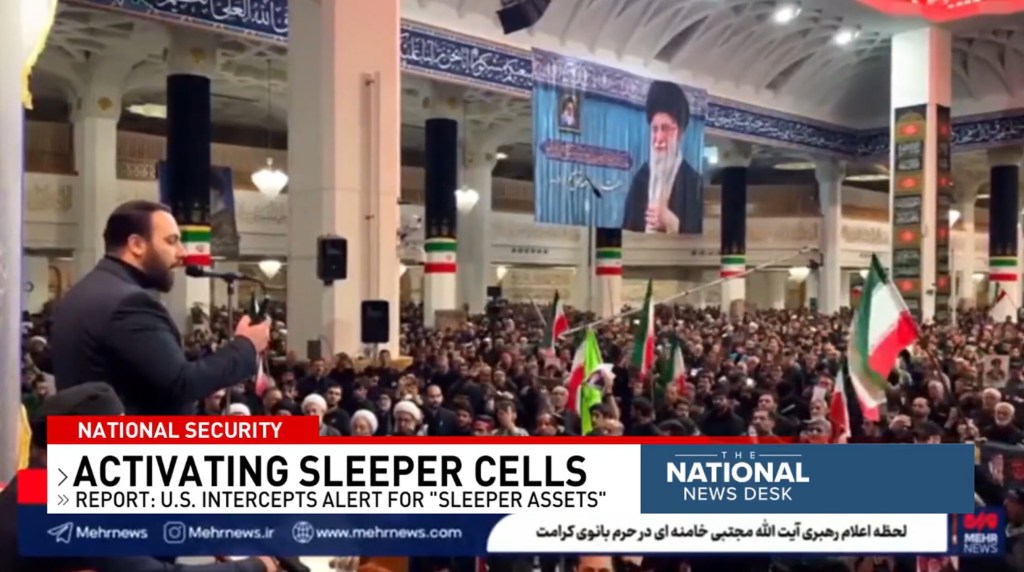
It’s not a war of aggression in the Middle East without the American media pushing out nonstop “sleeper cell” stories built on vague paranoia, supposed “chatter,” deliberate conflation of Sunni with Shia “terrorism,” and an even more deliberate conflation of mentally unwell “lone wolves” with state agents of Iran, sourced entirely from ex-spooks, zionist advocacy groups, and/or anonymous leaks from the US government. A trope as old as the War on Terror, “sleeper cell” stories are a media favorite because they require no actual reporting beyond copy-and-pasting anonymous government officials and quoting conflicted pro-war lobbyists, while providing an urgent sense of stakes to an increasingly cynical and war-weary public. Whenever polls show increased skepticism or opposition to bombing people 6,500 miles away, the U.S. security state and its media conduits can build support for these far-off wars by insisting that “sleeper agents” from the populations being bombed are hiding among you at your local PTA meeting or grocery store or strip mall and are ready to kill you and your loved ones at any time. This brings the war home without the messy burden of “evidence,” “proof,” or Things That Have Actually Happened.
Since the US launched its unprovoked war on Iran on Feb. 28, and in the weeks leading up to the attack, US media has uncritically promoted the broad narrative that Iranian sleeper agents are living among Westerners waiting on word to strike at any moment:
New York Times: Iran Could Direct Proxies to Attack U.S. Targets Abroad, Officials Warn (2/22/26)
Fox Business: Hezbollah, Hamas sleeper cell fears raised amid Iran strikes (3/2/26)
ABC News: Iran may be activating sleeper cells outside
by Branko Marcetic | Mar 11, 2026 | Article, Iran, Israel, Politics and Movements: International, Politics and Movements: US, Reprint, Trump, War
This story originally appeared in Jacobin on Mar. 10, 2026. It is shared here with permission.
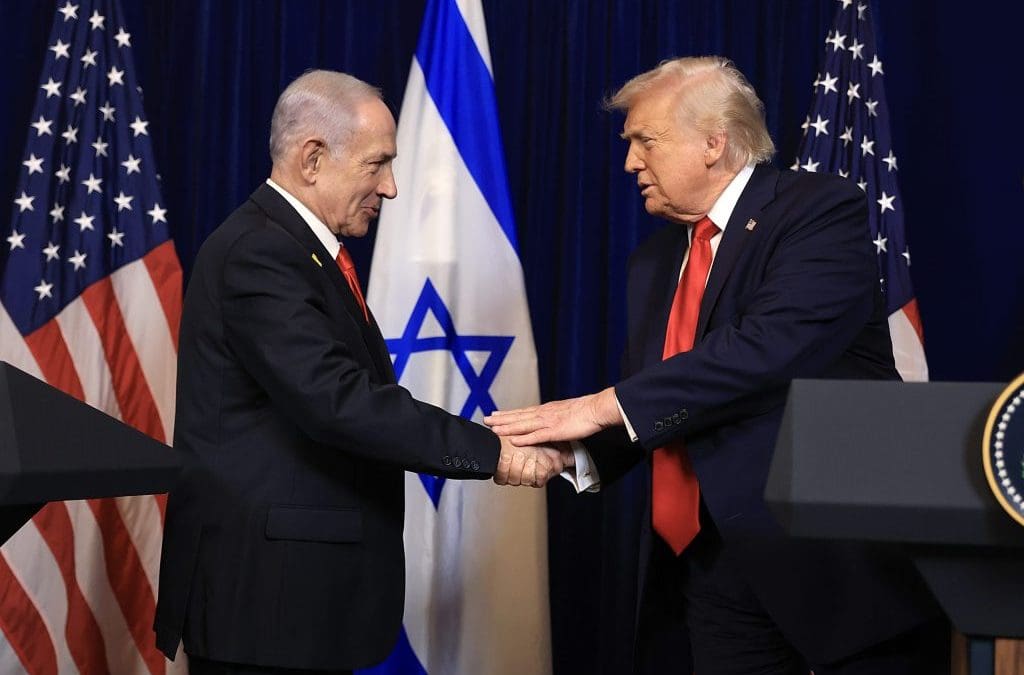
Over the weekend, the Washington Post was the latest to publish a claim that Israeli prime minister Benjamin Netanyahu used the threat of launching a war with Iran solo as a way to pressure Donald Trump into the disastrous war he has now embroiled the United States in. It’s at least the fifth piece of evidence now suggesting that the United States was pushed into this war by Israel, and that the very military support that Washington provides Israel has served as the mechanism to do it.
It’s tempting to see this as a deliberate way to dump responsibility for this horror show onto Israel and divert it away from the US president, who ordered it, and the US foreign policy establishment as a whole, which has salivated over a war with Iran for decades. But we have mounting evidence that Israel bears a huge amount of responsibility. Which raises the question: If Israel was indeed able to successfully trigger a US-Iran war, is any ceasefire or lasting peace possible here without Israel’s approval? This is particularly relevant to an American public that foots the bill for Israel’s war-making.
According to the Post, Netanyahu, “increasingly alarmed” that Trump might actually solve the Iran issue peacefully, repeatedly rushed to Washington over the past few months to make sure he went to war instead. A “key component of his drive to war,” reports the Post, was telling Trump that Israel would go ahead and attack Iran with or without his help, which “led Trump to believe an Israeli attack was inevitable” and that his best
by Sharon Zhang | Mar 10, 2026 | Iran, News, US Military, US Troops, war with Iran
The Pentagon admitted that at least 140 U.S. troops have been wounded after Reuters published reporting on American casualties on Tuesday, broadening the previously known toll of the war as Democratic lawmakers briefed on the fighting are warning that the Trump administration is moving toward a ground invasion. Reuters reported, citing two people familiar, that up to 150 American troops have…
Source
by Jake Johnson | Mar 10, 2026 | Article, Economy, Economy and Inequality, Iran, Politics and Movements: International, Politics and Movements: US, Reprint, Trump, War
This story originally appeared in Common Dreams on Mar. 10, 2026. It is shared here under a Creative Commons (CC BY-NC-ND 3.0) license.
The Trump administration is quietly pursuing a regulatory change that would strip federal nutrition assistance from an estimated 6 million low-income Americans—including nearly two million children—as it spends billions on an illegal, open-ended war on Iran that has killed more than a thousand people and plunged the global economy into chaos.
The change sought by the US Department of Agriculture would curb broad-based categorical eligibility in the Supplemental Nutrition Assistance Program (SNAP). Broad-based categorical eligibility allows states to automatically qualify residents for SNAP if they are already enrolled in other aid programs, such as Temporary Assistance for Needy Families, thus reducing administrative hurdles and costs.
The Center on Budget and Policy Priorities (CBPP) estimated in a blog post published late last month—the day before President Donald Trump announced the joint US-Israeli assault on Iran—that gutting broad-based categorical eligibility would likely strip modest federal food aid from around 6 million people, including nearly 2 million children.
“The people losing access to food assistance from SNAP, school meals, and [the Women, Infants, and Children Program] would mainly be working families, older adults, and people with disabilities,” the think tank noted. “In other words, the change would primarily harm groups that federal and state policymakers from across the political spectrum have long sought to help: people who work but are living near poverty; older adults and people with disabilities with low, fixed incomes; and people trying to build modest savings in order to become more economically independent.”
The Congressional Budget Office has projected that restricting broad-based categorical eligibility would result in roughly $11 billion in savings over a 10-year period—or just over $1 billion a year.
The Trump administration is currently spending