by Sharon Zhang | Apr 20, 2026 | Democrats, Donald Trump, Iran, Israel, Joe Biden, Kamala Harris, News, War, War Crimes
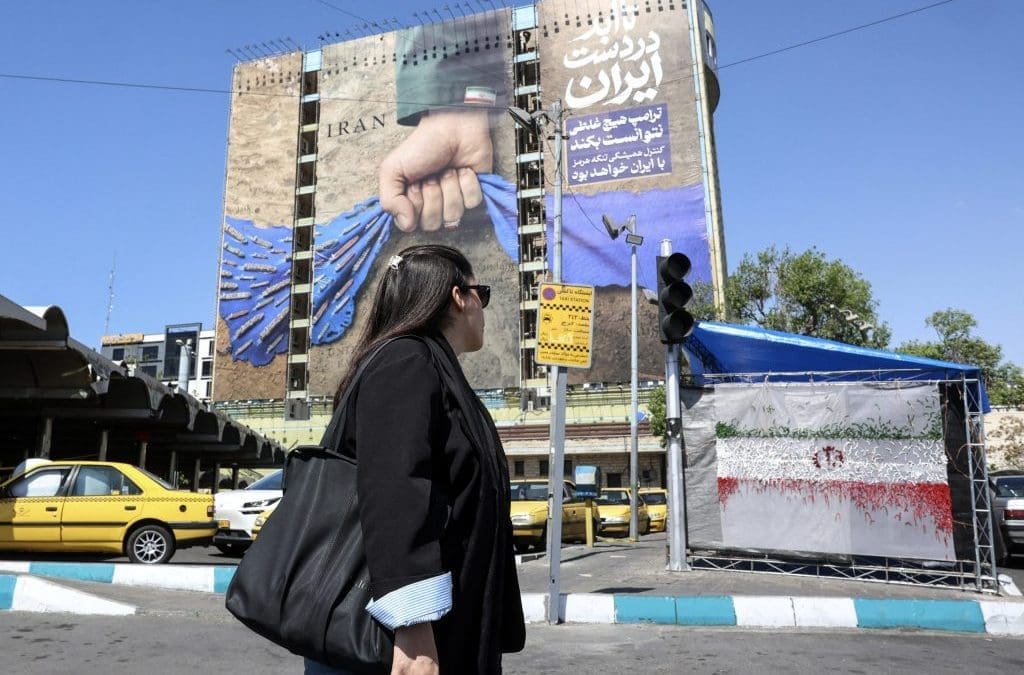
A top official from the Biden administration has said that he is supportive of President Donald Trump’s attack on Iran from June of last year and suggested that Joe Biden may have done the same if he had been elected to a second term in office. Amos Hochstein, senior energy adviser to Biden within the State Department, said that the Biden administration had modeled similar scenarios to last…
Source

by Qassam Muaddi | Apr 20, 2026 | Article, Iran, Israel, Politics and Movements: International, Politics and Movements: US, Reprint, War, west bank
This story originally appeared in Mondoweiss on April 19, 2026. It is shared here with permission.
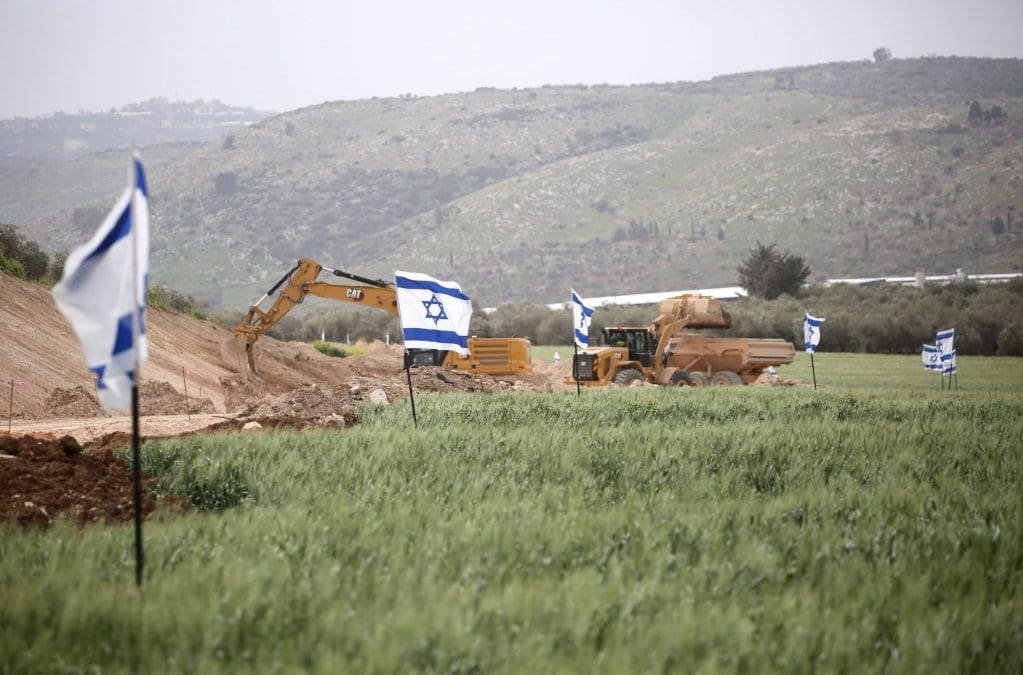
The Israeli cabinet approved the construction of 34 new West Bank settlements last week, bringing the total number approved by the ruling coalition led by Israeli Prime Minister Benjamin Netanyahu up to 103. The cabinet decision is the largest batch of new settlements approved in decades, breaking the record set by a previous landmark decision in June 2025, which approved 22 new settlements.
While the latest decision has been overshadowed by the regional conflagrations related to the U.S.-Israeli war on Iran, its timing indicates that Israel perceives a closing window for its ability to entrench its colonial project in its own backyard — the West Bank — in light of shifting realities that might see Iran emerging from the war intact and in a strengthened position regionally.
These developments come as Israel has reportedly been “coerced” to halt its onslaught against Lebanon by U.S. President Donald Trump, forcing it to accept a ceasefire with Hezbollah. Meanwhile, the very fact that the U.S. agreed to a temporary ceasefire with Iran was condemned by the entirety of the Israeli political establishment, both from within Netanyahu’s camp and from the Israeli opposition, who lambasted Netanyahu’s “failure” to overthrow the Iranian government.
While Israel will attempt to use the ceasefire in Lebanon to force the hand of the Lebanese government to accept the ongoing occupation of the southern part of the country, little military progress has been made against Hezbollah, which has reportedly rebuilt its military capabilities since it was bloodied by Israel in October 2024. Iran has also continued to show strength in the region through exerting control over the Straits of Hormuz,
by Amy Goodman | Apr 20, 2026 | Interview, Iran, Israel, Strait of Hormuz, War
While many Western countries have condemned Iran’s restrictions on shipping in the Strait of Hormuz as a breach of international law, reaction has been relatively muted about the “clearly unlawful” war that the United States and Israel launched against Iran, says law professor Maryam Jamshidi. “This says a lot about the ways in which international law is being deployed in this moment as a way…
Source
by Brett Wilkins | Apr 17, 2026 | Article, Economy, Economy and Inequality, Iran, Oil, Politics and Movements: International, Politics and Movements: US, Reprint, Trump, War
by Stephen Zunes | Apr 17, 2026 | Benjamin Netanyahu, Bush administration, Chuck Schumer, Democrats, diplomacy, Donald Trump, Hillary Clinton, Iran, Iran nuclear agreement, Iran Nuclear Deal, iran war, Israel, Kamala Harris, Obama administration, Op-Ed, Republicans, War, war in Iran
Unlike the invasion of Iraq, which received the support of a sizable minority of congressional Democrats, Donald Trump’s war on Iran has received near-universal criticism. Still, the party has focused primarily on process-style critiques — such as the legality of declaring the war under the Constitution and the war’s economic impact — rather than the humanitarian consequences and flagrant…
Source
by Adam Johnson | Apr 16, 2026 | Article, Iran, Israel, Military, Opinion, Politics and Movements: International, Politics and Movements: US, War
Over the weekend, some progressive pundits declared victory as influential liberal zionist organization J Street appeared to announce a major break with the pro-Israel consensus in the Democratic Party. The organization said on Twitter/X it is “calling for the U.S. to end unconditional financial military subsidies to Israel and to move towards a relationship where we treat Israel like any other ally.”
“’No More Exceptions’: J Street Backs Phasing Out All U.S. Aid to Israel by 2028,” reads a Haaretz headline. “However you feel about J Street, anyone who is still saying that they are indistinguishable from AIPAC is either unintelligent or a bad faith actor,” wrote pollster Adam Carlson. “Democrats [are] coalescing around ending military aid to Israel,” boasted Executive Vice President of Center for International Policy Matt Duss.
At first glance, this move may seem like a major shift left for the liberal think tank and the broader Democratic Party consensus around Israel. But upon closer inspection, it’s clear this talking point is mostly a sieve, a PR tactic that provides a pseudo-break from Israel but does little to alter the material reality of apartheid and genocide, all while buying time for a Democratic leadership increasingly at odds with their base—71% of whom now support cutting off military aid to Israel.
This narrative that J Street and leading Democrats more broadly are all getting behind “cutting military aid,” while strictly accurate under certain interpretations of the word “aid,” is deeply misleading. The effort is explicitly aligned with a broader right-wing program to move from direct funding of the military to “co-development and co-production of weapons,” and is designed to provide zionist