
The state of the free press in the US is… not good
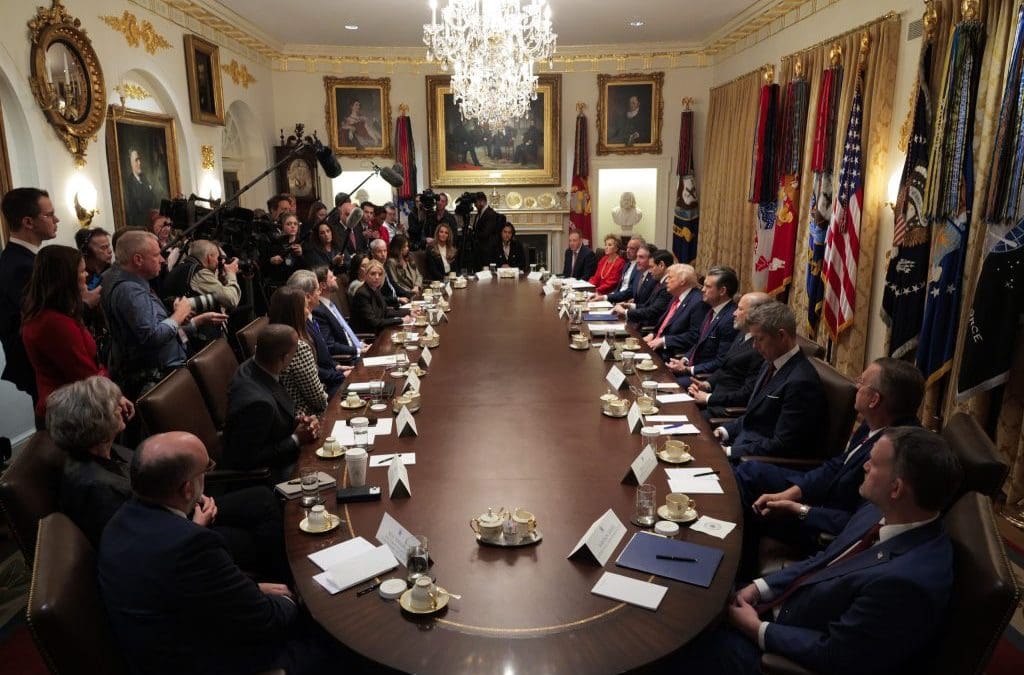
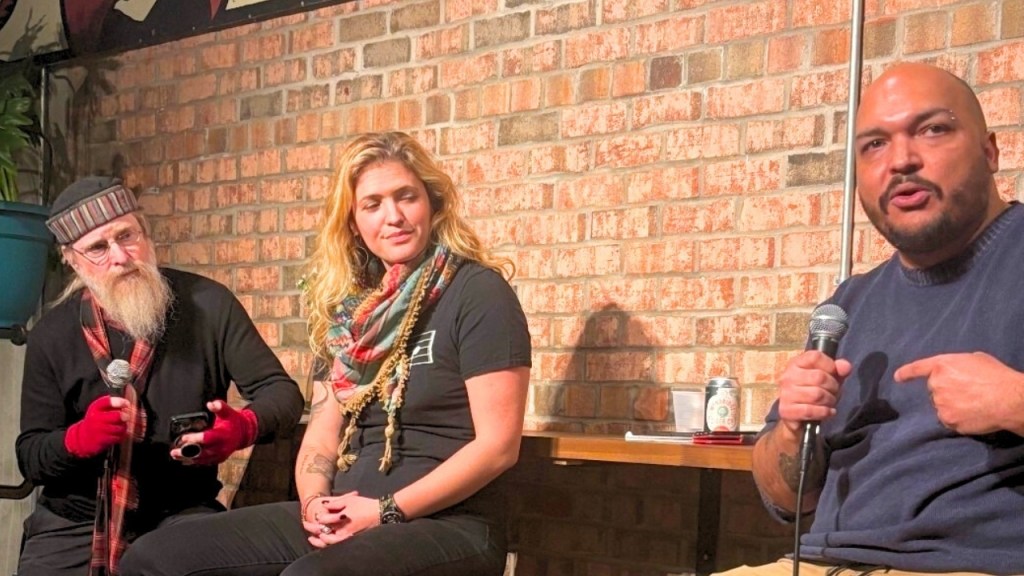
From direct attacks on the press from a fascistic federal government to the explosion of AI and the closure and consolidation of news outlets around the country, truth itself is under direct, relentless assault, as are the journalists who have committed their lives to reporting the truth about what’s happening in and to our world. And the intended result of these attacks is to create a more atomized, alienated, ignorant, disempowered public that is easier to divide, control, and manipulate. In this podcast, recorded at Red Emma’s Cooperative Bookstore and Cafe in Baltimore on Nov. 22, 2025, TRNN Editor-in-Chief Maximillian Alvarez speaks with Mickey Huff, Eleanor Goldfield, and Mischa Geracoulis from Project Censored about the world-shaping role media play in our politics today, and about how independent journalists and the communities they serve must work together to fight back against the powerful’s war on truth and truth-tellers.
Guests:
Project Censored website and Instagram
Mickey Huff, Shealeigh Voitl, & Andy Lee Roth (Eds.), Project Censored, State of the Free Press 2025
Movement Media Alliance website
Credits:
Audio Post-Production: Alina Nehlich
Transcript
Maximillian Alvarez:
Welcome everyone to the Real News Network podcast. My name is Maximillian Alvarez. I’m the editor in chief here at The Real News, and it’s so great to have you all with us. I’m going to tell you something that won’t be shocking to you, but it has dire consequences for all of us. In the United States of America here in the year of our Lord 2025. The state of the free press is not good from an openly fascistic and vindictive federal government and repressive university administrations to the explosion of artificial intelligence and the closure and consolidation of news orgs around
‘A forceful stand for our constitution’: judge orders release of Kilmar Ábrego García
This story originally appeared in Common Dreams on Dec. 11, 2025. It is shared here under a Creative Commons (CC BY-NC-ND 3.0) license.
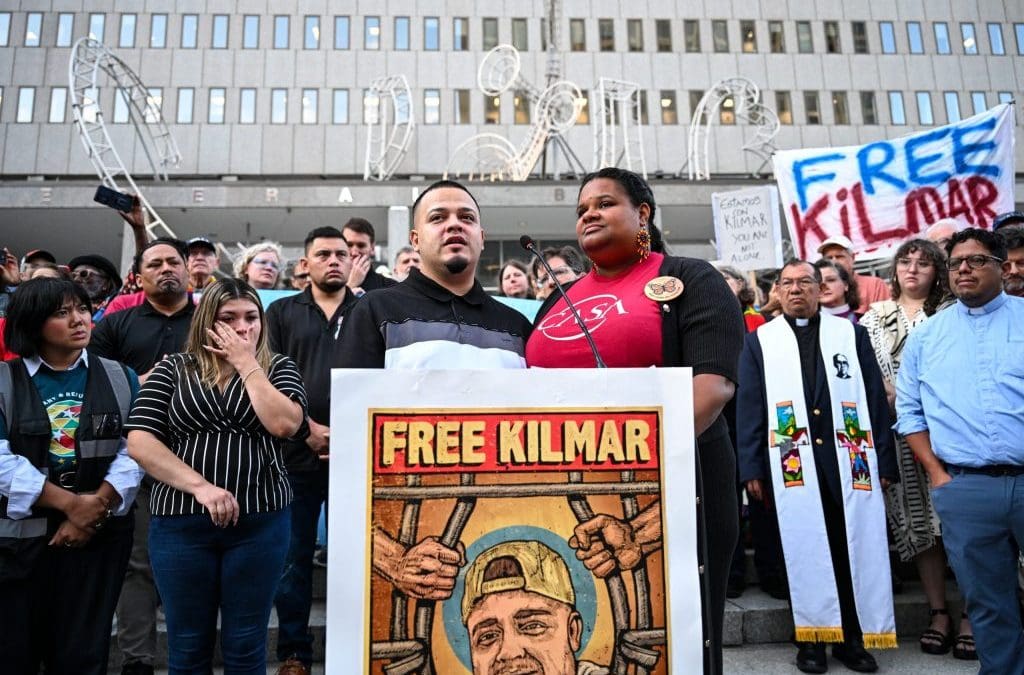
A federal judge on Thursday ordered the immediate release of Kilmar Ábrego García—who was wrongfully deported to El Salvador by the Trump administration earlier this year—from US Immigration and Customs Enforcement custody.
“Since Ábrego García’s return from wrongful detention in El Salvador, he has been redetained, again without lawful authority,” US District Judge Paula Xinis wrote in her ruling. “For this reason, the court will grant Ábrego García’s petition for immediate release from ICE custody.”
In early April, Xinis—an appointee of former President Barack Obama—ordered the Trump administration to facilitate Ábrego García’s return to the United States after he was deported in March to the abuse-plagued Terrorism Confinement Center (CECOT) maximum security prison in El Salvador. This, after the US Department of Justice (DOJ) admitted in a court filing that Ábrego García was wrongfully deported due to what it called an “administrative error.”
The US Supreme Court also weighed in on the case in favor of Xinis’ ruling. However, the Trump administration refused to comply with the judge’s order, arguing that it had no legal obligation to return Ábrego García to the US and could not force El Salvador’s government to free him.
The DOJ dubiously contended that Ábrego García—a 30-year-old Salvadoran father of three who entered the US without authorization when he was a teenager—was a member of the gang MS-13, an allegation based on a statement from an anonymous police informant. The Trump administration deported him despite a judge’s 2019 ruling that he could not be removed to El Salvador because he could be tortured there.
An attorney representing Ábrego García said at the time that his client suffered beatings and “psychological torture” while imprisoned
Trump admin reportedly pushing ICC to exempt Trump from war crimes prosecution
This story was originally published on Truthout on Dec. 10, 2025. It is shared here under a Creative Commons (CC BY-NC-ND 4.0) license.
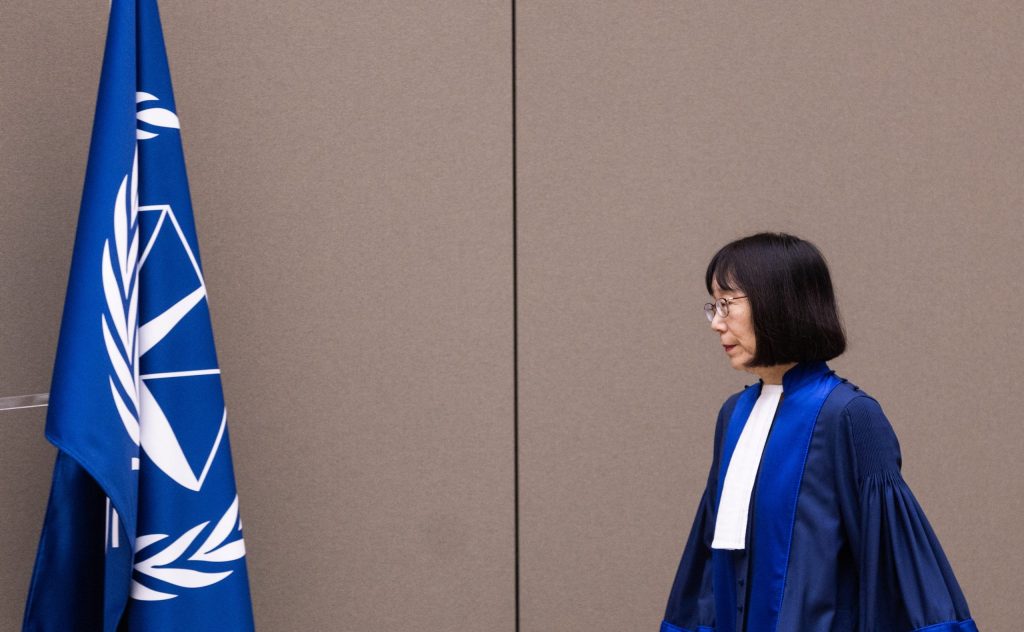
The Trump administration is reportedly trying to strongarm the International Criminal Court (ICC) into changing its founding document to carve out an exception for President Donald Trump and his top officials ensuring that they are never prosecuted by the court for potential war crimes.
The administration is threatening the ICC with yet more sanctions if they do not amend the Rome Statute, which established the court in 2002, to ensure Trump and his administration’s top officials are never prosecuted, Reuters reports, citing a Trump administration official.
U.S. officials are also demanding that the ICC drop its investigations into Israeli Prime Minister Benjamin Netanyahu and former Israeli Defense Minister Yoav Gallant over charges related to Gaza, as well as a probe into potential war crimes committed by U.S. troops in Afghanistan.
These demands have been made known to the court by the U.S. government, Reuters reports.
“There is growing concern … that in 2029 the ICC will turn its attention to the president, to the vice president, to the secretary of war and others, and pursue prosecutions against them,” the Trump administration official told Reuters. “That is unacceptable, and we will not allow it to happen.”
The official said there is “open chatter” within the international legal community about the possibility of prosecuting Trump and other top officials in relation to international human rights violations.
The official did not specify why the administration would be afraid of such charges being issued.
Experts say that the Trump administration is committing war crimes and crimes against humanity in its boat strike campaign and its military support of Israel

Venezuela and the challenge of international solidarity
Throughout 2025, the government of Nicolás Maduro in Venezuela has faced growing and violent pressure from the United States, with President Trump’s administration deploying naval fleets in the Caribbean, ordering lethal and illegal strikes on suspected drug trafficking vessels departing from the Venezuelan territory—and, most recently, seizing a massive oil tanker off the Venezuelan coast. In response, Maduro has invoked emergency powers, mobilized militias, and signaled that his regime is preparing for military confrontation rather than compromise with the US, all while Trump and Maduro face waves of popular dissent and unrest within their own countries. In this urgent episode of Solidarity Without Exception, co-host Blanca Missé speaks with Venezuelan journalist and researcher Simón Rodríguez Porras about the decades-long path that has led us to the brink of war between the US and Venezuela, and about the need for working people around the globe to oppose Trump’s imperialist aggression and stand in solidarity with the Venezuelan people without excusing or ignoring the political crisis within Venezuela itself.
Guests:
Simón Rodríguez Porras is a Venezuelan journalist, researcher, and editor at Venezuelanvoices.org.
Credits:
Pre-Production: Blanca Missé
Audio Post-Production: Alina Nehlich
Transcript
The following is a rushed transcript and may contain errors. A proofread version will be made available as soon as possible.
Blanca Missé:
As the confrontation between the US and Venezuela intensifies, we find ourselves at a pivotal moment where international, working-class solidarity is very much needed. Across 2025, the government of Nicolas Maduro in Venezuela has faced growing pressure from Washington with naval deployments in the Caribbean, lethal strikes, unsuspected drug trafficking vessels departing from the Venezuelan territory, and an escalating rhetoric of national defense from Caracas. In response, one US
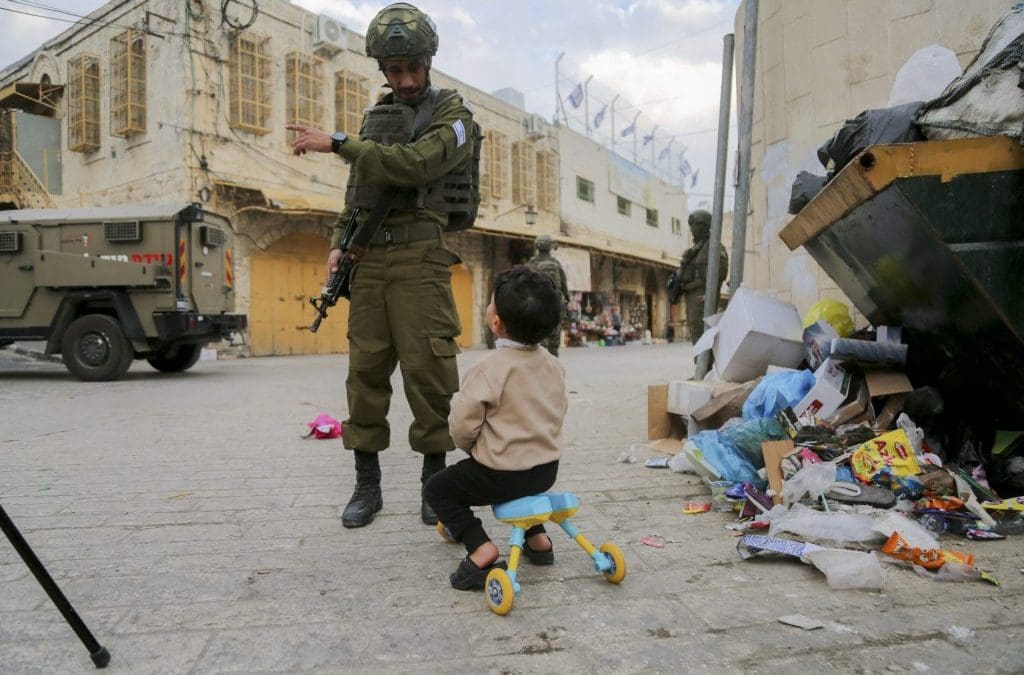
Annual defense bill includes provision to effectively undo Israel arms embargoes
This story was originally published on Truthout on Dec. 09, 2025. It is shared here under a Creative Commons (CC BY-NC-ND 4.0) license.
The 2026 military funding bill released this week would require the U.S. to assess Israel’s weapons arsenal and suggest ways to undo any “gaps” that may be caused by arms embargoes imposed by other countries protesting Israel’s violence.
A provision in the “must-pass” National Defense Authorization Act (NDAA) bill for 2026, released by lawmakers on Monday, requires the Secretary of Defense to “conduct a continual assessment of” the “impact on Israel’s defense capabilities” from arms embargoes and other restrictions placed on arms exports to Israel.
The department must then report on “resulting gaps or vulnerabilities in Israel’s security posture” against “adversaries” like Iran, Hamas, and Hezbollah, the bill text says.
Then, officials must conduct an assessment to identify any of Israel’s military “needs” and actions that the U.S. could take to “mitigate such gaps in defensive capabilities.” Such actions could include “addressing barriers” to arms deliveries, expanding cooperation with Israel to develop military technology, and sending weapons directly.
The Defense Secretary, along with the Secretary of State and Director of National Intelligence, must ensure that the report on the subject is updated at least once every 180 days, the bill says.
The remarkable measure comes as a response to at least two dozen countries that have restricted or ended weapons transfers to Israel since its genocide began on October 7, 2023. It also comes after countless experts, including watchdogs within the State Department, have said that continuing to send weapons is illegal under domestic and international law.
Many of these arms embargoes have had little difference on Israel’s ability