

Germany is leading Europe toward World War III
Minnesota trade unionists among those targeted in federal indictments of ICE observers
This story originally appeared in Workday Magazine on June 16, 2026. It is shared here with permission.
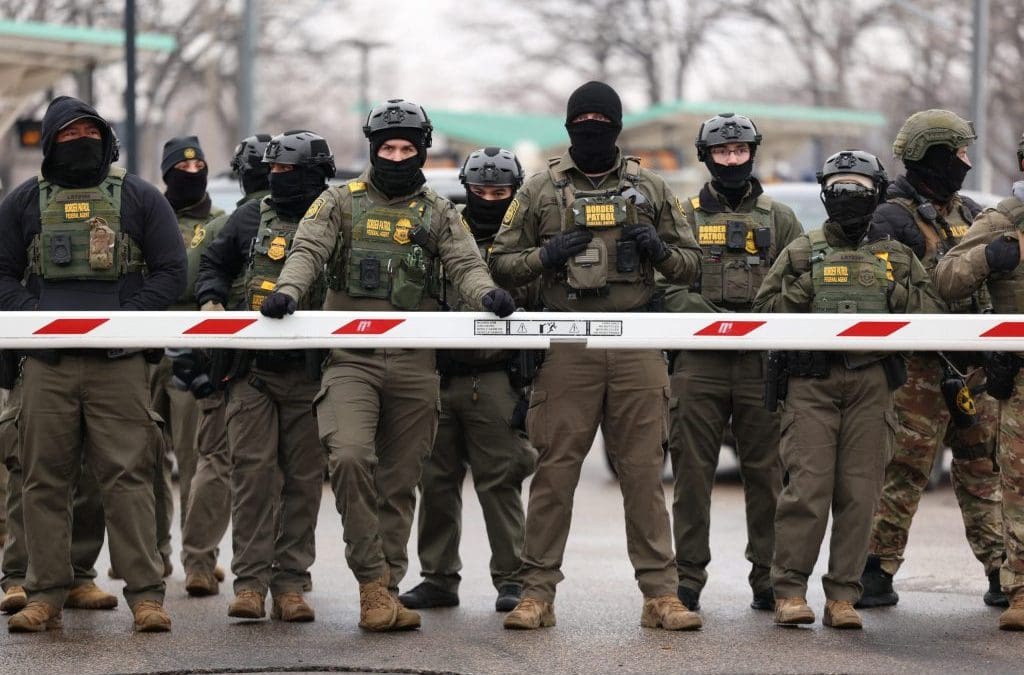
Minnesota trade unionists active in worker assemblies are among the 15 people indicted by the federal government today, as part of a sweeping crackdown on organizing in opposition to the ICE and Border Patrol since December 2025. Among a slew of other allegations, the indictment cited some of the individuals’ participation in assemblies of trade unionists and other workers held at the United Labor Centre in Minneapolis as evidence that the activists participated in a criminal conspiracy.
All 15 of the people indicted are charged with “conspiracy to impede or injure a federal officer,” which activists describe as an effort to use draconian charges to crush Minnesota’s widely celebrated organizing against the armed federal agents who descended on the state this past winter.
“Trade unionists active in worker assemblies are among those who were arrested,” says Kieran Knutson, president of Communications Workers of America Local 7250. “The trade unionists I’ve known for years are stand-up people who believe in solidarity. They believe an injury to one is an injury to all. They are outstanding union activists in their union and workplace, and I’m proud to know all of them.”
Marcia Howard, the president of the teacher chapter of the Minneapolis Federation of Educators (MFE) Local 59, confirmed that trade unionists are among those detained. “I find it telling that they are going after unionists, including educators I know of right now, that they are going after workers. I’m really pissed off,” she said.
Howard is withholding the exact number of trade unionists and their union roles out of concern for
The U.S. and Iran have struck a deal to open the Strait of Hormuz, but Israel may prevent an end to the war
This story originally appeared in Mondoweiss on June 16, 2026. It is shared here with permission.
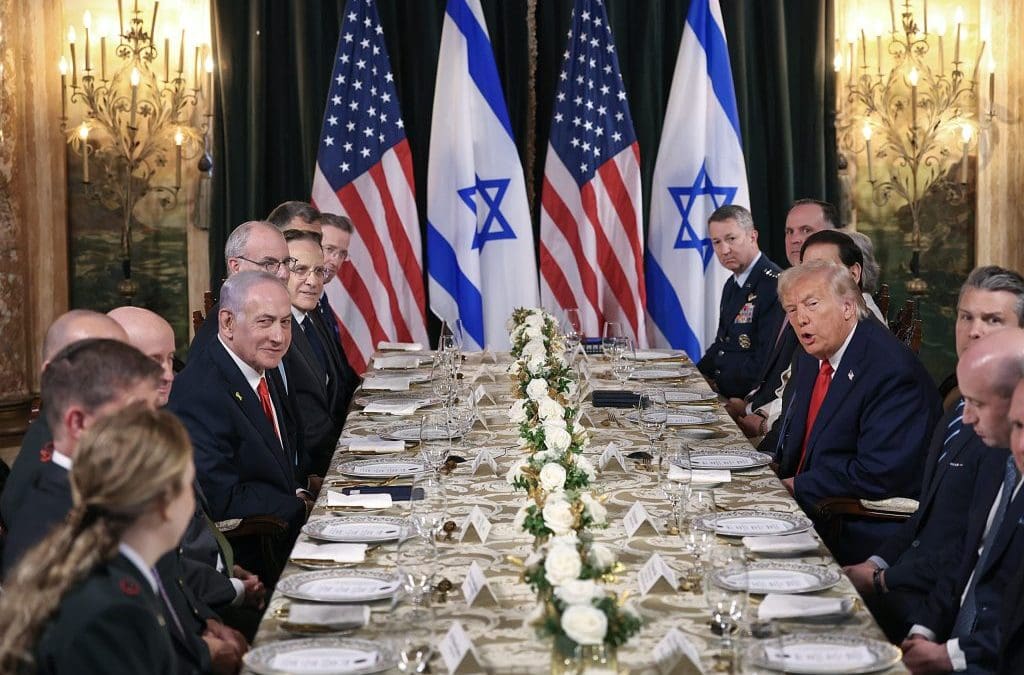
According to reports, the Memorandum of Understanding (MOU) between the United States and Iran to open the Strait of Hormuz and formally end the fighting between the two countries was signed on Monday.
It is important to clarify that, regardless of White House statements, this is not a peace deal. It is an agreement to end the standoff in the Strait of Hormuz and a commitment to stop fighting for 60 days while an agreement is reached, hopefully. The negotiation period can be extended if both parties agree. Still, it is a important agreement that indicates a end to this disastrous war could be in sight.
But as usual Israel stands to play the role of spoiler. The one thing that is most clear is that Tel Aviv won’t give up on its long-term goal of regime change in Iran. But if this MOU actually takes effect and opens the Strait of Hormuz, that will not be achieved through this war.
What is the agreement?
According to American officials, details of the MOU will be released in the next day or so. But we already have a pretty good idea of what it says and what it does not say.
While none of the terms have been announced, it seems certain that the mutual blockades of the Strait will be lifted and commercial traffic will flow through the whole Persian Gulf again. That might take a bit of time, as mines planted by Iran must be removed, a delicate process. But if all sides cooperate, it will be done in short
‘Alarm’ at White House after Vance and Miller pushed Insurrection Act, habeas corpus suspension during anti-ICE protests
This story originally appeared in Common Dreams on June 15, 2026. It is shared here under a Creative Commons (CC BY-NC-ND 3.0) license.
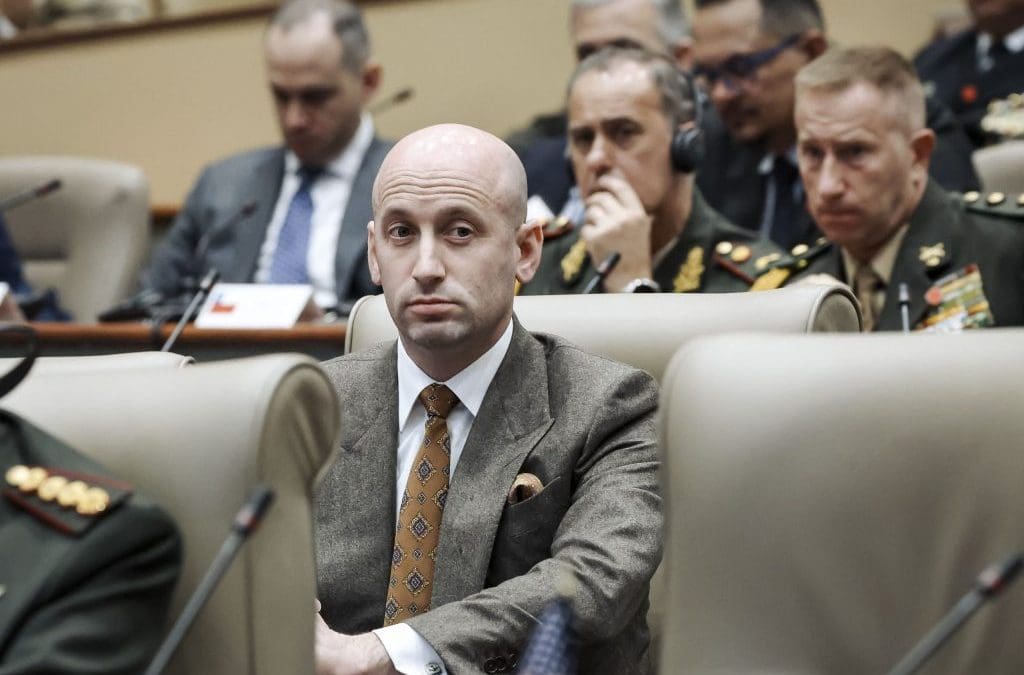
A Monday report in The New York Times revealed what it described as the “alarm” felt by some White House lawyers at proposals made earlier this year by Vice President JD Vance and Trump adviser Stephen Miller as the administration was forced to contend with widespread anger over its anti-immigration agenda.
Among other things, the Times reported that Vance pushed for President Donald Trump to invoke the Insurrection Act, which would allow for the US military to be deployed on American streets, in an effort to shut down mass protests in Minnesota against federal immigration enforcement operations in the state.
A few days after US Immigration and Customs Enforcement (ICE) officers fatally shot demonstrator Alex Pretti in the streets of Minneapolis, the Times reported that Vance—who had also elevated a baseless claim by Miller that Pretti had been a “would-be assassin”—said invoking the Insurrection Act was necessary “to crush the unrest in Minnesota.”
Vance also believed invoking the law would send a “message” that “paid agitators could not get away with disrupting ICE operations”—even though, as the Times noted, there is no evidence that Pretti; demonstrator Renee Good, who was also killed by federal agents; or any other organizers in Minnesota or elsewhere received any money in exchange for protesting.
However, right-wing attorney Will Scharf quickly shot down Vance’s suggestion, noting that the Insurrection Act is an instrument aimed at putting down armed rebellions rather than groups of citizens blowing whistles at ICE officers.
Former White House Deputy Chief of Staff James Blair then made the political case against invoking the Insurrection Act.
“The scenes of federal agents in Minnesota already looked chaotic, he said, and the public was recoiling,” reported the
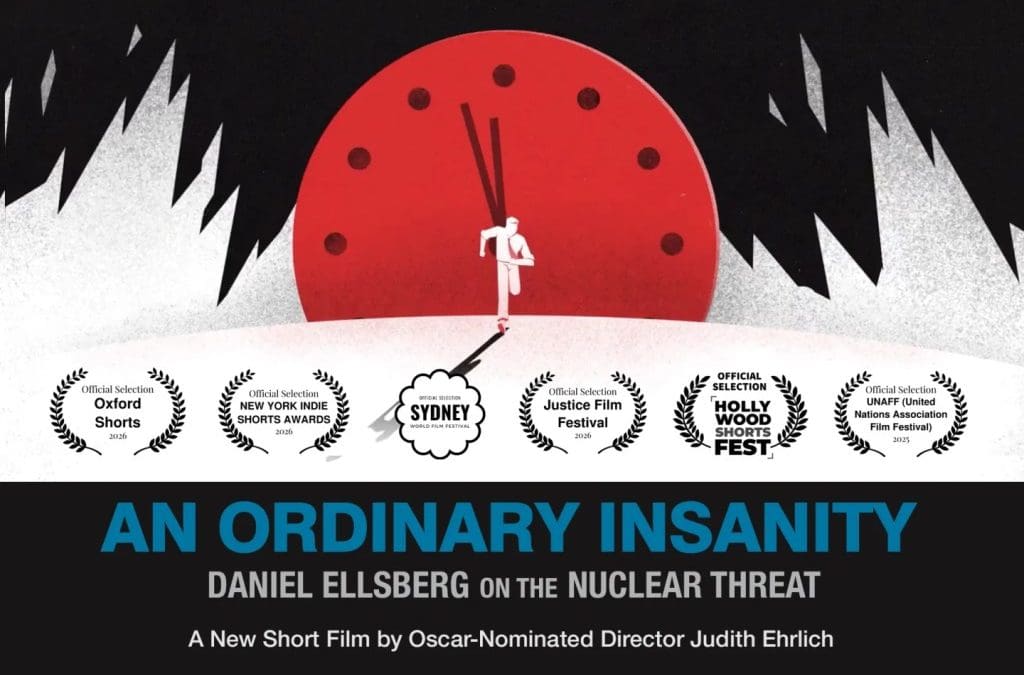
The New Documentary ‘An Ordinary Insanity’
This article was originally published by Progressive Hub on June 11, 2026. It is shared here with permission.
This film presents a synthesis of my father’s book The Doomsday Machine. His book depicts the evil murderousness of nuclear war plans, and the particular dangers posed by ICBMS, with their first strike capability, intended to be launched on warning.
He believed that with these weapons both the U.S. and the USSR/now Russia had constructed Doomsday Machines, capable of destroying most life on earth — machines that are particularly dangerous because neither side acknowledges this reality but continue to proceed as if there were some circumstances in which it was possible to win a nuclear war.
The epigraph from Dad’s book is from Nietzsche: “Madness in individuals is something rare; but in groups, parties, nations and epochs, it is the rule.”
And I am very glad that this film expands on that particular theme with the title: “Ordinary Insanity” — ordinary, as he says, because it is so widely shared.
And that points to a theme that underlies his most recent, posthumous book, Truth and Consequence: Reflections on Catastrophe, Civil Resistance, and Hope. These reflections, drawn from notes he wrote for himself over fifty years, reflect his deep meditation on what kind of flaw in the human species makes us vulnerable to this kind of insanity.
In other words, we have to face, on the one hand, the particular danger posed by the weapons we have created and the strategies that dictate their function and use. But we also have to contend with the kind of danger posed by human beings — all of us capable of participating in projects that are evil,