by Amy Goodman | Aug 1, 2026 | Boat Strikes, Caribbean, Ecuador, Interview, Latin America, Pentagon, Trump Administration
U.S. boat strikes across the Caribbean and eastern Pacific have killed at least 221 people since September, while the Trump administration has provided no evidence linking the vessels or their passengers to drug trafficking. Ecuadorian prosecutor Alexandra Bravo was fatally shot on June 14 by a hitman in the city of Manta. Bravo had been investigating U.S. strikes on three Ecuadorian boats in…
Source
by Frances Madeson | Aug 1, 2026 | American Water, Illinois, News, public commons, public goods, public utilities, Water, water privatization
The road from public ownership of a municipal water system to privatization is a one-way street paved with regret. Once public ownership is lost, it’s a rarity to recover control. Bolingbrook, Illinois, has been trying to for the last 15 years. Missoula, Montana, is one extraordinary success story, but it took sustained public support, political will across administrations, costly decades in the…
Source

by Duncan Levin | Aug 1, 2026 | Congress, Criminal Justice, Opinion
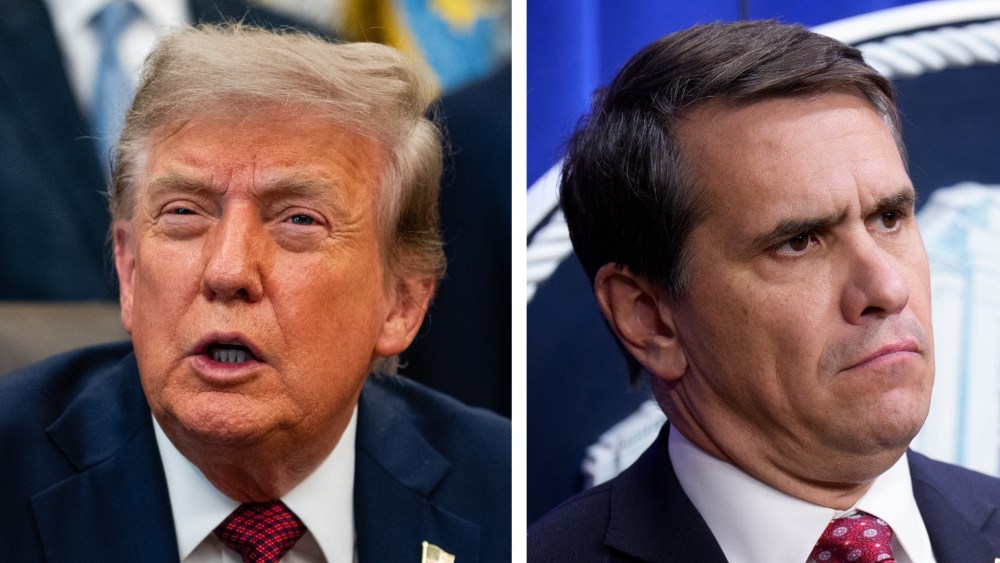
President Donald Trump’s threat to withdraw Todd Blanche’s nomination as attorney general permanently and renominate him again after recalcitrant Republican Sens. John Cornyn and Thom Tillis are out of the Senate underscores what this confirmation process is really about.
It is not about who will run the Justice Department but whether the Senate will endorse what Blanche has already done there.
Rejecting the nomination would not immediately remove Blanche from the department’s leadership.
Blanche, the acting attorney general since April, was previously the Senate-confirmed deputy attorney general, overseeing the department’s criminal and national security work. If Trump withdraws the nomination, Blanche could remain in control — potentially well into 2027 — under federal statutes governing succession and acting appointments. Rejecting the nomination would not immediately remove Blanche from the department’s leadership.
Set aside, for a moment, that the Republican opposition publicly blocking Blanche’s confirmation currently consists of two senators — both acting only after their political futures were settled. The context leading up to this week’s confirmation standoff is important.
Play
Trump may wait out GOP holdouts on Blanche nomination
July 31, 2026 / 09:31
Blanche was Trump’s personal criminal defense lawyer from 2023 through 2024. As a former federal prosecutor, Blanche gave legal vocabulary and professional credibility to Trump’s grievances about investigative “witch hunts” and “corrupt” prosecutors. Blanche helped turn Trump’s belief that prosecution is political warfare into a theory of law enforcement.
Then Trump placed him in charge of law enforcement, and the defense theory became the governing philosophy.
Consider the record: Under Blanche, the DOJ has repeatedly pursued people Trump publicly identified as enemies. Cases against former FBI Director James Comey and New York Attorney General
by Jeremy Busby | Aug 1, 2026 | FISA, Op-Ed, Policing, Prisons, Privacy, Surveillance
Congress is grappling with the renewal of Section 702 of the Foreign Intelligence Surveillance Act (FISA), the controversial program that allows the U.S. government to surveil foreigners and the individuals that correspond with them, including Americans. Its proponents say it’s vital to national security, but civil liberties advocates say it’s unconstitutional. Section 702 expired on June 12…
Source
by Lauren Harper | Aug 1, 2026 | Congress, Opinion
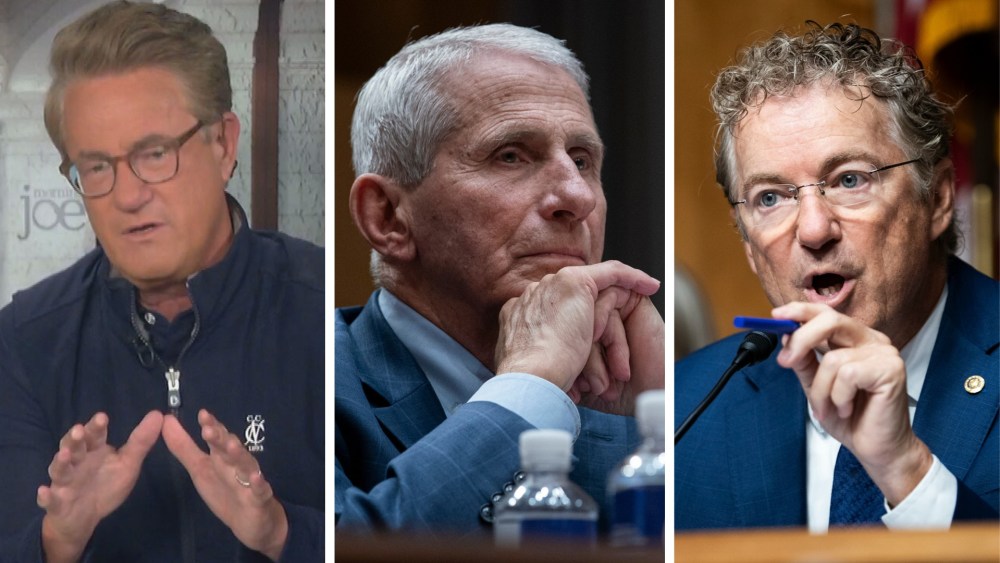
Dr. Anthony Fauci’s refusal to answer questions during this week’s hearing on the origins of the Covid-19 pandemic dominated headlines. But an underappreciated irony of the controversial hearing is that we are only capable of debating Fauci’s accounting for his pandemic performance because he preserved his records in the first place.
This same level of public scrutiny is rapidly becoming impossible across the rest of the federal government. Rather than engaging in genuine transparency, the Trump administration is selectively releasing records that align with its political priorities while actively shredding its own paper trail.
This week’s hearing focused on over a thousand pages of diary entries written by Fauci between 2019 and 2022 — which Fauci argued were personal — that were obtained by Sen. Rand Paul, R-Ky., from Health and Human Services Secretary Robert F. Kennedy, Jr., and published online days before the hearing.
While the administration publishes Fauci’s unredacted diaries, it is simultaneously proposing a government-wide nondisclosure agreement to muzzle federal workers from sharing the very kinds of information Paul released.
Fauci condemned the release as an invasion of his privacy, and while it’s true that the government should never release information without proper vetting, the preservation of Fauci’s records on government servers complicates claims that the records were purely personal. It’s also worth noting that some entries were already memorialized in Fauci’s 2024 memoir, or reiterated in media interviews, making them fair game for disclosure and demonstrating genuine public interest in the records.
A far better way to balance privacy rights and public interest in the records would have been through the Freedom of Information Act, where career professionals could redact sensitive