by Chris Walker | Jul 29, 2026 | Centers for Medicare & Medicaid Services, health care, Medicare, Medicare cuts, Medicare Part D, Mehmet Oz, News
On Tuesday, the Trump administration announced its plans to end a subsidy program for Medicare Part D, which has helped lower prescription drug costs for tens of millions of enrollees in the program for the past two years. The Biden-era program provided subsidies to insurance companies, which in turn lowered the cost of drugs for seniors in Medicare. If repealed, many enrollees in the program…
Source
by Steve Benen | Jul 29, 2026 | Health, Maddowblog, News, Politics
When George W. Bush’s administration took steps to pass Medicare Part D ahead of the Republican president’s re-election campaign, the entire process was an embarrassing mess. The White House misled Congress about the cost of the prescription drug program, GOP leaders on Capitol Hill used ugly tactics to force through legislation and Republicans insisted the whole endeavor be deficit financed, their “fiscal responsibility” rhetoric notwithstanding.
Democrats fought against the proposal, pushing a more efficient and more cost-effective approach, but their efforts fell short, and Bush’s policy became law in late 2003.
In the years that followed, Democrats resisted calls to repeal Medicare Part D and instead took steps to make it better. In fact, during Joe Biden’s presidency, federal policymakers agreed to help subsidize millions of seniors’ prescription drug costs as part of a broader effort to improve the Bush-era policy.
Take a wild guess what Donald Trump and his team want to do to those subsidies. The Wall Street Journal reported:
The Trump administration plans to end a subsidy program that helped hold down premiums for Medicare drug plans, a move that could leave many seniors facing higher rates for their prescription coverage next year.
The move will eliminate a program that is giving insurance companies an estimated $3.6 billion in subsidies this year to blunt increases in premiums for the Medicare prescription plans, known as Part D. The program will end after 2026, according to administration officials.
Mehmet Oz, the administrator of the Centers for Medicare & Medicaid Services, confirmed via social media that the subsidies had been scrapped, but he argued that they were no longer necessary and that Medicare beneficiaries would have
by Steve Benen | Jul 29, 2026 | Maddowblog, News, Politics
In mid-June, after Donald Trump announced that he wanted Jay Clayton to succeed Tulsi Gabbard as his director of national intelligence, Senate Majority Leader John Thune touted the U.S. attorney’s qualifications for the office. A Capitol Hill reporter, however, reminded the South Dakota Republican that the DNI statute says the officeholder should have “extensive” experience in intelligence and national security — which Clayton objectively lacks.
“So why is he qualified?” the reporter asked. Thune replied that those who have worked with Clayton have found him to be “incredibly competent.”
That might be true, but the law (which Thune helped pass after the 9/11 attacks) doesn’t include an asterisk. Congress is supposed to confirm only directors of national intelligence with extensive experience in intelligence and national security, not inexperienced people who seem otherwise impressive.
The Senate majority leader’s perspective, to the surprise of no one, carried the day, and Clayton was confirmed late Tuesday on a 51-47 vote that fell along party lines.
Democrats who lost confidence in Clayton will find some solace in the fact that his confirmation at least ends Bill Pulte’s destabilizing tenure as the acting DNI. But as the dust settles on the nominating fight and Clayton prepares to take office, it’s worth appreciating just how little Senate Republicans care about the statutory qualifications that many of them helped establish.
Since the Office of the Director of National Intelligence was created, nine people have been confirmed to hold the position. Three of the nine stand out, but not in a good way.
John Negroponte (Bush nominee): Negroponte had more than four decades of experience in the Foreign Service and served as the deputy

by Michael A. Cohen | Jul 29, 2026 | Opinion, White House, World
As America’s war with Iran enters its fifth month, the U.S. military is running out of munitions — or maybe it’s not.
Over the weekend, NBC’s Kristen Welker asked U.N. Ambassador Mike Waltz about press reports that President Donald Trump called off a major military strike against Iran because U.S. munitions stockpiles were depleted.
“A lot of our stockpiles were depleted because of Biden,” he said.
But, asked if he was acknowledging that stockpiles were depleted, Waltz said, “No.”
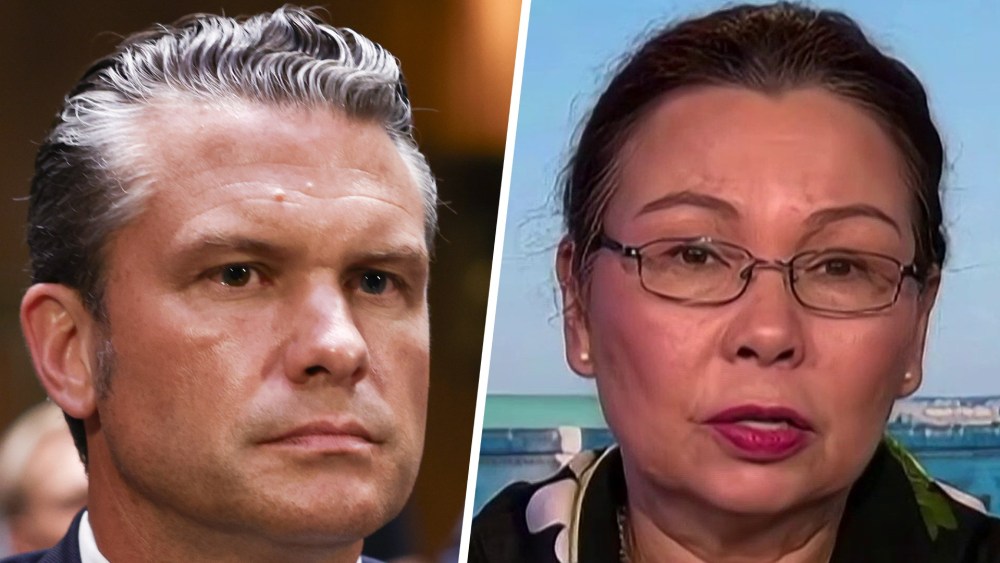
No one has flip-flopped on this topic quite like Defense Secretary Pete Hegseth.
Confused? Join the club. Since the beginning of this conflict, Trump administration officials have been performing this rhetorical tap dance.
“We’re in very good shape,” Trump said on Monday about America’s munitions supply. But then he added that “for some of the more sophisticated stuff, we’d certainly like to have more. Biden gave a lot of it away.”
But no one has flip-flopped on this topic quite like Defense Secretary Pete Hegseth. In the first days of the Iran war, he declared that there was “no shortage of munitions” and that “our munitions are full up.” In April, however, he told lawmakers it would take months or years to replenish America’s weapons supplies. In June, he went back to his earlier position, saying on CBS’s “Face the Nation” that America’s munitions “stockpiles “are great, and they’re only getting stronger.” And in congressional testimony last week, Hegseth couched the administration’s Pentagon budget request of$1.5 trillion by attacking the Biden administration for “four years of underinvestment and mismanagement.”
If all of this seems contradictory, it’s because it is. The Trump administration clearly wants to hide that it went to
by Hayes Brown | Jul 29, 2026 | Opinion, Science, White House
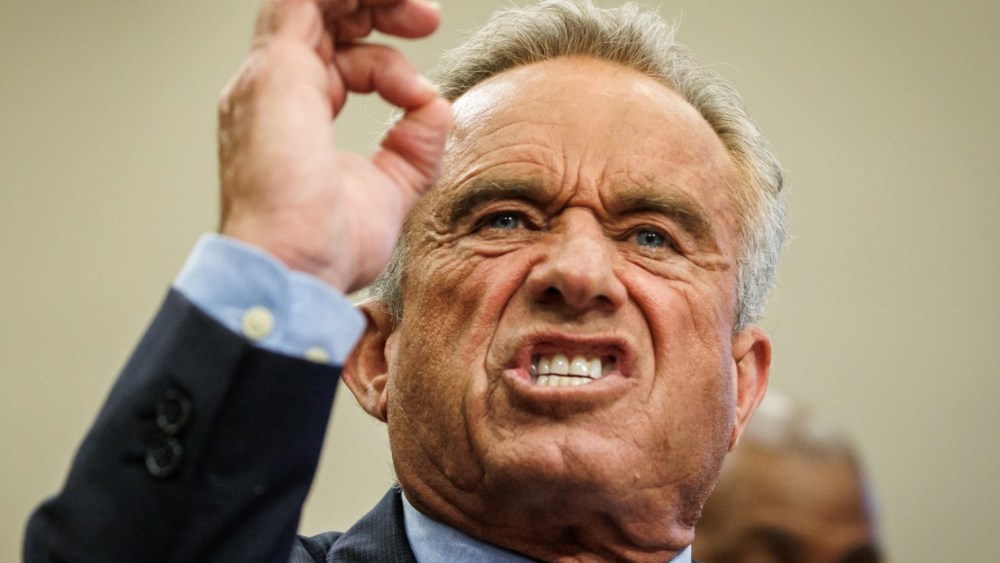
Say what you will about him, but President Donald Trump is a man who expects results. This includes carrying out his most outlandish demands, even when they clash with common sense of both the regular and political varieties. Health and Human Services Secretary Robert F. Kennedy Jr. is apparently learning this lesson the hard way. According to The Wall Street Journal, citing “people familiar with the matter,” Kennedy is facing his boss’ ire for not “doing more to probe the alleged connection between vaccines and autism.”
It’s a surprising accusation, given the centrality of vaccine skepticism to Kennedy’s political brand and the Make America Healthy Again movement he is spearheading. It also cuts against the advice that the White House itself reportedly delivered earlier this year, to have HHS downplay the focus on vaccines ahead of the midterm elections. But, per the Journal, Trump has his own ideas about what Kennedy needs to be focused on:
Chief among the president’s desires: Do more to reduce the number of shots that federal guidelines recommend for children, according to people familiar with the matter. They said the president hopes to then see autism rates drop, even if any such effect could take years.
The issue has been an ongoing point of tension between the two men. In a mid-June meeting in the Oval Office, the president vented to Kennedy that he wasn’t doing enough, people familiar with the matter said.
The president has made clear he thinks he has given Kennedy enough time and is disappointed the health secretary hasn’t accomplished more in the past year and a half, the people said.
While the White House and